
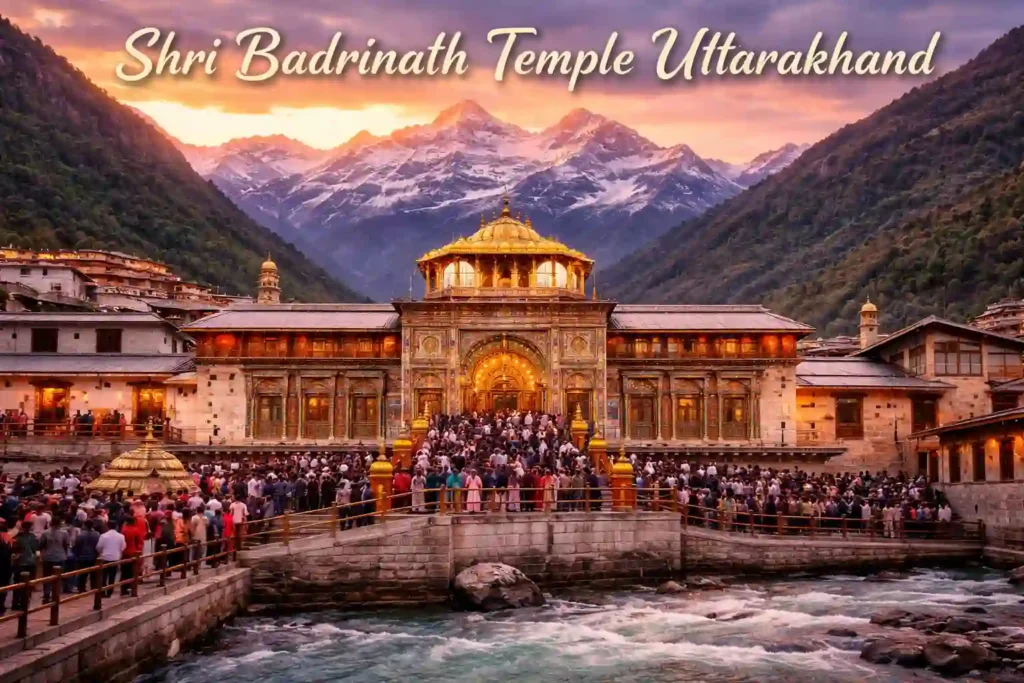
Shri Badrinath Temple Uttarakhand is one of the most sacred pilgrimage sites in India and holds immense importance in Hinduism. Located in the majestic Himalayas, this temple is dedicated to Lord Vishnu, worshipped here as Badrinarayan. Every year, lakhs of devotees visit the Badrinath Temple to seek blessings and experience spiritual peace in the divine surroundings of Uttarakhand. The temple is also a key part of the Char Dham Yatra, making it one of the most visited religious destinations in India.
The Badrinath Temple is not just a place of worship but a symbol of faith, history, and mythology. From its fascinating history and story linked to Lord Vishnu to its unique darshan timings and aarti rituals, every aspect of this temple attracts devotees and travelers alike. Many people also search for details like where is Badrinath Temple located, how to reach Badrinath Temple, and best time to visit Badrinath Temple, which makes having a complete travel guide essential.
In this detailed guide, you will discover everything about Badrinath Temple Uttarakhand, including its history, inside view, timings, weather, hotels near the temple, and travel tips. Whether you are planning a pilgrimage or just exploring its spiritual significance, this guide will help you plan your journey easily and effectively.
About Shri Badrinath Temple Uttarakhand
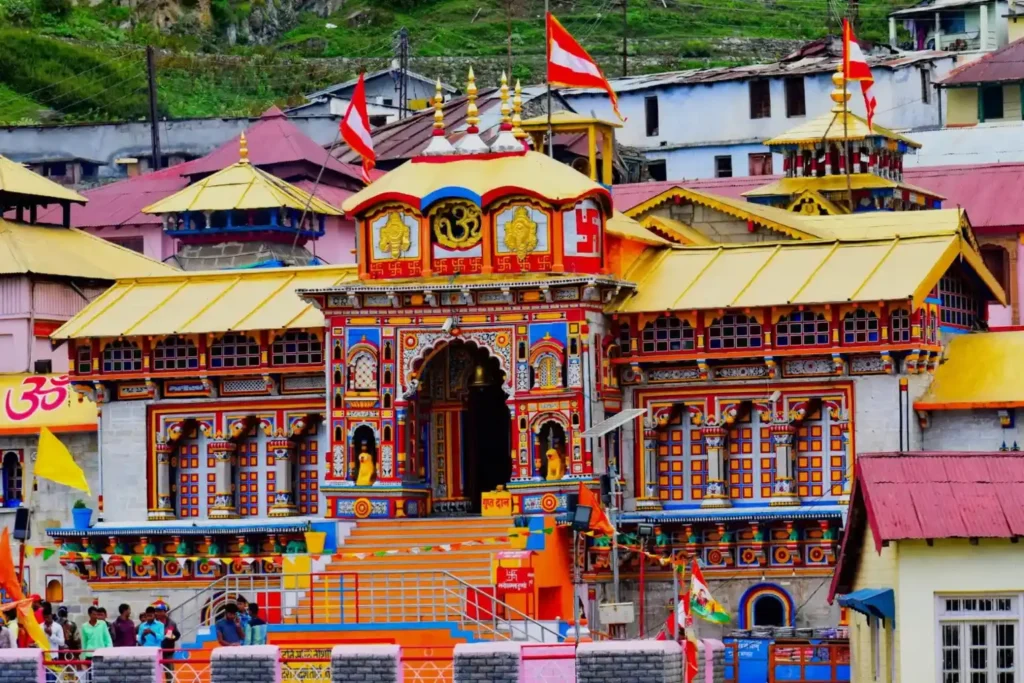
Shri Badrinath Temple Uttarakhand is one of the most revered pilgrimage destinations in India, nestled in the Chamoli district along the banks of the sacred Alaknanda River. Known as one of the four sites of the Char Dham Yatra, the Badrinath Temple attracts millions of devotees every year who come to seek blessings from Lord Vishnu. The temple’s stunning location in the Garhwal Himalayas, surrounded by snow-covered peaks, makes it not only a spiritual hub but also a breathtaking travel destination for nature lovers.
When people ask “where is Badrinath Temple located?”, the answer lies in its unique placement at an altitude of around 3,300 meters above sea level in Uttarakhand. This high-altitude location gives the temple a serene and divine atmosphere, making it ideal for meditation and spiritual connection. The temple remains open only for about six months due to extreme weather conditions, which adds to its exclusivity and importance among devotees planning their visit carefully.
The Badrinath Temple is dedicated to Lord Vishnu, worshipped here as Badrinarayan, which answers the common query “Badrinath Temple which god?”. The black stone idol of Lord Vishnu in a meditative posture is believed to be self-manifested and holds deep religious significance. This sacred shrine is not just about rituals but represents devotion, salvation (moksha), and centuries-old spiritual traditions that continue to inspire millions across the world.
Badrinath Temple History & Story
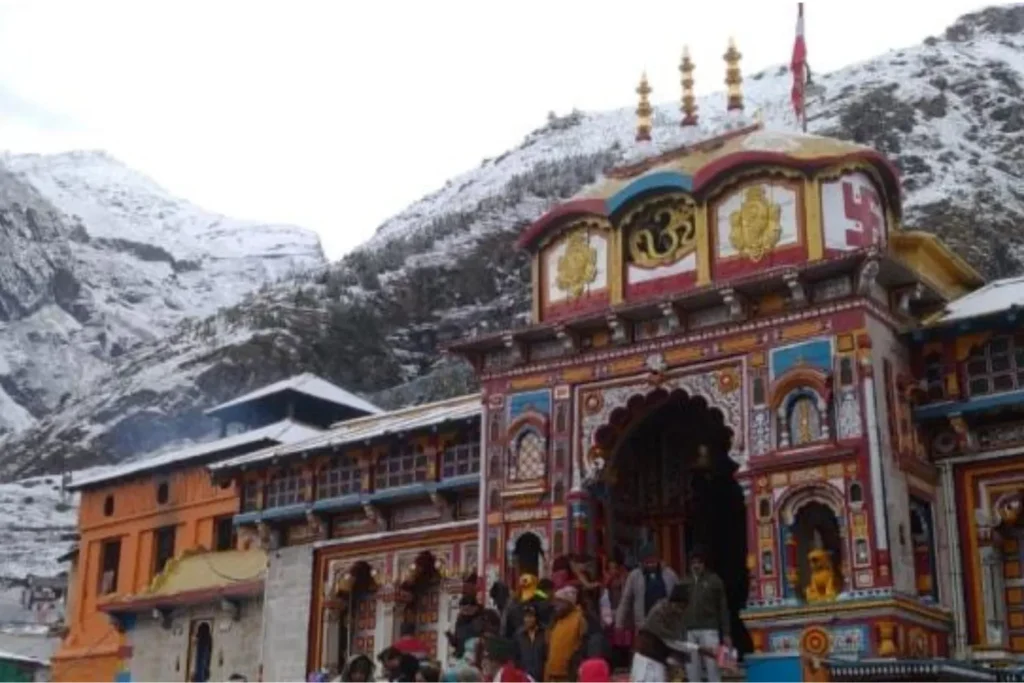
The Badrinath Temple history dates back thousands of years and is deeply rooted in ancient Hindu scriptures and traditions. According to historical records, the temple was re-established by the great philosopher Adi Shankaracharya in the 8th century, who played a key role in reviving Hindu pilgrimage sites across India. It is believed that he discovered the idol of Lord Vishnu in the Alaknanda River and installed it in the temple, making Shri Badrinath Temple Uttarakhand one of the most important spiritual centers in India. Over the centuries, the temple has been renovated multiple times due to natural calamities, yet its spiritual essence and importance have remained unchanged.
The story of Badrinath Temple is equally fascinating and filled with divine significance. According to mythology, Lord Vishnu once meditated at this location for thousands of years, completely absorbed in deep penance. During this time, Goddess Lakshmi took the form of a Badri tree (berry tree) to protect him from harsh weather conditions, which is how the place got its name “Badrinath.” This divine story answers many queries like “badrinath temple story” and highlights the strong connection between devotion, sacrifice, and protection in Hindu beliefs.
Another important aspect people search for is the Badrinath Temple god name, which is Lord Vishnu, worshipped here as Badrinarayan. The temple is considered a gateway to moksha (salvation), and devotees believe that visiting this sacred site washes away sins and brings spiritual liberation. The rich combination of history, mythology, and faith makes the Badrinath Temple not just a religious site but a powerful symbol of devotion and divine energy.
Badrinath Temple Inside & Shivling Details
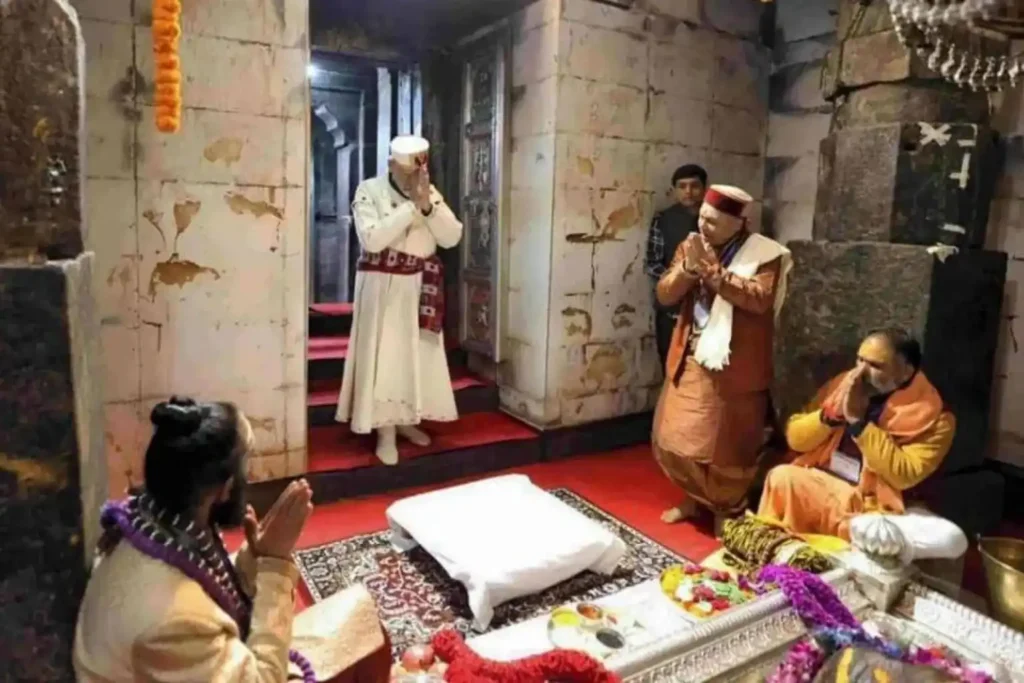
The Badrinath Temple inside view offers a deeply spiritual experience that leaves every devotee mesmerized. As you enter the temple, you reach the Garbhagriha (sanctum sanctorum), where the main idol of Lord Vishnu, known as Badrinarayan, is placed. The idol is made of black stone and is about one meter tall, depicted in a meditative posture. This unique form of Lord Vishnu is one of the main reasons why the Badrinath Temple Uttarakhand stands out among other Vishnu temples in India. The temple interior is beautifully decorated with gold-plated structures, sacred lamps, and traditional Garhwali architecture, creating a divine and peaceful atmosphere.
Many visitors search for “Badrinath Temple inside” details to understand what makes it so special. Apart from the main deity, the temple also houses idols of other gods like Kubera, Narad, Uddhava, and Goddess Lakshmi, each adding to the spiritual importance of the temple. The darshan experience is well-organized, and devotees can feel a strong sense of devotion and calmness while offering prayers inside the temple.
Regarding the keyword “Badrinath Temple Shivling”, it is important to note that this temple is primarily dedicated to Lord Vishnu, not Lord Shiva. However, nearby areas in the region do have Shiva temples, which sometimes creates confusion among devotees. Overall, the temple’s inner structure, divine idol, and sacred energy make it one of the most spiritually enriching experiences in India.
Badrinath Temple Timings & Aarti Schedule
Understanding the Badrinath Temple timings is very important for planning a smooth and peaceful darshan. The temple follows a fixed daily schedule, but it is open only for about six months in a year due to extreme weather conditions in the Himalayas. The opening time of Badrinath Temple usually falls between April end to early May (Akshaya Tritiya), and it closes around October or November (Bhai Dooj). This seasonal opening makes it essential for devotees to plan their यात्रा in advance.
The daily darshan timings generally start early in the morning around 4:30 AM with special rituals and continue until 1:00 PM, after which the temple closes for a few hours. It reopens in the evening around 4:00 PM and remains open until 9:00 PM. These timings can slightly vary depending on weather and temple management decisions, so it is always recommended to check the latest updates before visiting. Devotees searching for “Badrinath Temple timings today” should verify locally during peak seasons.
The Badrinath Temple aarti timings are one of the most spiritually uplifting experiences. Important rituals include:
- Maha Abhishek (Morning Puja) – starts early morning
- Geet Govind & Evening Aarti – performed in the evening
- Shayan Aarti (Night Ritual) – before temple closes
Attending these aartis allows devotees to feel a deeper connection with Lord Vishnu. For the best experience, visiting early morning or late evening helps avoid heavy crowds and ensures a peaceful darshan.
Badrinath Temple Weather & Temperature
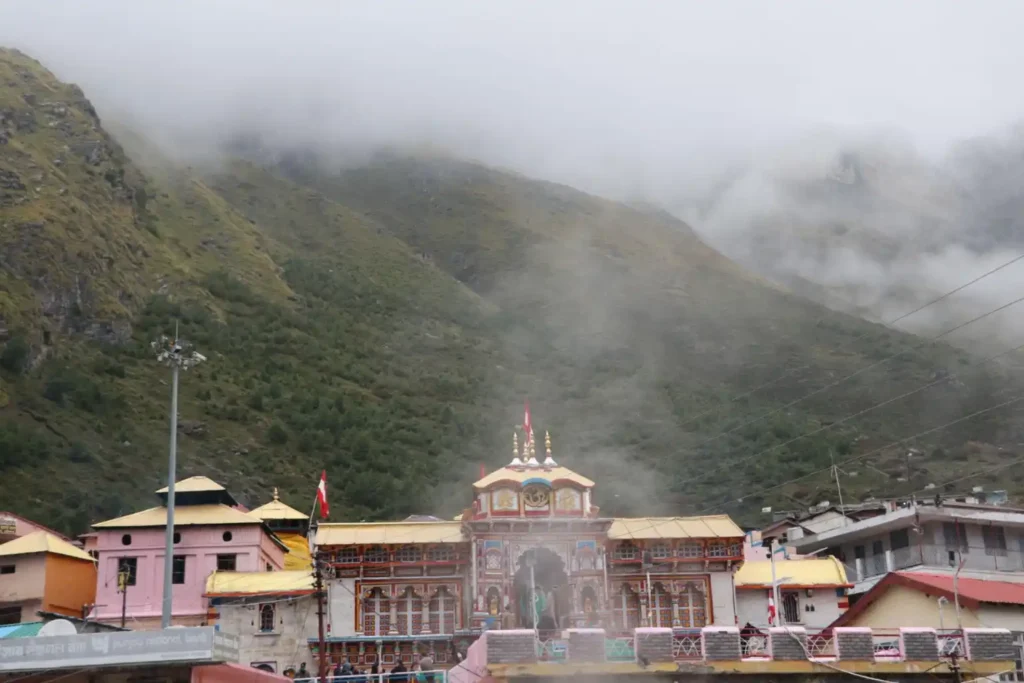
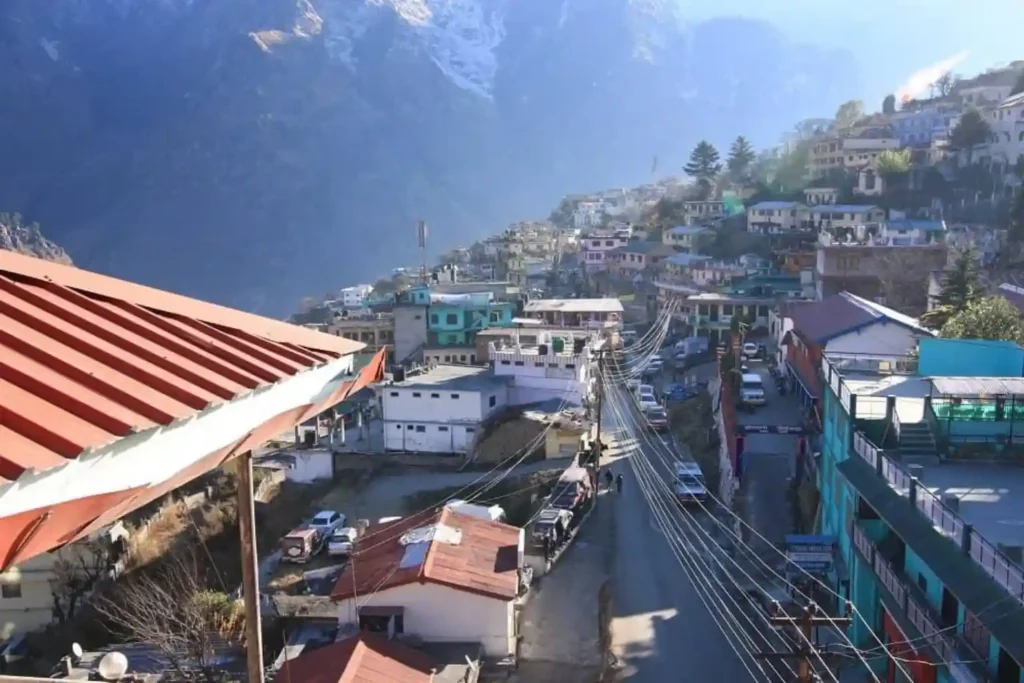
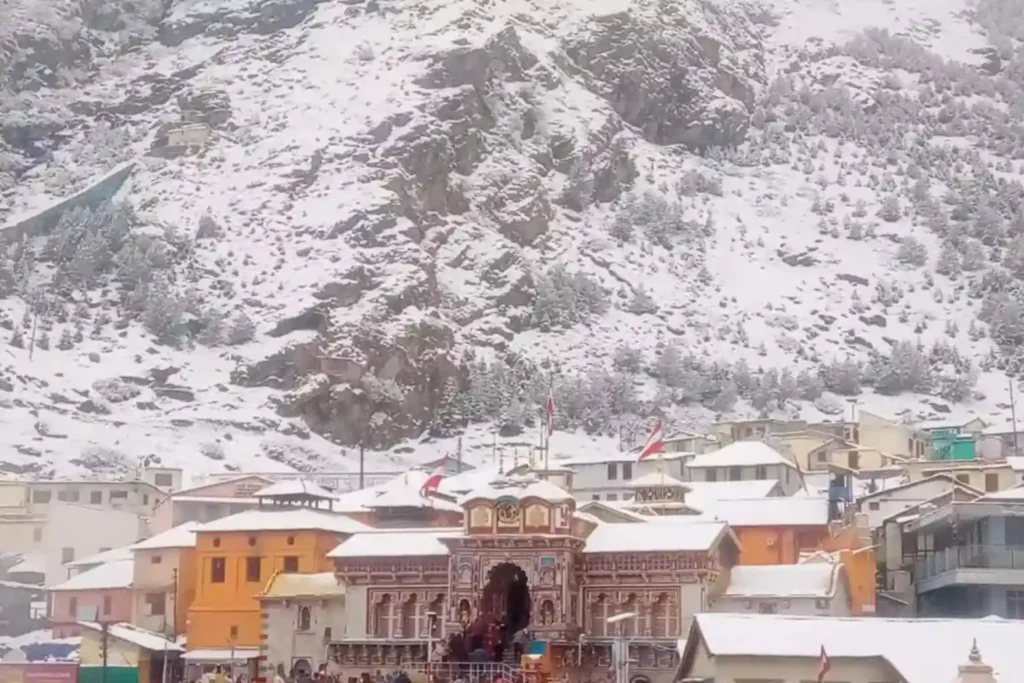
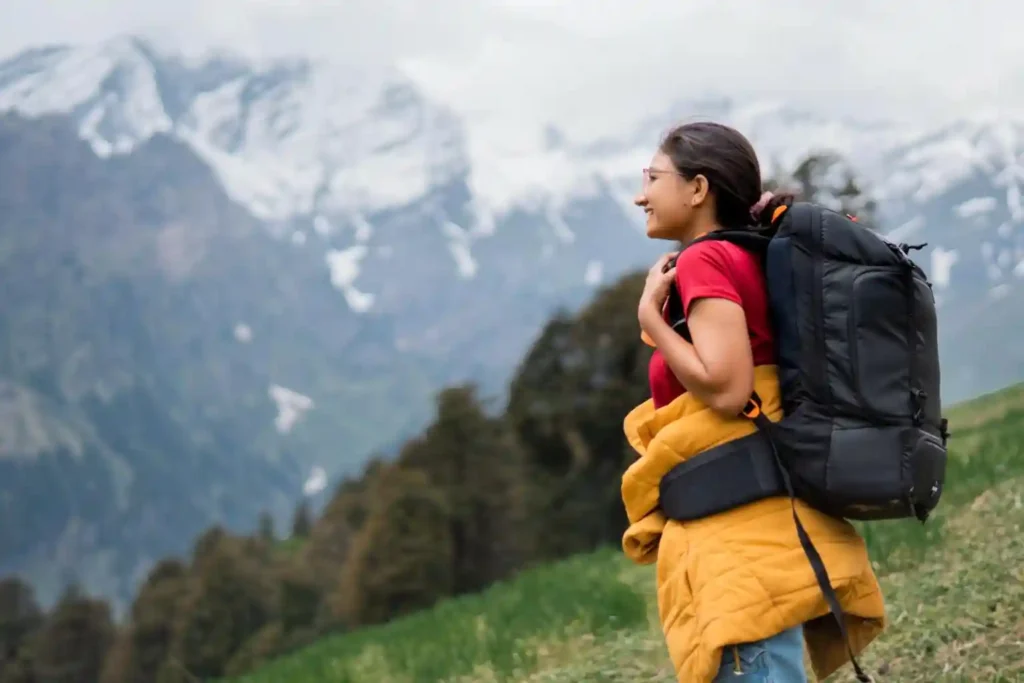
The Badrinath Temple weather plays a crucial role in planning your यात्रा, as the temple is located in a high-altitude Himalayan region at around 3,300 meters. Due to this, the Badrinath Temple temperature remains cold throughout the year, even during summer months. Understanding seasonal variations helps devotees choose the best time to visit Badrinath Temple and prepare accordingly for a safe and comfortable journey.
During summer (May to June), the weather is relatively pleasant, making it the most popular time for pilgrimage. The temperature ranges between 7°C to 18°C, which is ideal for darshan and travel. In monsoon (July to September), the region experiences moderate to heavy rainfall, and there is a risk of landslides, so travel during this period should be planned cautiously. However, the surroundings look lush and beautiful during this time.
In winter (October to April), the temperature drops drastically, often going below 0°C, and the temple remains closed due to heavy snowfall. This is why most travelers prefer visiting between May–June and September–October, which are considered the safest and most comfortable months.
Month-wise Badrinath Temperature Overview
| Month | Temperature | Travel Advice |
| May–June | 7°C – 18°C | Best time to visit |
| July–Aug | 10°C – 15°C | Risk of बारिश |
| Sept–Oct | 5°C – 12°C | Good & less crowded |
| Nov–April | Below 0°C | Temple closed |
To enjoy your trip fully, always carry warm clothes, rain gear, and proper footwear. Weather conditions can change quickly in the mountains, so being prepared is key for a smooth and safe Badrinath Temple यात्रा.
Badrinath Temple Distance & Location Guide
Understanding the Badrinath Temple distance and location is essential for planning your यात्रा smoothly. If you are wondering “where is Badrinath Temple located?”, it is situated in the Chamoli district of Uttarakhand, on the banks of the Alaknanda River in the Garhwal Himalayas. The temple lies at an altitude of approximately 3,300 meters, making it one of the highest and most sacred pilgrimage sites in India. Its remote yet scenic location attracts both spiritual seekers and travel enthusiasts.
The distance to Badrinath Temple from major cities is quite significant due to its mountainous terrain. From Delhi, the distance is around 530 km, while from Haridwar it is approximately 320 km, and from Rishikesh about 295 km. The journey is long but filled with breathtaking views of rivers, valleys, and Himalayan peaks. Travelers often plan overnight stays at places like Joshimath to make the यात्रा more comfortable.
One of the most searched queries is “Kedarnath Temple to Badrinath Temple distance”, especially for Char Dham pilgrims. The distance between the two temples is roughly 220–230 km by road, and it usually takes around 8–10 hours depending on weather and traffic conditions. Although the route is challenging, it is well-connected and offers a spiritually enriching experience.
Overall, knowing the exact location, route, and distance helps travelers plan better, avoid delays, and enjoy a hassle-free pilgrimage to Shri Badrinath Temple Uttarakhand.
How to Reach Badrinath Temple
Reaching Shri Badrinath Temple Uttarakhand requires proper planning, as the temple is located in a remote Himalayan region. If you are searching for “how to reach Badrinath Temple”, there are multiple travel options including road, rail, and air. However, the final stretch of the journey must be completed by road, as there is no direct train or airport connectivity to the temple.
By Road (Most Common Route)
The Badrinath Temple is well connected by motorable roads from major cities like Rishikesh, Haridwar, and Dehradun. Regular buses and taxis are available from these locations. The route usually follows:
Rishikesh → Devprayag → Rudraprayag → Joshimath → Badrinath
This scenic journey offers breathtaking views of rivers and mountains but can take 10–12 hours, so planning rest stops is important.
By Train
The nearest railway station is Haridwar Railway Station, located about 320 km from Badrinath Temple. From here, you can hire a taxi or take a bus to reach Badrinath. Many devotees prefer this route as it is economical and well-connected to major Indian cities.
By Air
The nearest airport is Jolly Grant Airport, Dehradun, approximately 310 km away. From the airport, taxis and buses are available to reach Badrinath. Helicopter services are also available during Char Dham Yatra season for faster travel.
Travel Tips
- Start early to avoid mountain traffic
- Check weather and road conditions
- Carry essentials like medicines and warm clothes
With proper planning, your journey to Badrinath Temple Uttarakhand can be safe, comfortable, and spiritually fulfilling.
Hotels Near Badrinath Temple
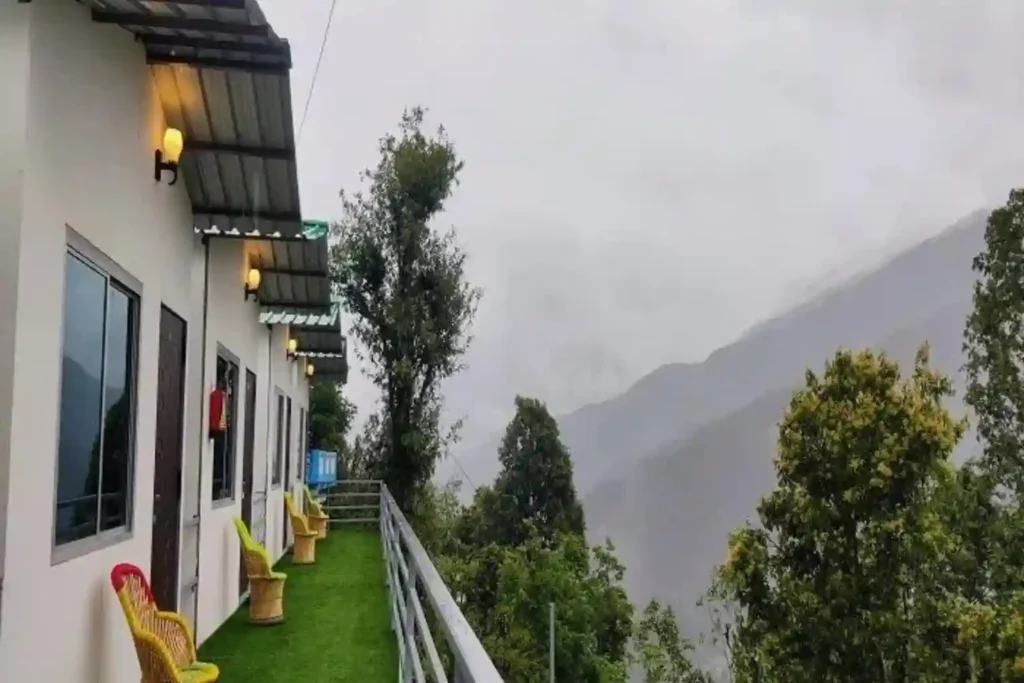
Finding the right accommodation is important when planning your stay near Shri Badrinath Temple Uttarakhand. Since the temple is located in a remote Himalayan region, the availability of hotels is limited but sufficient during the pilgrimage season. Many travelers search for “hotels near Badrinath Temple” or “hotels in Badrinath near temple”, and the good news is that there are options available for every budget, from basic lodges to comfortable guest houses.
🛏️ Budget Hotels in Badrinath Near Temple
For pilgrims looking for affordable stays, there are several budget hotels and dharamshalas within walking distance of the temple. These accommodations provide basic facilities like clean rooms, hot water (limited), and simple भोजन. They are ideal for short stays and budget यात्राएं.
🏨 Mid-Range & Government Stays
Options like GMVN (Garhwal Mandal Vikas Nigam) guest houses are popular among travelers. They offer decent amenities, better hygiene, and reliable service. These are perfect for families who want comfort without spending too much.
🌄 Stay Options in Joshimath
If you prefer better facilities, you can stay in Joshimath, located about 45 km from Badrinath Temple. It offers more hotels, including premium options, restaurants, and better connectivity.
📌 Booking Tips
- Book in advance during peak season (May–June)
- Carry cash as online payments may not work everywhere
- Choose hotels close to the temple for easy darshan
Overall, whether you choose a budget stay or a comfortable hotel, planning ahead ensures a smooth and peaceful visit to Badrinath Temple Uttarakhand.
Important Travel Tips for Badrinath Temple
Planning a successful trip to Shri Badrinath Temple Uttarakhand requires more than just knowing the route and timings. Due to its high-altitude location and unpredictable weather, proper preparation is essential for a safe and comfortable journey. Many travelers searching for “Badrinath Temple travel tips” often overlook small but important details that can make a big difference in their overall experience.
One of the most important tips is to carry warm clothing, even during summer, as the Badrinath Temple temperature can drop suddenly, especially in the early morning and evening. Along with this, keep essential items like medicines, power banks, identity proof, and some cash, as network connectivity and digital payments may not always work in remote areas. It is also advisable to stay hydrated and avoid overexertion, as the high altitude can affect breathing, especially for elderly यात्रियों.
For a smooth darshan, try to visit early in the morning or during late evening aarti, as these times are less crowded compared to peak hours. If you are traveling during monsoon, always check road conditions due to possible landslides. Booking hotels in advance and planning your itinerary with buffer time can help avoid last-minute stress.
By following these simple yet effective tips, your visit to Badrinath Temple Uttarakhand can become a peaceful, safe, and spiritually enriching experience.
Quick Facts About Badrinath Temple
Before visiting Shri Badrinath Temple Uttarakhand, it is helpful to quickly understand some key facts that give a complete overview of this sacred destination. Many users search for “about Badrinath Temple” or “Badrinath Temple information”, and this section provides all the essential details in a simple and easy-to-understand format. These facts not only help in planning your यात्रा but also improve your knowledge about the temple’s religious and geographical importance.
The Badrinath Temple is dedicated to Lord Vishnu, worshipped as Badrinarayan, and is one of the most important pilgrimage sites in India. It is located in the state of Uttarakhand, answering the common query “Badrinath Temple is in which state?”. The temple stands at a height of approximately 3,300 meters, making it one of the highest temples in the country. Due to extreme weather, it remains open only from May to November, and during winter, the idol is shifted to Joshimath for पूजा.
📌 Important Details Table
Detail | Information |
Temple Name | Shri Badrinath Temple |
Location | Chamoli, Uttarakhand |
God Name | Lord Vishnu (Badrinarayan) |
Height | ~3,300 meters |
River | Alaknanda |
Opening Months | May to November |
Temple Type | Char Dham Pilgrimage |
These quick facts make it easier for travelers to understand the importance, location, and structure of the temple at a glance. Having this information handy ensures better planning and a more meaningful visit to Badrinath Temple Uttarakhand.
People Also Ask (FAQs – Featured Snippets)
Where is Badrinath Temple located?
Badrinath Temple is located in the Chamoli district of Uttarakhand, India, along the banks of the Alaknanda River. It sits at an altitude of around 3,300 meters in the Garhwal Himalayas and is one of the four sacred Char Dham pilgrimage sites.
What are Badrinath Temple timings?
Badrinath Temple generally opens at around 4:30 AM and closes by 9:00 PM, with a break in the afternoon. The temple remains open only from April/May to October/November, depending on weather conditions and Hindu calendar dates.
Who is the god of Badrinath Temple?
The main deity of Badrinath Temple is Lord Vishnu, worshipped as Badrinarayan. The idol is in a meditative posture, symbolizing peace and spiritual wisdom, and is considered highly sacred among devotees visiting the temple.
What is the story of Badrinath Temple?
According to mythology, Lord Vishnu meditated here for thousands of years, and Goddess Lakshmi protected him by taking the form of a Badri tree. This divine story is the origin of the temple’s name “Badrinath.”
What is the best time to visit Badrinath Temple?
The best time to visit Badrinath Temple is between May to June and September to October. During these months, the weather is pleasant, roads are safer, and darshan is more comfortable compared to monsoon or extreme cold conditions.
Conclusion
Shri Badrinath Temple Uttarakhand is not just a religious destination but a complete spiritual journey that connects devotees with divine energy, nature, and inner peace. From its ancient history and mythological story to its sacred darshan timings and aarti rituals, every aspect of the Badrinath Temple reflects deep-rooted faith and tradition. Located in the serene Himalayas, the temple offers a unique blend of spirituality and natural beauty that makes it one of the most visited pilgrimage sites in India.
If you are planning your visit, understanding details like where is Badrinath Temple located, how to reach Badrinath Temple, weather conditions, and hotels near Badrinath Temple can help you avoid common travel issues. Choosing the best time to visit Badrinath Temple, usually between May–June and September–October, ensures a comfortable and peaceful darshan experience. Proper planning, early bookings, and following travel tips can make your journey smooth and memorable.
In the end, a visit to Badrinath Temple Uttarakhand is not just about travel—it is about devotion, belief, and seeking blessings from Lord Vishnu. Whether you are visiting for religious purposes or exploring the Himalayas, this sacred place will leave you with unforgettable memories and spiritual fulfillment.