
Maha Mrityunjaya Mantra Jaap Puja In Trimbakeshwar
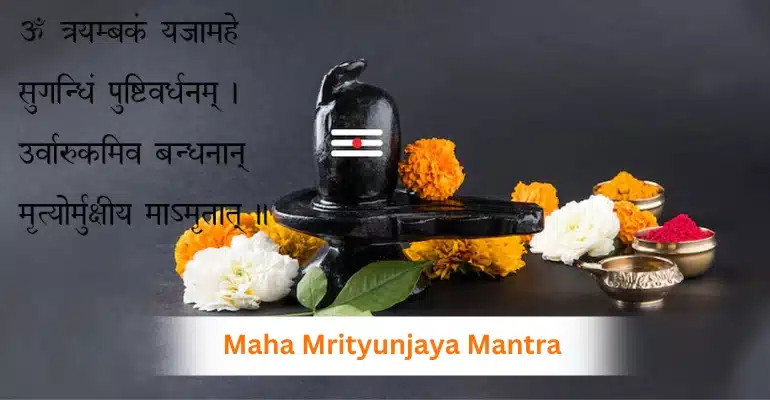
Maha Mrityunjaya Mantra Jaap is a traditional Shiva worship practice dedicated to Lord Shiva. The mantra, also known as the Tryambakam Mantra or Rudra Mantra, is found in the Rigveda and is traditionally recited as a prayer for protection, spiritual strength, well-being and freedom from fear.
Devotees perform Maha Mrityunjaya Jaap for themselves or their family members, particularly when seeking prayers for health, peace, longevity and protection according to Hindu tradition. At Trimbakeshwar, the puja can be performed under the guidance of a Pandit Ji following traditional Vedic rituals.
Book Maha Mrityunjaya JaapWhat Is Maha Mrityunjaya Mantra Jaap?
Maha Mrityunjaya Mantra Jaap involves the repeated chanting of the sacred Shiva mantra along with traditional worship and offerings. The mantra is traditionally associated with Lord Shiva and is recited with devotion and proper pronunciation.
Depending on the type of ceremony, the Jaap may be combined with Shiva Abhishek, Havan and other prescribed rituals. The number of repetitions can vary according to the purpose and type of puja.
Why Is Maha Mrityunjaya Jaap Performed?
According to Hindu tradition, devotees perform this Jaap to pray for:
- ✓ Health and well-being
- ✓ Longevity
- ✓ Protection from fear and difficulties
- ✓ Mental and spiritual strength
- ✓ Peace and positivity
- ✓ Blessings of Lord Shiva
- ✓ Protection from untimely death, as described in traditional beliefs
Why Perform Maha Mrityunjaya Jaap At Trimbakeshwar?
Trimbakeshwar is one of the twelve Jyotirlinga pilgrimage sites dedicated to Lord Shiva. The spiritual importance of the temple and the surrounding pilgrimage area makes Trimbakeshwar a significant destination for devotees who wish to perform Shiva-related rituals. Maha Mrityunjaya Jaap can be performed under the guidance of a Pandit Ji familiar with the traditional procedure.
Maha Mrityunjaya Jaap Vidhi
The exact procedure can vary according to the type of ceremony and the Pandit Ji. A traditional puja may include:
Sankalp
The devotee takes a Sankalp for the purpose of the Jaap and invokes the blessings of Lord Shiva.
Shiva Puja & Abhishek
The Shiva Lingam is worshipped with traditional offerings. Abhishek may be performed using water, milk and other prescribed materials.
Mantra Jaap
The mantra is recited a prescribed number of times using a Rudraksha Mala to keep count.
Havan
For ceremonies including Homam or Havan, offerings are made into the sacred fire while prescribed mantras are recited.
Tarpan & Other Rituals
Depending on the ceremony, Tarpan and other traditional concluding rituals may be performed.
Aarti & Blessings
The puja concludes with Aarti, prayers and blessings from the Pandit Ji.
How Many Times Is The Mantra Chanted?
For larger traditional ceremonies, a higher number of repetitions may be prescribed. The required number should be confirmed with the Pandit Ji according to the type and purpose of the ceremony.
Maha Mrityunjaya Mantra
ॐ त्र्यम्बकं यजामहे सुगन्धिं पुष्टिवर्धनम्।
उर्वारुकमिव बन्धनान् मृत्योर्मुक्षीय मामृतात्॥
The mantra is traditionally understood as a prayer to the three-eyed Lord Shiva, asking for freedom from death and worldly bondage while seeking divine grace and nourishment.
Best Time For Maha Mrityunjaya Jaap
Early morning is traditionally recommended as a suitable time for chanting the mantra. For a booked puja at Trimbakeshwar, the actual ceremony time should be confirmed with the Pandit Ji because it may depend on the selected date, Muhurat and temple arrangements.
Rules & Precautions
Devotees following traditional practices may observe certain rules during the Jaap:
- ✓ Maintain personal cleanliness before the puja
- ✓ Keep your mind focused on Lord Shiva during chanting
- ✓ Use a Rudraksha Mala when counting repetitions
- ✓ Pronounce the mantra clearly and follow the Pandit Ji's instructions
- ✓ Follow any dietary or lifestyle restrictions advised for the ritual
- ✓ Avoid alcohol and other intoxicants during the ritual period
The exact rules can differ according to the tradition and type of ceremony being performed.
Maha Mrityunjaya Puja Cost In Trimbakeshwar
The cost of Maha Mrityunjaya Puja can vary depending on the type of Jaap, Havan materials, puja samagri, number of priests and other arrangements. As there is no fixed price, the current cost and inclusions should be confirmed with the Pandit Ji before booking.
Check Maha Mrityunjaya Puja CostWhat Is Required For The Puja?
The Pandit Ji can guide you regarding the required puja samagri. Depending on the ceremony, traditional materials may include:
- Ganga Jal
- Milk
- Ghee
- Honey
- Sugar
- Bel leaves
- Flowers
- Fruits
- Incense
- Lamps
- Rice
- Sandalwood
- Rudraksha Mala
- Other Havan and puja materials
You should confirm the exact requirements before arriving at Trimbakeshwar.
Book Maha Mrityunjaya Jaap In Trimbakeshwar
If you want to perform Maha Mrityunjaya Mantra Jaap at Trimbakeshwar, you can contact a Pandit Ji to discuss the purpose of the puja, preferred date, number of Jaap repetitions and required arrangements.
Simple Booking Process
Contact Pandit Ji
Share your preferred date and basic details.
Discuss the Puja
Confirm the Jaap, Havan, timing, samagri and other requirements.
Confirm the Booking
Finalize the date and puja arrangements.
Attend the Ceremony
Visit Trimbakeshwar and participate under the Pandit Ji's guidance.
Frequently Asked Questions
What is Maha Mrityunjaya Mantra Jaap?
It is a traditional Shiva worship practice involving repeated chanting of the Maha Mrityunjaya Mantra along with prescribed prayers and rituals.
What is the Maha Mrityunjaya Mantra used for?
According to Hindu tradition, devotees recite the mantra as a prayer for health, longevity, protection, peace and spiritual strength.
How many times should the Maha Mrityunjaya Mantra be chanted?
108 repetitions are commonly used for Jaap. Larger rituals may involve a higher prescribed number of repetitions depending on the purpose and traditional procedure.
Can Maha Mrityunjaya Jaap be performed for someone else?
Yes. Devotees may arrange the Jaap for themselves or family members. The Sankalp and ritual arrangements can be discussed with the Pandit Ji.
What is the best time to chant the Maha Mrityunjaya Mantra?
Early morning is traditionally considered a suitable time for chanting. For a formal puja, the Pandit Ji can confirm the appropriate Muhurat.
How much does Maha Mrityunjaya Puja cost in Trimbakeshwar?
Cost depends on the type of ceremony, Havan, samagri and other arrangements, so confirm the current cost before booking.
Can Maha Mrityunjaya Jaap be performed at Trimbakeshwar?
Yes, devotees can arrange Shiva-related rituals such as Maha Mrityunjaya Jaap in Trimbakeshwar with the guidance of a Pandit Ji.
Plan Your Maha Mrityunjaya Jaap
Before travelling to Trimbakeshwar, confirm the puja date, Muhurat, Jaap count, procedure, cost and required samagri with your Pandit Ji. Perform the ceremony according to traditional practices and seek the blessings of Lord Shiva with devotion.
Book Maha Mrityunjaya Mantra Jaap in Trimbakeshwar