
Narayan Nagbali Puja In Trimbakeshwar
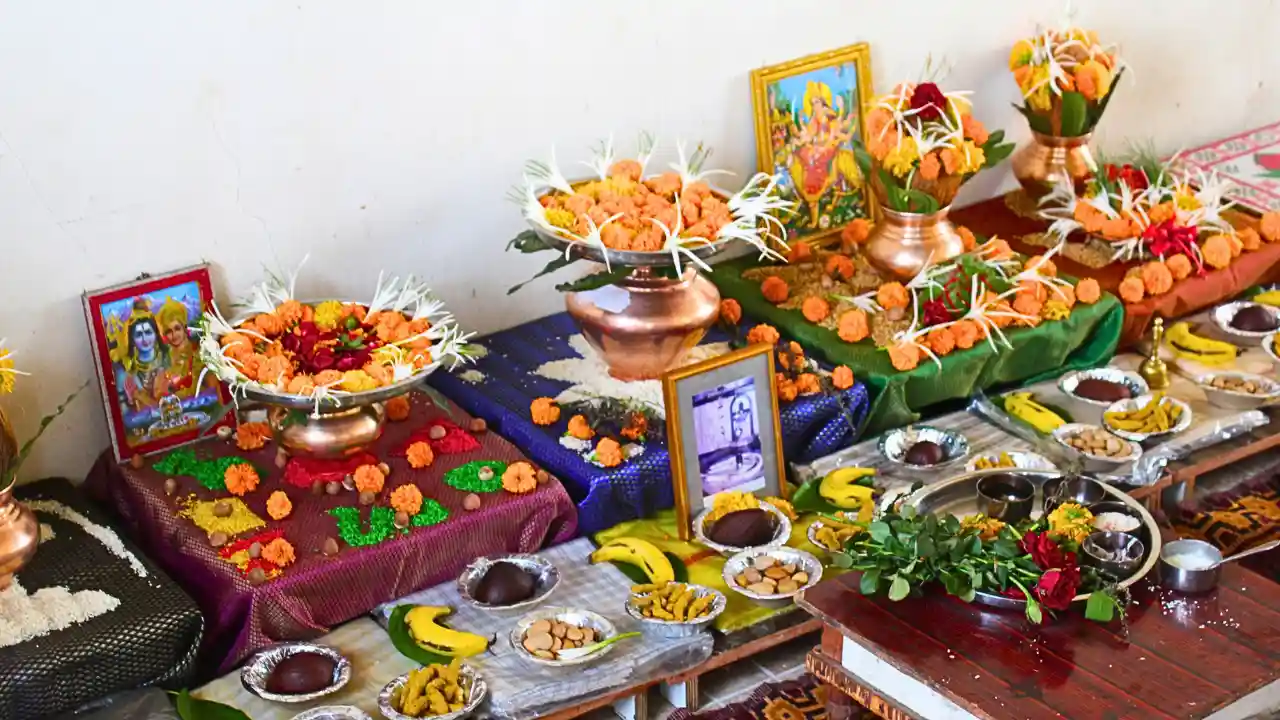
Narayan Nagbali Puja (Pitra Dosh) is a traditional Vedic ritual that takes three days to complete. This ritual includes two types of Puja: Narayan Bali Puja and Nagbali Puja — each serving a different purpose. Narayan Bali is performed to free oneself from unsatisfied souls, while Nagbali Puja is done to remove the sin of killing a cobra or snake.
Both rituals are conducted at Ahilya Godavari Sangam and Sati Maha-Smashan, located near the Trimbakeshwar Temple in Nashik, Maharashtra. The Garuda Purana highlights the importance of this Puja, and it is believed that performing it on the sacred land of Trimbakeshwar has a positive impact on the entire family and future generations.
Book NowWhy Trimbakeshwar Is the Only Place for This Puja
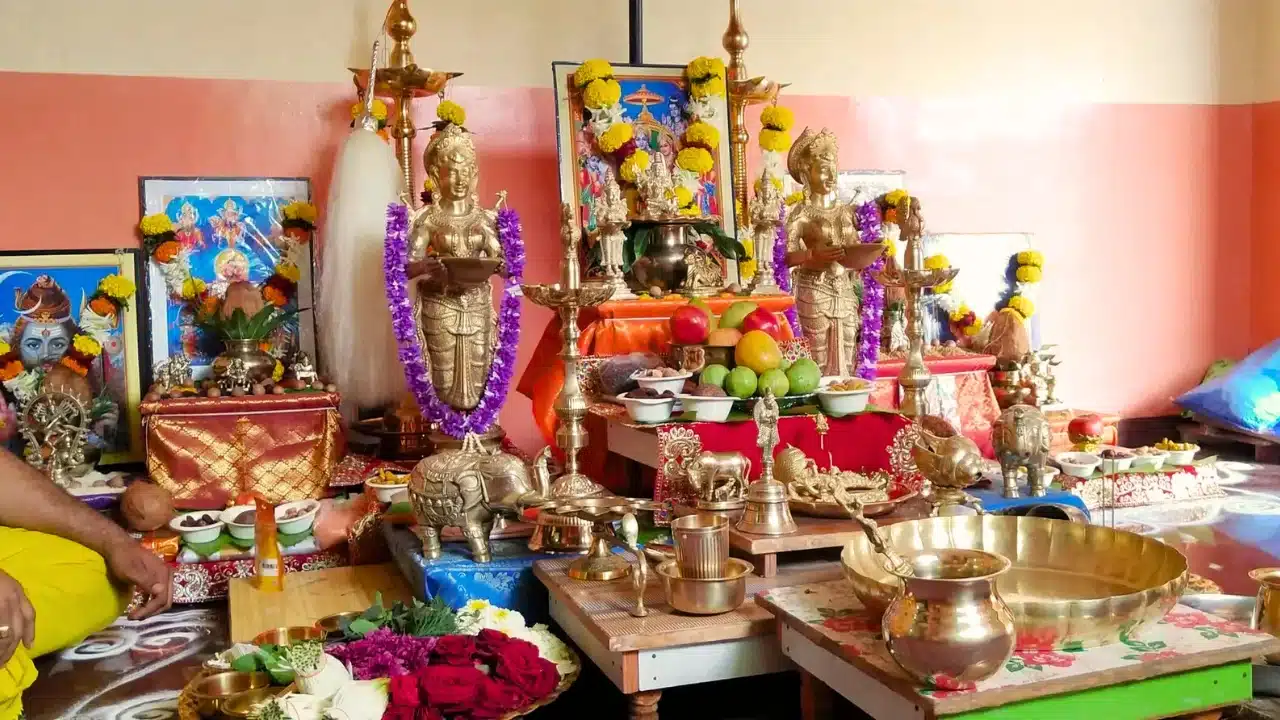
Trimbakeshwar is one of India's twelve Jyotirlingas and is believed to be the origin point of the Godavari River, flowing from the Brahmagiri hills just behind the temple. The ritual is performed by Tamrapatradhari Purohits — priests who are direct descendants of the ancient Brahmins traditionally authorized to conduct this specific puja. While Narayan Bali alone can technically be performed at a few other pilgrimage sites across India, the Nagbali portion is performed exclusively at Trimbakeshwar according to scripture — which is why the combined Narayan Nagbali ritual can only be completed here in its full traditional form.
Types Of Narayan Nagbali
Performed when a family member has passed away due to unnatural causes such as accidents, suicide, or snake bites — or when Shraddha (annual death rituals) haven't been performed for years, leading to Pitru Dosh in the horoscope. Can be performed at a few pilgrimage sites across India, including Trimbakeshwar.
Performed to atone for the sin of killing a snake, especially a cobra, considered sacred in India. Last rites are performed for a symbolic snake body made from wheat flour. Nag Bali Puja is performed exclusively at Trimbakeshwar.
Narayan Bali Puja Mantra
"शस्त्रघातमृताये चा स्पर्शस्पृष्टवा तथैव च तत्तु दुर्मरणम ग्येयम यच्चजातं विधिंविना। अतःतस्य सुतै पौत्रे सपिंडैशुभमिच्छुभिः नारायणबलिं कार्यो लोकगर्धाभिया खग"
Meaning: Narayan Bali Puja is performed when a person dies due to unnatural causes such as firearms, suicide, fatal illness, a difficult life, ghost torment, untimely death (apamrityu), a series of unfortunate events, or curses from parents, spouse, or in-laws. This ritual is a Kaamya karma — done with a specific desire or purpose.
Who Should Perform Narayan Nagbali Puja?
- ✓ An unnatural or untimely death in the family — accident, suicide, drowning, snakebite, or sudden illness
- ✓ Long-pending or never-performed Shraddha, which can lead to Pitru Dosh
- ✓ Recurring, unexplained difficulties in marriage, childbirth, career, or business
- ✓ Persistent financial struggles or educational setbacks with no clear cause
- ✓ Recurring dreams of snakes or deceased ancestors
Narayan Nagbali Puja Dates 2026
Dates are determined by the Nakshatra, with 2–3 auspicious Muhurats each month. Pitru Paksha is considered the best period, especially Pitruda Ekadashi, and the 7th day after Amavasya is also favorable.
| Month | Auspicious Dates |
|---|---|
| January 2026 | 2, 5, 8, 11, 20, 26, 29 |
| February 2026 | 1, 4, 7, 10, 13, 16, 22, 25 |
| March 2026 | 1, 4, 8, 11, 15, 21, 25, 28 |
| April 2026 | 2, 6, 9, 12, 18, 21, 24, 29 |
| May 2026 | 3, 6, 9, 15, 18, 21, 26, 31 |
| June 2026 | 5, 12, 15, 18, 23, 27 |
| July 2026 | 3, 9, 12, 15, 18, 21, 26, 30 |
| August 2026 | 5, 8, 12, 14, 18, 22, 26 |
| September 2026 | 1, 4, 8, 11, 20, 22, (Pitru Paksha: 28) |
| October 2026 | (Pitru Paksha: 1, 5, 8), 26 |
| November 2026 | 1, 4, 13, 16, 22, 26, 29 |
| December 2026 | 4, 8, 13, 20, 23, 26, 29 |
Importance Of Narayan Nagbali Puja
Narayan Bali Puja is performed to fulfill the unfulfilled desires of ancestral souls, who may cause problems for the next generation if their wishes are not satisfied. This Puja helps the soul achieve the highest state of Moksha (liberation) and provides relief to souls of those who have faced unnatural death.
During the ritual, a symbolic body made of wheat flour is created. Through mantras, the priest addresses the soul's desires and helps release it from worldly attachments. Dates are selected based on Nakshatras, with Pitru Paksha and Pitruda Ekadashi being the most auspicious periods.
Narayan Nagbali Puja Vidhi
Day 1
Begins with a holy bath at Kushavarta Kund, followed by traditional attire. Devotees visit the temple, then proceed to Ahilya Godavari Sangam for Sankalpa, Kalash Puja, deity worship, Havan, and Pind Daan — with offerings of rice, sesame, honey, and ghee immersed in water.
Day 2
Includes Sapindh Shradha and worship of Lord Vishnu. Brahmins are invited, pindas are offered along with donations like clothes and gold, and sacred water rituals are performed.
Day 3
Includes Swastipunyahwachan and worship of Lord Ganesha. A symbolic snake deity is worshipped and donated. The Puja concludes with food offerings and blessings for peace and prosperity.
Benefits Of Narayan Nagbali
- ✓ Brings peace, harmony, and positivity in the family
- ✓ Improves health and overall success
- ✓ Supports business growth and career progress
- ✓ Helps couples facing fertility issues
- ✓ Ensures peace and salvation of ancestral souls
- ✓ Removes Pitru Dosh and negative influences
How Much Does Narayan Nagbali Puja Cost at Trimbakeshwar?
| Package Tier | Typical Cost Range | What's Usually Included |
|---|---|---|
| Basic | ₹6,000 – ₹8,000 | Standard samagri, priest dakshina, core 3-day ritual |
| Standard | ₹10,000 – ₹15,000 | Enhanced samagri, additional offerings, more thorough ritual setup |
| Premium | ₹17,000 – ₹25,000 | Full samagri, extended rituals, dedicated ritual assistance throughout |
Frequently Asked Questions
How much does Narayan Nagbali Puja cost at Trimbakeshwar?
Costs typically range from ₹6,000 for a basic package to ₹25,000 for a premium one, depending on samagri and arrangements. Always request a full written breakdown before booking to avoid surprise costs.
How many days does Narayan Nagbali Puja take?
The complete ritual takes 3 days, combining Narayan Bali and Nagbali across Day 1 (Sankalpa and Pind Daan), Day 2 (Sapindh Shradha), and Day 3 (the symbolic Nagbali ritual and concluding blessings).
Can Narayan Nagbali Puja be performed if I can't travel to Trimbakeshwar?
Yes. The pandit can perform the puja on your behalf using your sankalp (ritual intent), which can be given remotely over a phone or video call, with photo or video confirmation available on request.
Why can this puja only be performed at Trimbakeshwar?
While Narayan Bali alone can be performed at a few other tirthas, the Nagbali portion is scripturally restricted to Trimbakeshwar, which is why the complete combined ritual can only be done here.
What is the best time of year to perform this puja?
Pitru Paksha (typically September) and Pitruda Ekadashi are considered the most powerful periods, though 2–3 auspicious muhurats are available most months throughout the year.
Is Narayan Nagbali Puja the same as Pitra Dosh Puja?
They're related but not identical — Narayan Nagbali specifically addresses unnatural death and Nag Dosh together, while Pitra Dosh Puja addresses broader ancestral dosha that may not involve either of those specific factors.