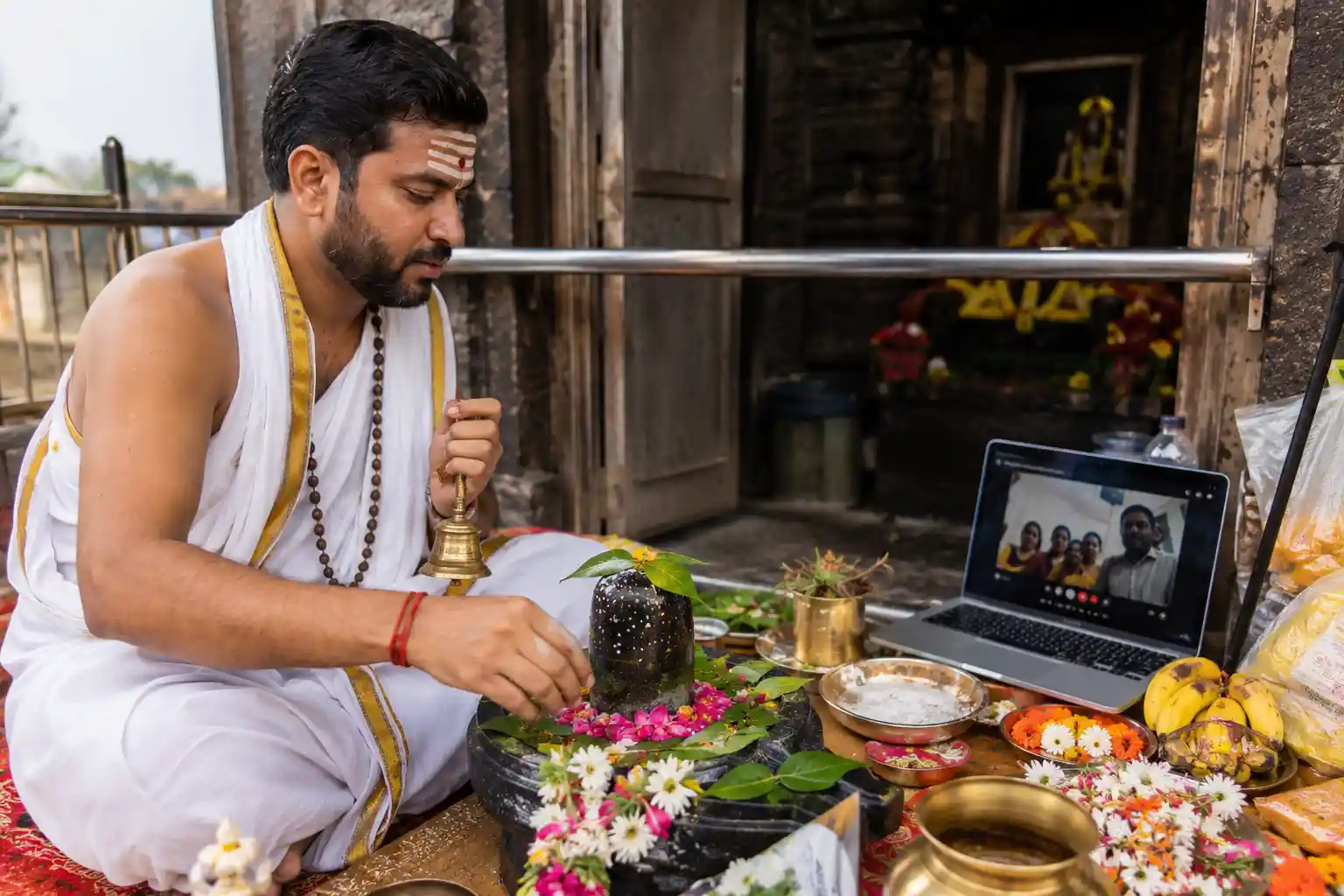
Trimbakeshwar Shiva Temple, Nashik – Online Puja & Pandit Booking
Welcome to Trimbakeshwar Shiva Temple, one of the most revered pilgrimage destinations in Maharashtra and one of the twelve Jyotirlingas dedicated to Lord Shiva. Located in Trimbak, around 28 km from Nashik, the temple is surrounded by the sacred Brahmagiri hills and is closely associated with the origin of the Godavari River.
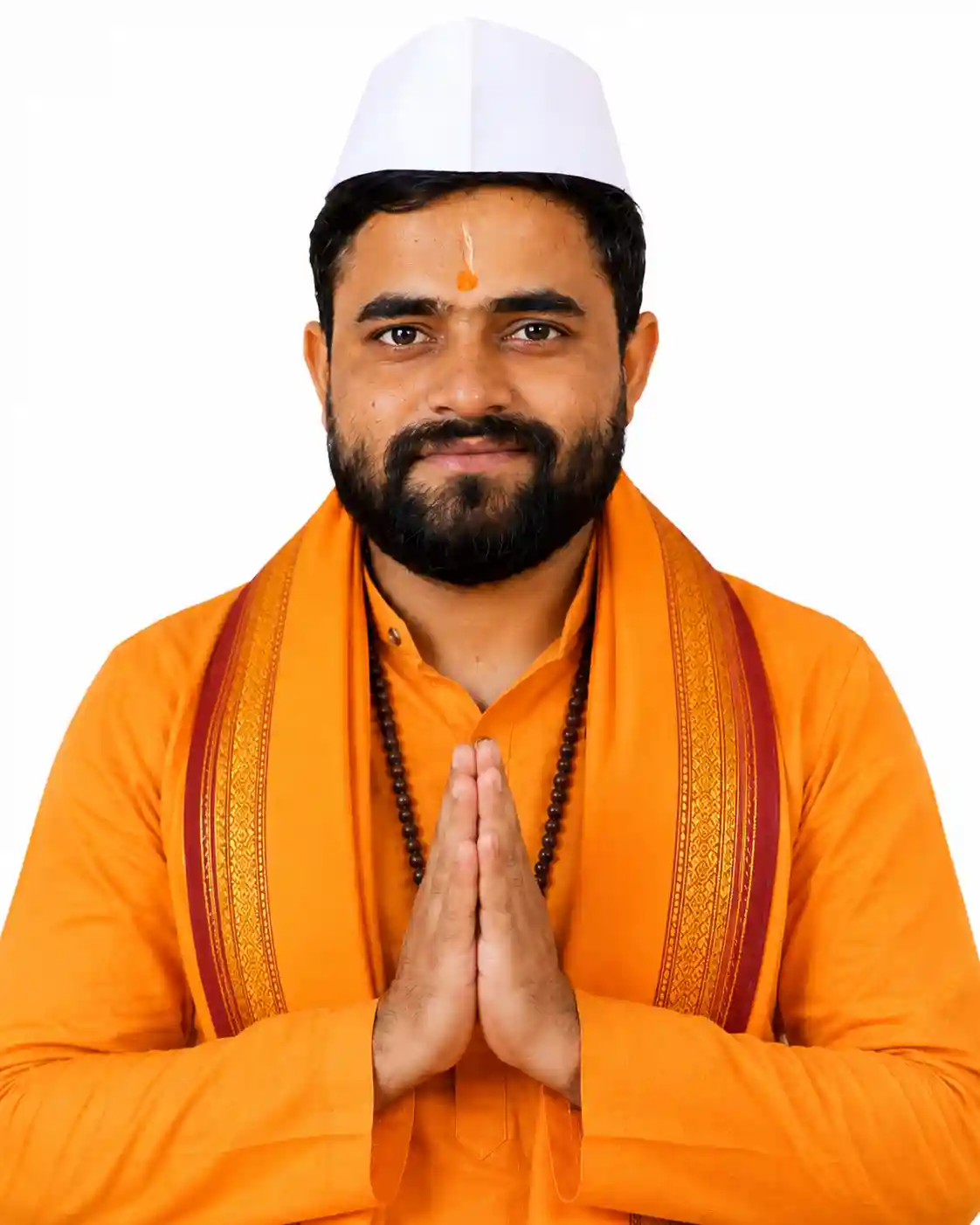
Pandit Chandrashekhar Shastri Ji
Expert Pandit in Trimbakeshwar with 12+ years of experience in authentic Vedic rituals, pujas, and spiritual guidance for devotees from across India.
Location: Trimbakeshwar, Nashik, Maharashtra
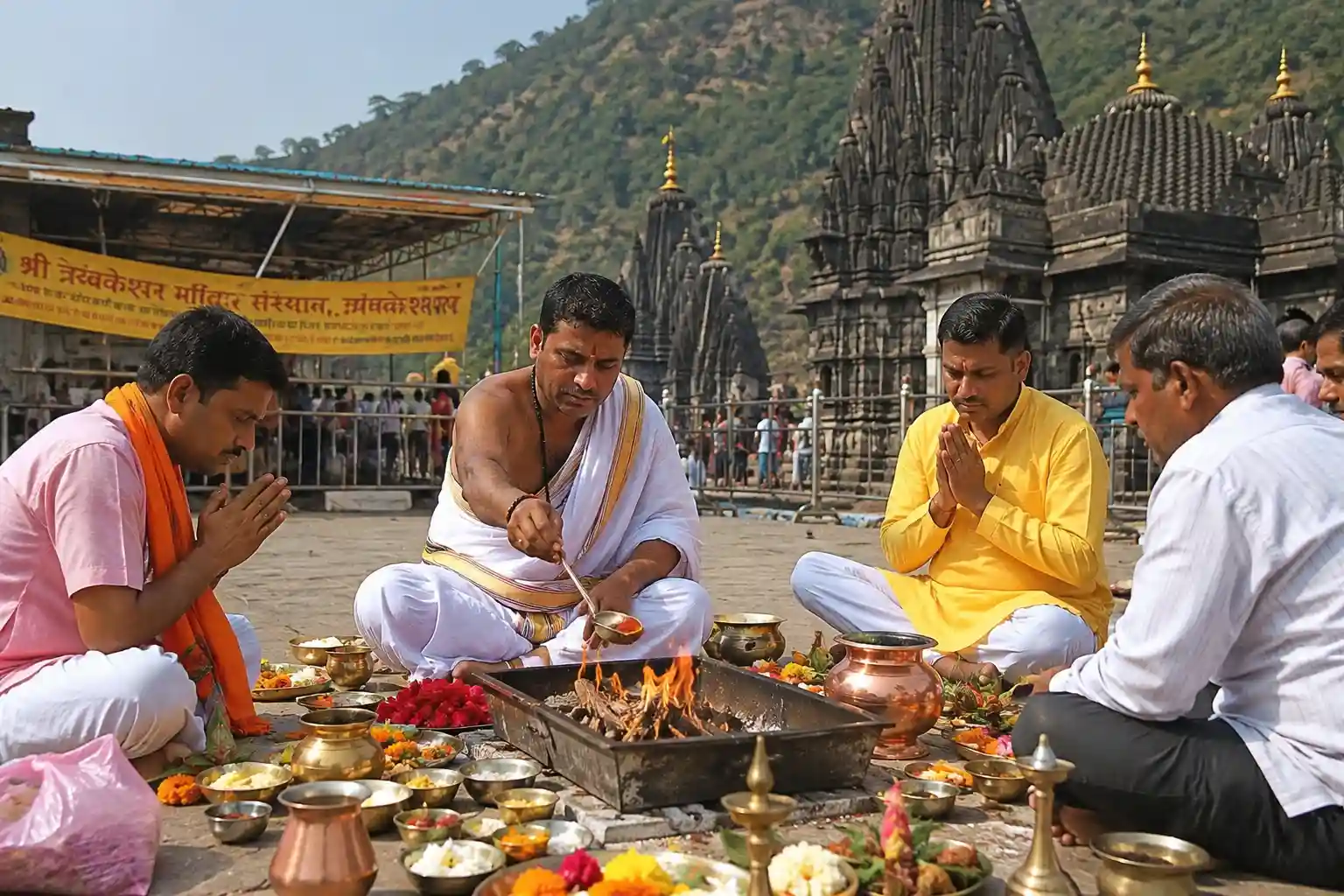
Trimbakeshwar is not only an important Shiva pilgrimage site but also a destination known for traditional Hindu rituals and pujas. Devotees visit for darshan, worship, ancestral rituals and special pujas performed according to traditional practices. If you are planning to perform a puja here and are looking for guidance from a Pandit Ji, you can explore the available puja services below and contact the appropriate priest for your requirements.
Book Puja with Pandit JiAbout Trimbakeshwar Shiva Temple
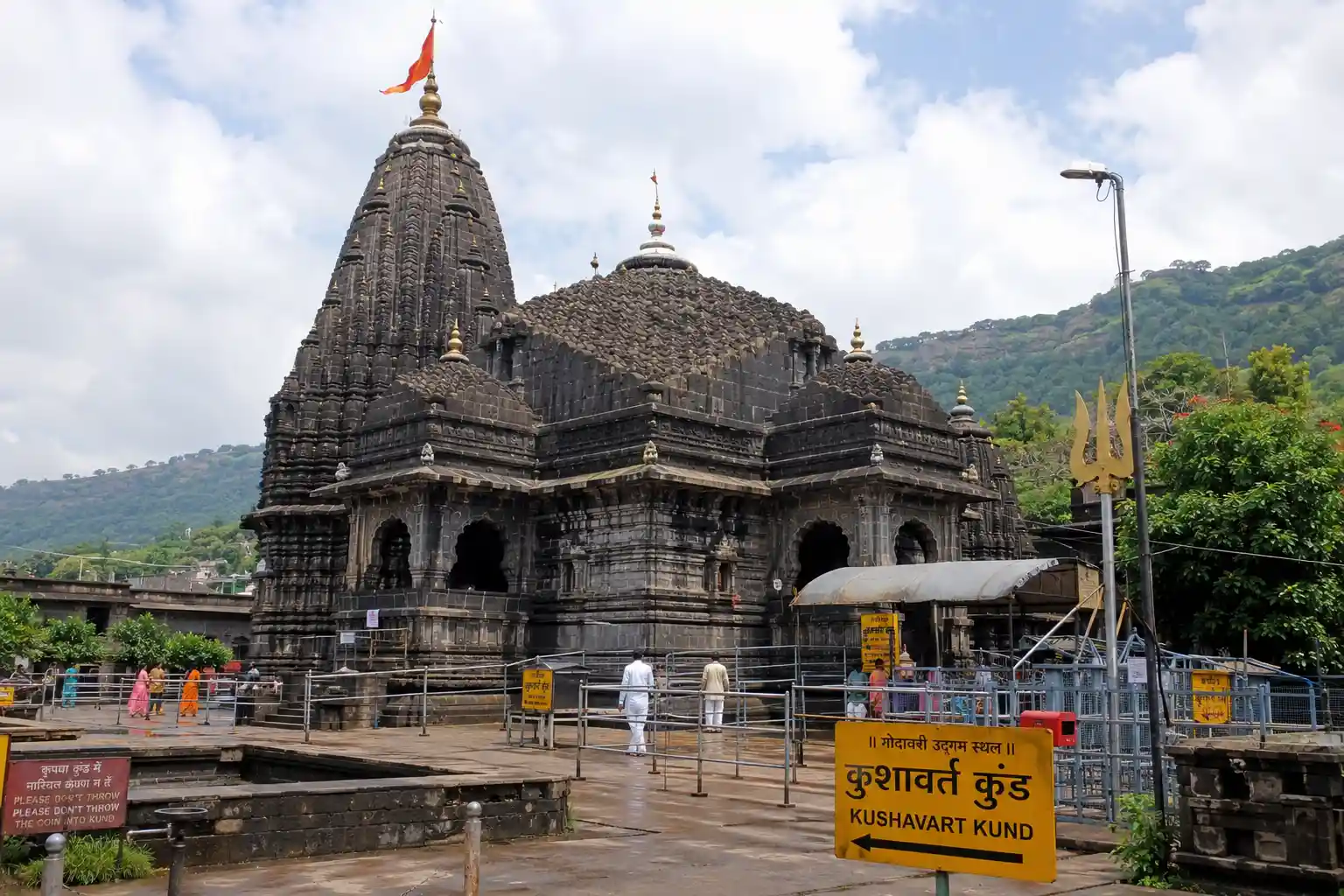
Trimbakeshwar Shiva Temple is located in the town of Trimbak in Nashik district, Maharashtra. The temple stands at the foot of Brahmagiri Mountain and is regarded as one of the twelve Jyotirlingas of Lord Shiva.
The present temple structure is traditionally associated with Shri Nanasaheb, also known as Peshwa Balaji Baji Rao. Built using black stone, the temple features traditional Hindu architectural elements, detailed carvings and a distinctive spiritual atmosphere.
One of the important features associated with Trimbakeshwar is the presence of three representations within the Shiva Linga, traditionally connected with Brahma, Vishnu and Shiva. This association with the Hindu Trinity gives Trimbakeshwar a distinctive place among Shiva temples. The temple complex also includes several other shrines and sacred places that devotees can visit during their pilgrimage.
Why Is Trimbakeshwar Jyotirlinga Important?
Trimbakeshwar is one of the twelve Jyotirlingas associated with Lord Shiva. For devotees, visiting a Jyotirlinga is an important spiritual experience and an opportunity to offer prayers and seek the blessings of Lord Shiva. The temple's location near Brahmagiri Mountain and its connection with the Godavari River add to the religious importance of the region.
Trimbakeshwar is also well known for traditional rituals performed by devotees for different spiritual and ancestral purposes — among the commonly sought-after pujas are Narayan Nagbali, Kaal Sarp Dosh Nivaran, Tripindi Shraddha, Maha Mrityunjaya Mantra Jaap and Rudrabhishek.
Puja Services At Trimbakeshwar
Many devotees visit Trimbakeshwar specifically to perform traditional Hindu pujas under the guidance of a Pandit Ji. The purpose and procedure of each puja are different, so devotees should understand the ritual before making a booking.
Narayan Nagbali Puja
A traditional ritual associated with ancestral rites and specific spiritual concerns, involving prescribed prayers, offerings and rituals performed with the guidance of a priest. It is advisable to discuss the requirements with a knowledgeable Pandit Ji before planning the ceremony.
Learn More About Narayan Nagbali Puja →Kaal Sarp Dosh Nivaran Puja
Associated with a concept in Vedic astrology involving the positioning of the planets in a birth chart. Devotees who believe their horoscope indicates Kaal Sarp Dosh may choose to perform this traditional puja under the guidance of a priest.
Explore Kaal Sarp Dosh Puja in Trimbakeshwar →Tripindi Shraddha
A traditional ancestral ritual performed for departed family members, including prayers and offerings intended to honour ancestors and seek peace for the departed. Confirm the appropriate vidhi and arrangements with the Pandit Ji before the ceremony.
Explore Tripindi Puja in Trimbakeshwar →Maha Mrityunjaya Mantra Jaap
A devotional practice centred on the Maha Mrityunjaya Mantra dedicated to Lord Shiva. Devotees traditionally perform this jaap with prayers for spiritual strength, peace and divine blessings, with arrangements varying by purpose.
Explore Mahamrityunjay Mantra Puja in Trimbakeshwar →Rudrabhishek
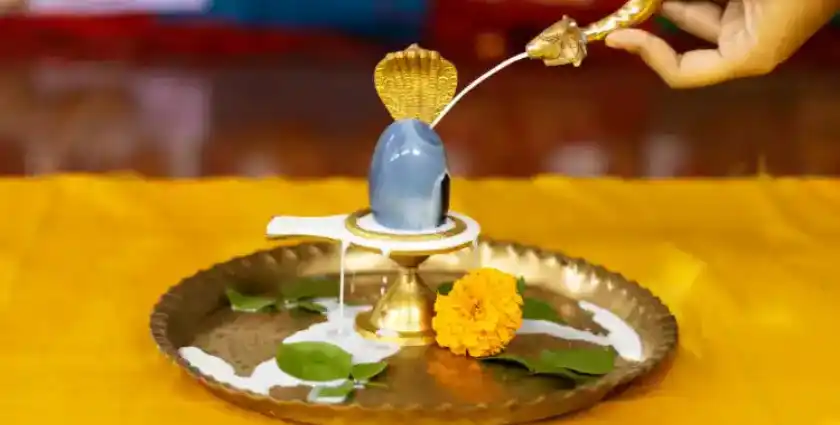
A traditional Shiva puja in which offerings — water, milk, curd, honey, ghee and bilva leaves — are made to the Shiva Lingam while Vedic prayers and mantras are recited, seeking devotion, peace and well-being.
Rudrabishek Puja in Trimbakeshwar →Kumbh Vivah
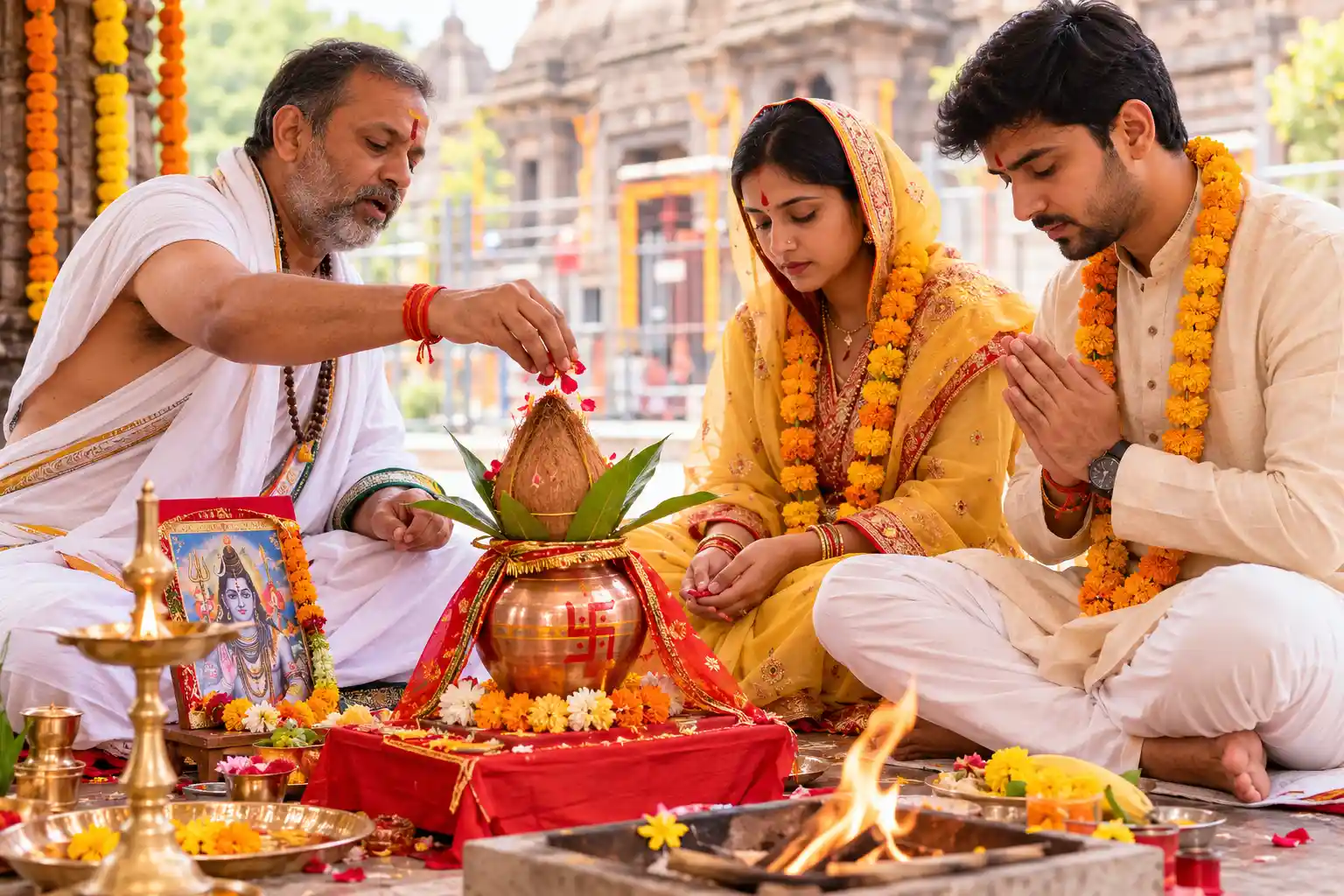
Kumbh Vivah is a traditional Hindu ritual associated with certain marriage-related doshas described in Vedic astrology. It is commonly performed as a symbolic marriage ceremony before a person's marriage to a human partner.
Kumbh Vivah Puja in Trimbakeshwar →Which Puja Should You Perform?
The appropriate puja depends on the devotee's purpose, family traditions, horoscope and spiritual requirements:
- ✓ Narayan Nagbali — associated with specific ancestral and traditional ritual requirements
- ✓ Kaal Sarp Dosh Nivaran — associated with Kaal Sarp Dosh in Vedic astrology
- ✓ Tripindi Shraddha — performed as an ancestral ritual
- ✓ Maha Mrityunjaya Mantra Jaap — devotional chanting for strength and peace
- ✓ Rudrabhishek — a traditional Shiva abhishek and prayer ritual
If you are unsure which ritual is appropriate, speak with a Pandit Ji before booking rather than selecting a puja only because of an online recommendation.
Book A Pandit Ji For Puja In Trimbakeshwar
Planning a puja at Trimbakeshwar can be easier when you have proper guidance about the ritual, required arrangements and ceremony procedure. Before booking, it is useful to have the following information ready:
- Name of the person performing the puja
- Names of family members, where required
- Preferred date of the puja
- Type of puja or ritual
- Contact details
- Any specific ritual requirements
History Of Trimbakeshwar Shiva Temple
Trimbakeshwar Shiva Temple has a long association with Hindu religious traditions and the history of the Nashik region. The present temple structure is traditionally associated with Peshwa Balaji Baji Rao, also known as Nanasaheb Peshwa. The temple is constructed from black stone and is surrounded by a stone wall.
The temple's architectural design includes detailed stone work and traditional Hindu elements. The complex contains the main Shiva shrine along with other religious spaces. Trimbakeshwar's importance comes not only from its architecture but also from its connection with ancient religious traditions, Brahmagiri Mountain and the Godavari River.
The Temple Visit Journey
Mukhya Dwar
Devotees enter through the main gate, guided through multiple queues for convenience.
Nandi Statue
A white marble Nandi faces the Shiva Linga — whisper your wishes into his ear.
Sabha Mandap
A spacious hall where devotees can meditate and pray before proceeding further.
Gabhara (Sanctum)
The innermost sanctum where the sacred Shiva Linga is enshrined.
Mythological Significance Of Trimbakeshwar
Trimbakeshwar is associated with several stories from Hindu tradition. One important tradition connects the sacred region with Sage Gautama, who is said to have performed penance to seek the grace of Lord Shiva. According to the traditional account, Lord Shiva appeared before Sage Gautama and manifested at this sacred location.
The name Trimbakeshwar is associated with the three divine forms of Brahma, Vishnu and Shiva. The Shiva Linga here is traditionally described as having three representations associated with the Trimurti — a distinctive feature among Shiva temples.
Sage Gautama performed rigorous penance on Brahmagiri to seek Lord Shiva's grace, and the sacred site became known as Trimbakeshwar following Shiva's manifestation here.
The religious traditions of Trimbakeshwar have continued for generations, making the town an important pilgrimage destination for devotees visiting Nashik.
Brahmagiri Mountain & The Godavari River
Brahmagiri Mountain is located near Trimbakeshwar Temple and is closely connected with the religious identity of the region. The Godavari River is traditionally associated with Brahmagiri and Trimbakeshwar. The sacred Kushavarta Kund is another important pilgrimage site located near the temple. For many visitors, a Trimbakeshwar pilgrimage includes not only temple darshan but also visits to the sacred places surrounding the temple.
Kushavarta Kund
Kushavarta Kund is one of the important sacred places associated with Trimbakeshwar. The kund is located close to the temple and has a strong connection with the religious traditions of the region, being associated with Sage Gautama and the sacred Godavari. Devotees visiting Trimbakeshwar can include Kushavarta Kund in their pilgrimage itinerary along with the main temple.
Trimbakeshwar Temple Architecture
The temple is built primarily using black stone and features traditional architectural elements, carvings and sculptures. The temple complex includes a main entrance, Sabha Mandap and the sanctum where the Shiva Linga is located. A Nandi statue faces the main shrine, following the traditional arrangement found in many Shiva temples. The architecture, religious traditions and surrounding landscape together create the distinctive character of Trimbakeshwar Temple.
Trimbakeshwar Temple Darshan
Devotees visit Trimbakeshwar throughout the year for darshan of Lord Shiva. The temple is open from approximately 5:30 AM to 9:00 PM, although timings can change during festivals, special occasions or according to temple administration. If you are travelling specifically for darshan, it is advisable to confirm the latest timing and entry arrangements before visiting.
Festivals Celebrated At Trimbakeshwar
Trimbakeshwar attracts a large number of devotees during major Hindu festivals and religious occasions.
Mahashivratri
One of the most important festivals dedicated to Lord Shiva. Devotees observe prayers, fasting and special worship, with a significant increase in pilgrims during this occasion.
Sinhastha Kumbh Mela
Held traditionally at a twelve-year interval, this festival attracts pilgrims for religious bathing, worship and other spiritual activities.
Palkhi Sohla
A traditional religious observance held on Mondays — the day traditionally associated with Lord Shiva.
Rath Poornima
Observed between January and February, with Panchmukhi idols paraded through the streets.
Tripuri Purnima
Observed between November and December, marking the victory of Lord Shiva over evil forces on the brightest full moon night.
Festival dates and programmes can change, so visitors should check the latest local information before planning a trip around a specific festival.
Nearby Places To Visit In Trimbakeshwar
A visit to Trimbakeshwar can be combined with several nearby religious and natural attractions.
Brahmagiri Hill
Traditionally associated with the origin of the Godavari River — an important pilgrimage location. Consider the physical effort involved before climbing.
Kushavarta Kund
An important sacred site associated with the Godavari and the religious traditions of Trimbakeshwar.
Anjaneri Hills
Associated with Lord Hanuman in local tradition, offering a trekking experience and views of the surrounding landscape.
Shri Nivruttinath Maharaj Samadhi Temple
An important spiritual destination associated with Saint Nivruttinath, located in Trimbakeshwar.
Shri Swami Samarth Gurupeeth
Another spiritual destination in the area, offering a peaceful religious environment.
Saptashrungi Devi Temple
Located in Vani, an important pilgrimage destination that can be part of a broader Nashik itinerary.
How To Reach Trimbakeshwar Temple
Trimbakeshwar is located around 28 km from Nashik and can be reached by road from Nashik and nearby cities.
By Air
Nashik Airport is approximately 40 km from Trimbakeshwar. Mumbai's Chhatrapati Shivaji Maharaj International Airport is another option, though the journey is considerably longer.
By Train
Nashik Road Railway Station is the nearest major station. From there, continue to Trimbakeshwar by bus, taxi or other local transportation.
By Road
Regular bus services and taxis are available from Nashik, while visitors travelling by private vehicle can drive directly to Trimbakeshwar.
Trimbakeshwar Temple Distance From Major Cities
| City | Approximate Distance |
|---|---|
| Nashik | 28 km |
| Shirdi | 116 km |
| Thane | 163 km |
| Mumbai | 186 km |
| Pune | 241 km |
| Aurangabad | 224 km |
Actual travel distance and journey time may vary depending on the route and traffic conditions.
Why Visit Trimbakeshwar?
- ✓ To have darshan at one of the twelve Jyotirlingas
- ✓ To offer prayers to Lord Shiva
- ✓ To visit sacred places such as Kushavarta Kund
- ✓ To perform traditional Hindu pujas
- ✓ To perform ancestral rituals
- ✓ To explore the religious heritage of Trimbakeshwar
- ✓ To visit nearby pilgrimage destinations
- ✓ To experience the spiritual atmosphere of Brahmagiri
Frequently Asked Questions
Where is Trimbakeshwar Shiva Temple located?
Trimbakeshwar Shiva Temple is located in Trimbak, Nashik district, Maharashtra, approximately 28 km from Nashik city.
Why is Trimbakeshwar Temple famous?
Trimbakeshwar is famous as one of the twelve Jyotirlingas of Lord Shiva. The temple is also associated with Brahmagiri Mountain, the Godavari River and several traditional Hindu rituals.
Which Jyotirlinga is in Trimbakeshwar?
Trimbakeshwar is one of the twelve Jyotirlingas dedicated to Lord Shiva.
Which pujas are performed at Trimbakeshwar?
Traditional pujas and rituals include Narayan Nagbali, Kaal Sarp Dosh Nivaran, Tripindi Shraddha, Maha Mrityunjaya Mantra Jaap and Rudrabhishek.
Can I book a Pandit Ji for puja at Trimbakeshwar?
Yes. Devotees can contact a Pandit Ji to discuss their required puja, date and ritual arrangements before visiting Trimbakeshwar.
What is Narayan Nagbali Puja?
Narayan Nagbali is a traditional Hindu ritual associated with ancestral rites and specific spiritual concerns. It involves prescribed prayers, offerings and ceremonies performed under the guidance of a priest.
What is Kaal Sarp Dosh Puja?
Kaal Sarp Dosh Puja is a traditional ritual associated with Kaal Sarp Dosh as described in Vedic astrology. Devotees who wish to perform this ritual can discuss their requirements with a Pandit Ji.
What is Tripindi Shraddha?
Tripindi Shraddha is an ancestral ritual performed with prayers and offerings for departed family members according to traditional Hindu practices.
What is Rudrabhishek?
Rudrabhishek is a Shiva worship ritual in which offerings are made to the Shiva Lingam while traditional prayers and mantras are recited.
What should I know before visiting Trimbakeshwar Temple?
Visitors should check the latest temple timings, entry arrangements and festival schedules before travelling. Dressing modestly and following temple rules is also recommended.
Plan Your Trimbakeshwar Puja
Whether you are visiting Trimbakeshwar for Jyotirlinga darshan, a traditional Shiva puja or an ancestral ritual, planning your visit in advance can make the experience easier. If you need a Pandit Ji for your puja, first identify the ritual you want to perform and discuss the procedure, date, requirements and arrangements with the priest.
Book Your Pandit Ji for Puja at TrimbakeshwarVisit Trimbakeshwar with devotion, understand the traditional significance of the ritual you wish to perform, and make your pilgrimage a meaningful spiritual experience.
Recent Blog Posts
Guides, muhurat calendars, and answers to common questions about pujas and rituals at Trimbakeshwar.
Which Day Is Best For Rudrabhishek Puja?
Read Article →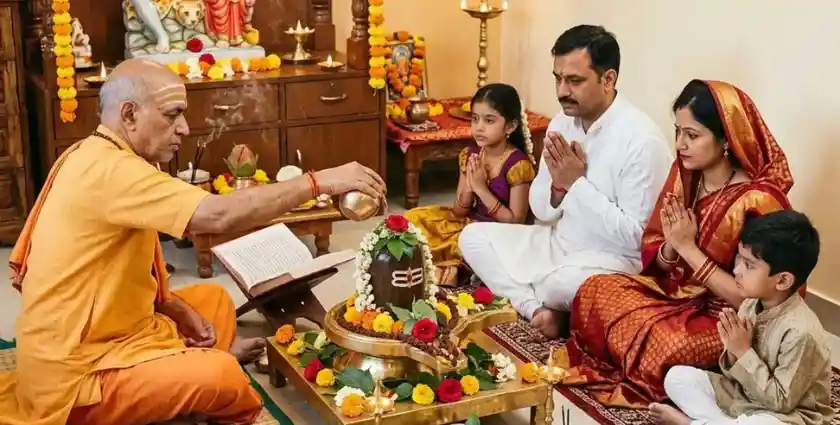
Why Monday (Somvar) Is Considered The Best Day For Rudrabhishek Puja
Best Time Of Year To Visit Trimbakeshwar For Puja
What Is Manglik Dosh And How Kumbh Vivah Puja Removes It
Kaal Sarp Puja Dates Calendar