
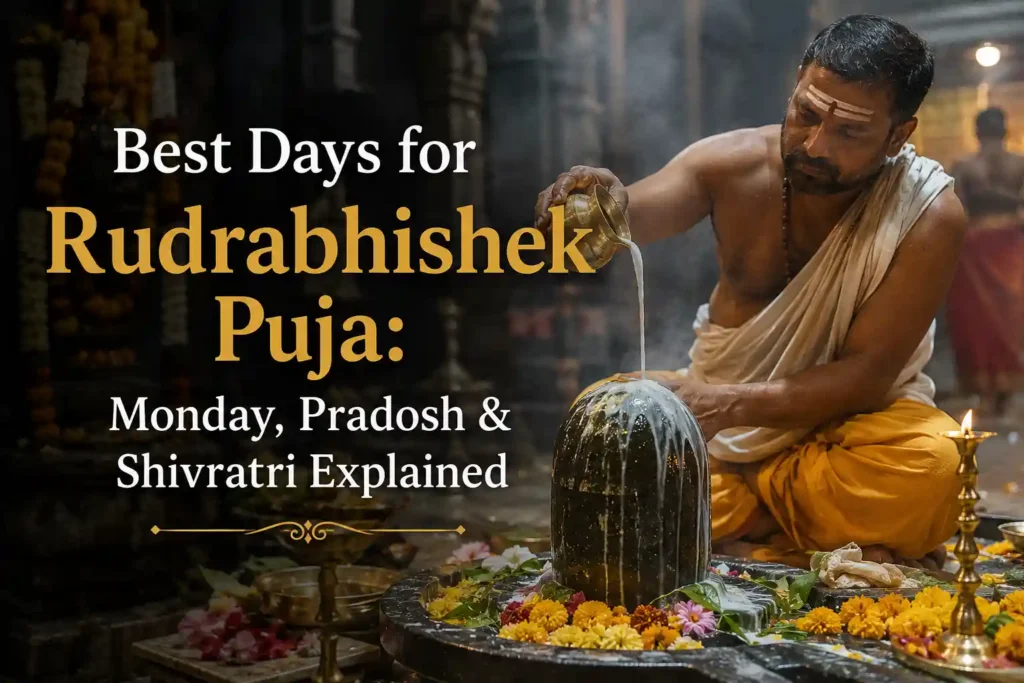
Rudrabhishek Puja is one of the most sacred Vedic rituals dedicated to Lord Shiva, the supreme deity known as the destroyer of negativity and the source of transformation. During this powerful ceremony, the Shiva Lingam is bathed with holy offerings such as water, milk, honey, curd, ghee, sugar, Bilva leaves, sandalwood, and sacred herbs while priests chant the Sri Rudram and other Vedic mantras. Devotees perform this ritual to seek divine blessings for good health, prosperity, success, spiritual growth, protection from obstacles, and peace in family life. However, one question that many devotees ask before planning this sacred ceremony is: What is the best day for Rudrabhishek Puja? According to Hindu scriptures and Vedic traditions, while Rudrabhishek can be performed on any day with sincere devotion, certain days such as Monday (Somvar), Pradosh Vrat, Maha Shivratri, Shravan Mondays, and Masik Shivratri are considered exceptionally auspicious. Performing the puja on these sacred occasions is believed to amplify its spiritual benefits and bring devotees closer to Lord Shiva’s divine grace.
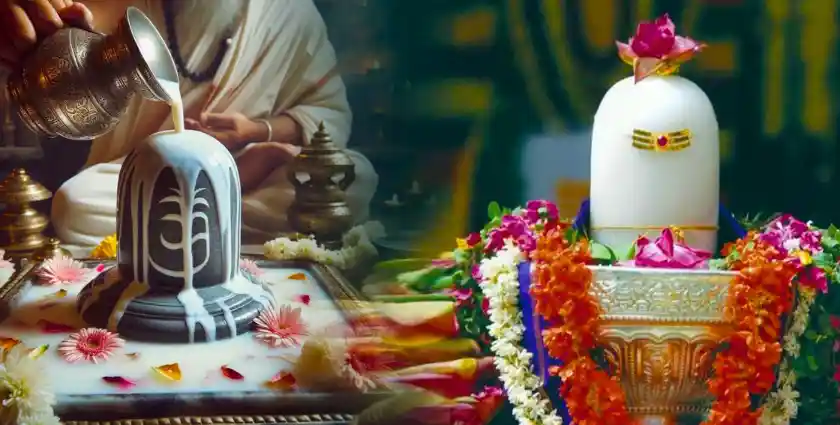
Choosing the best day for Rudrabhishek Puja is not simply about following a calendar—it is about aligning yourself with spiritually powerful cosmic energies described in ancient Hindu scriptures. Mondays are dedicated to Lord Shiva and symbolize peace, devotion, and purification. Pradosh Vrat, observed during the twilight period of Trayodashi, is believed to be the time when Lord Shiva performs his divine cosmic dance and blesses sincere devotees. Maha Shivratri, celebrated once a year, is regarded as the holiest night for Shiva worship and attracts millions of devotees seeking spiritual upliftment. Similarly, the Mondays of the Shravan month hold immense religious significance because this sacred month is entirely devoted to Lord Shiva. Understanding the importance of these auspicious days helps devotees plan their Rudrabhishek at the most favorable time, ensuring that the ritual is performed with complete faith, proper Vedic procedures, and maximum spiritual merit.
What is Rudrabhishek Puja?
Rudrabhishek Puja is an ancient Vedic ritual in which devotees perform a sacred Abhishek (ritual bathing) of the Shiva Lingam while chanting the powerful Sri Rudram, one of the most revered hymns found in the Krishna Yajurveda. The word “Rudra” represents Lord Shiva in his compassionate yet transformative form, while “Abhishek” refers to the ceremonial bathing of the deity using sacred offerings. During the ritual, experienced Vedic priests continuously recite Rudra mantras as milk, water, honey, curd, ghee, sugarcane juice, Bilva leaves, flowers, sandalwood paste, and holy water are offered to the Shiva Lingam. This sacred ceremony symbolizes purification of the mind, removal of negative karma, and surrender to divine consciousness. Across India, devotees perform Rudrabhishek for various reasons, including success in career, relief from planetary doshas, better health, family harmony, marriage blessings, business growth, and spiritual peace.
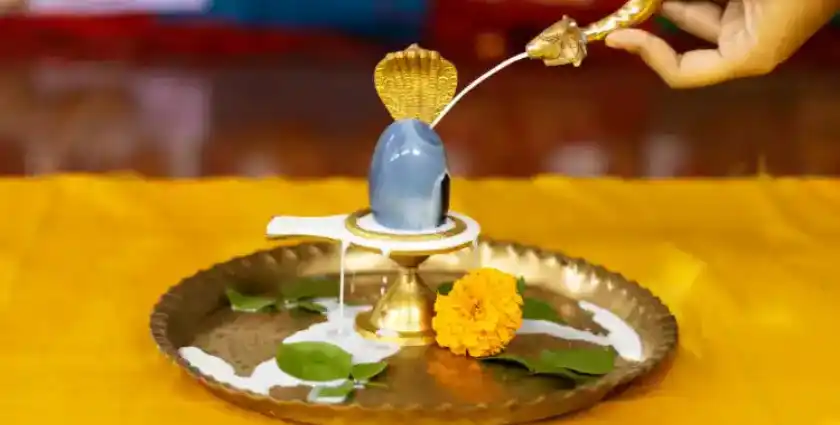
The significance of Rudrabhishek is deeply rooted in scriptures such as the Shiva Purana, Skanda Purana, Linga Purana, and the Vedas, where Lord Shiva is described as the compassionate protector who grants blessings to sincere devotees regardless of their background. Unlike many elaborate rituals, Rudrabhishek emphasizes devotion, humility, and purity of intention over material wealth. It is believed that every offering made during the Abhishek carries symbolic meaning—water represents purification, milk signifies purity, honey symbolizes sweetness in life, Bilva leaves represent devotion, and sandalwood reflects inner peace. When performed on auspicious occasions like Monday, Pradosh, or Maha Shivratri, the ritual is believed to produce even greater spiritual benefits. For this reason, thousands of devotees visit Trimbakeshwar Jyotirlinga, one of the twelve sacred Jyotirlingas of Lord Shiva, to perform authentic Rudrabhishek under the guidance of experienced Tamrapatradhari Pandits according to traditional Vedic rituals.
Which is the Best Day for Rudrabhishek Puja?
Many devotees ask, “What is the best day for Rudrabhishek Puja?” According to Hindu scriptures, Vedic astrology, and the Shiva Purana, Lord Shiva accepts sincere worship on any day. However, certain occasions carry greater spiritual significance because of their association with Lord Shiva and specific planetary alignments. These auspicious days are believed to enhance the benefits of Rudrabhishek, making prayers more spiritually rewarding. Among them, Monday (Somvar), Pradosh Vrat, Maha Shivratri, Shravan Mondays, and Masik Shivratri are considered the most powerful times to perform this sacred ritual. Each of these days has unique religious importance and is associated with blessings such as improved health, career growth, marriage harmony, financial prosperity, removal of obstacles, and inner peace. The best day ultimately depends on your spiritual goals, personal horoscope, and the guidance of an experienced Vedic priest. Many devotees also combine these auspicious dates with a favorable Muhurat for maximum spiritual benefits. Performing Rudrabhishek at sacred temples like Trimbakeshwar Jyotirlinga during these special occasions is considered especially beneficial due to the temple’s divine significance and centuries-old Vedic traditions.
Below is a quick comparison of the most auspicious days for Rudrabhishek Puja:
| Auspicious Day | Spiritual Importance | Best For |
|---|---|---|
| Monday (Somvar) | Day dedicated to Lord Shiva | Peace, prosperity, career, marriage |
| Pradosh Vrat | Evening worship of Lord Shiva | Removing obstacles, success, family happiness |
| Maha Shivratri | Holiest festival of Lord Shiva | Spiritual growth, liberation, blessings |
| Shravan Mondays | Sacred month of Shiva | Wish fulfillment, devotion, prosperity |
| Masik Shivratri | Monthly Shivratri observance | Regular spiritual progress and protection |
By understanding the significance of each day, devotees can select the most suitable occasion based on their intentions and religious traditions.
Why Monday (Somvar) is Considered the Best Day for Rudrabhishek Puja
Among all days of the week, Monday, known as Somvar, is universally regarded as the most auspicious day to worship Lord Shiva. According to Hindu mythology, the Moon God (Chandra Dev) worshipped Lord Shiva to overcome a curse and was blessed with protection. As a symbol of this blessing, Lord Shiva adorns the crescent moon on His matted hair, making Monday especially sacred. This is why millions of devotees observe Somvar Vrat, visit Shiva temples, chant “Om Namah Shivaya,” and perform Rudrabhishek every Monday. It is believed that prayers offered on this day are received with special compassion by Lord Shiva, bringing mental peace, emotional stability, spiritual purification, and protection from life’s difficulties. Devotees seeking success in education, business, employment, relationships, or family life often choose Monday for performing Rudrabhishek because of its strong spiritual vibrations and deep connection with Lord Shiva’s benevolent energy.
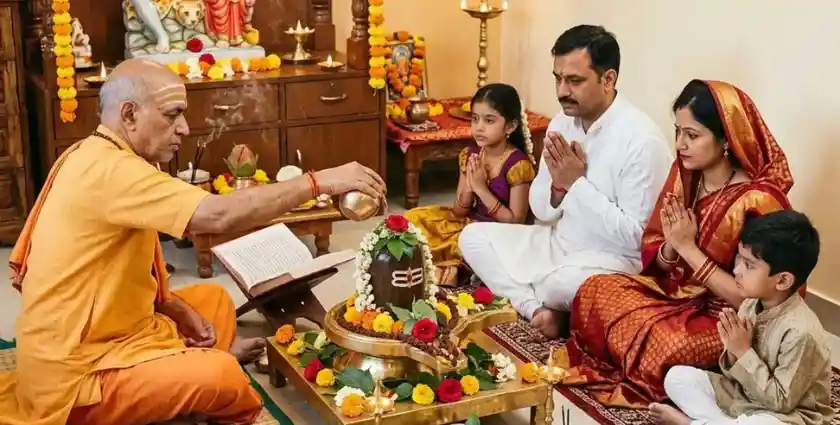
Performing Rudrabhishek on Monday is especially beneficial for individuals facing delays in marriage, financial instability, career obstacles, health concerns, or planetary doshas. During the ritual, sacred offerings such as water, milk, Panchamrit, Bilva leaves, honey, sandalwood, and flowers are offered while Vedic priests recite the powerful Sri Rudram and Mahamrityunjaya Mantra. Devotees believe that these sacred vibrations remove negative karma, purify the mind, and attract positive opportunities into life. If Monday also coincides with Pradosh Vrat, Shravan Month, or Maha Shivratri, the spiritual significance increases even further. Many pilgrims therefore travel to Trimbakeshwar Jyotirlinga, where experienced Tamrapatradhari Pandits perform authentic Vedic Rudrabhishek according to ancient traditions. Whether your goal is spiritual growth or relief from life’s challenges, Monday remains one of the most recommended days to perform Rudrabhishek with devotion and faith.
Pradosh Vrat Rudrabhishek: Why the Twilight Hours Are Considered Highly Auspicious
Pradosh Vrat is one of the most sacred occasions dedicated to Lord Shiva, observed on the Trayodashi Tithi (13th lunar day) of both the waxing (Shukla Paksha) and waning (Krishna Paksha) moon every month. The word “Pradosh” refers to the auspicious twilight period just before nightfall, a time that Hindu scriptures describe as especially dear to Lord Shiva. According to the Shiva Purana and various Vedic traditions, this is the divine hour when Lord Shiva performs His celestial Tandava, the cosmic dance symbolizing creation, preservation, and transformation. Devotees believe that worshipping Lord Shiva during this sacred period helps remove obstacles, cleanse past karmas, and attract divine blessings. Performing Rudrabhishek Puja on Pradosh Vrat is therefore considered one of the most spiritually rewarding forms of Shiva worship. Thousands of devotees observe fasting throughout the day and participate in Abhishek, mantra chanting, and evening aarti to seek peace, prosperity, good health, and family harmony. The combination of sincere devotion, Vedic mantras, and the spiritually charged Pradosh period makes this day highly significant for anyone seeking Lord Shiva’s grace.
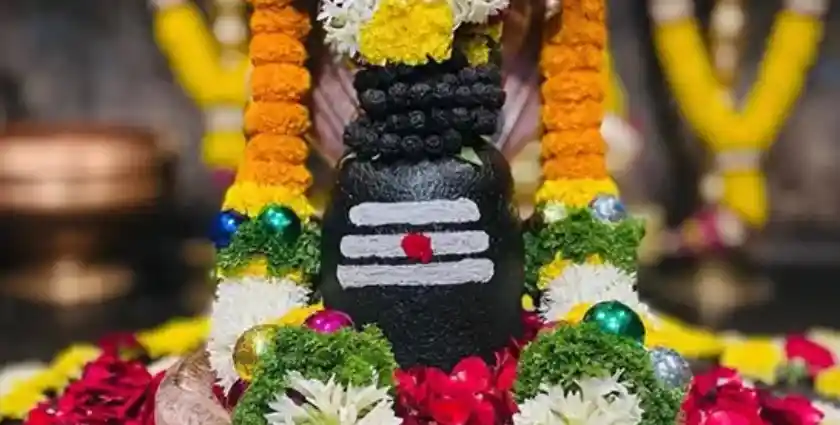
The best time to perform Rudrabhishek on Pradosh Vrat is during the Pradosh Kaal, which generally begins about 1.5 hours before sunset and continues until approximately one hour after sunset, although the exact timing varies according to location and the Hindu calendar. During this sacred period, devotees offer water, milk, Panchamrit, Bilva leaves, flowers, sandalwood paste, honey, and sacred herbs to the Shiva Lingam while priests recite the Sri Rudram, Chamakam, and Mahamrityunjaya Mantra. According to traditional beliefs, Pradosh Rudrabhishek is especially beneficial for those facing career obstacles, delayed marriage, financial instability, health concerns, family disputes, or planetary doshas. Many devotees choose to perform this ritual at Trimbakeshwar Jyotirlinga, where experienced Tamrapatradhari Pandits conduct authentic Vedic ceremonies following ancient scriptural traditions. Whether performed for spiritual progress or personal well-being, Rudrabhishek during Pradosh Vrat is regarded as one of the most auspicious opportunities to receive Lord Shiva’s blessings.
Maha Shivratri: The Most Powerful Day for Rudrabhishek Puja
Among all festivals dedicated to Lord Shiva, Maha Shivratri is considered the most sacred and spiritually powerful day to perform Rudrabhishek Puja. Celebrated once every year during the Krishna Paksha Chaturdashi of the Phalguna month, Maha Shivratri commemorates the divine appearance of the Jyotirlinga, the celestial marriage of Lord Shiva and Goddess Parvati, and the night of supreme spiritual awakening according to different Hindu traditions. Millions of devotees across India observe fasting, remain awake throughout the night, chant “Om Namah Shivaya,” and perform multiple rounds of Rudrabhishek to honor Lord Shiva. Scriptures describe this night as a rare opportunity when spiritual vibrations are exceptionally powerful, allowing sincere devotees to experience greater inner peace, purification, and divine grace. Because of its immense religious importance, temples such as Trimbakeshwar Jyotirlinga witness thousands of pilgrims who gather to perform Abhishek with milk, holy water, Panchamrit, Bilva leaves, and sacred Vedic chants under the guidance of experienced priests.
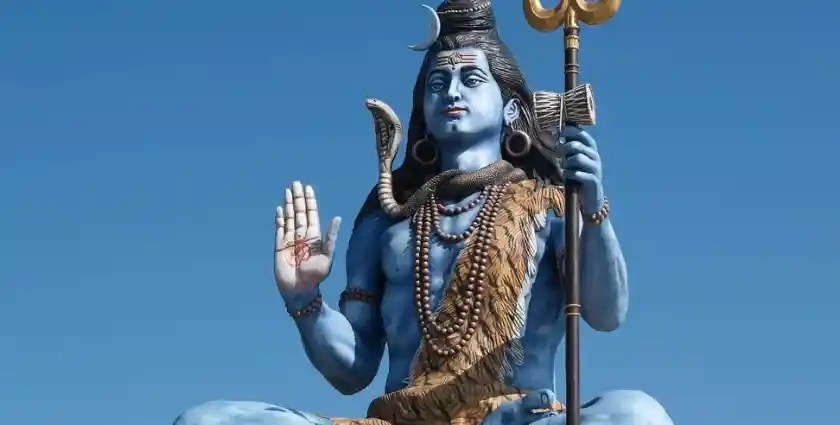
Performing Rudrabhishek on Maha Shivratri is believed to provide extraordinary spiritual merit and blessings. Devotees pray for good health, success, prosperity, removal of negativity, marital harmony, spiritual growth, and protection from difficulties. The entire night is divided into four Prahars (watches), and many devotees perform Abhishek during each Prahar while continuously chanting the Mahamrityunjaya Mantra and Sri Rudram. According to Vedic beliefs, worship during Maha Shivratri symbolizes the victory of knowledge over ignorance and devotion over ego. Families often perform Rudrabhishek together to seek collective blessings and strengthen spiritual unity. Although Lord Shiva accepts worship every day, Maha Shivratri is widely regarded as the best annual occasion for Rudrabhishek because of its unique spiritual significance and scriptural importance. Devotees planning this sacred ritual are encouraged to book well in advance, especially at renowned temples like Trimbakeshwar, where large numbers of pilgrims participate every year.
Shravan Mondays: Why They Are Special for Rudrabhishek Puja
The Shravan (Sawan) month is regarded as the holiest period of the year for the worship of Lord Shiva. According to Hindu scriptures, this sacred month is especially dear to Lord Shiva because it is associated with the legendary Samudra Manthan (Churning of the Ocean), during which Lord Shiva consumed the deadly Halahala poison to protect the universe. To reduce the effect of the poison, the gods continuously offered sacred water and milk over Lord Shiva, giving rise to the tradition of Rudrabhishek. Even today, millions of devotees observe fasting, visit Shiva temples, carry Kanwar Yatra water from holy rivers, and perform Abhishek throughout the Shravan month. Among all the days in this month, Shravan Mondays (Shravan Somvar) are considered especially auspicious. Performing Rudrabhishek Puja on these Mondays is believed to attract Lord Shiva’s divine blessings for health, prosperity, career success, marital happiness, and spiritual growth. The atmosphere during Shravan is filled with devotion as temples resonate with chants of “Om Namah Shivaya”, creating a spiritually uplifting experience for devotees.
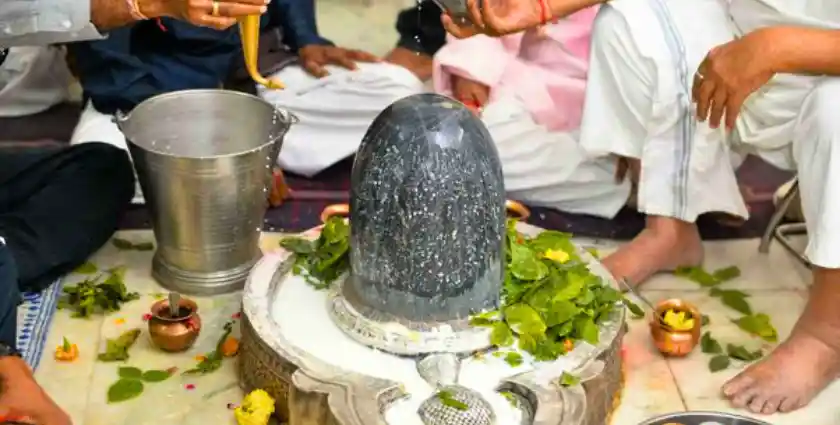
Many families choose Trimbakeshwar Jyotirlinga during the Shravan month because it is one of the twelve sacred Jyotirlingas and a highly revered center for authentic Vedic rituals. During Shravan Mondays, experienced Tamrapatradhari Pandits perform elaborate Rudrabhishek ceremonies with continuous chanting of the Sri Rudram, Chamakam, and Mahamrityunjaya Mantra. Devotees offer Bilva leaves, milk, Panchamrit, sandalwood, flowers, honey, holy water, and sacred herbs while praying for the removal of obstacles and fulfillment of sincere wishes. According to traditional beliefs, Shravan Rudrabhishek is especially beneficial for those seeking career advancement, marriage blessings, family harmony, financial stability, relief from planetary doshas, and inner peace. Although Rudrabhishek can be performed throughout the year, many devotees consider Shravan Mondays among the best days for Rudrabhishek Puja because of their exceptional spiritual importance and centuries-old religious traditions.
Masik Shivratri: Monthly Opportunity to Receive Lord Shiva's Blessings
While Maha Shivratri is celebrated once every year, Masik Shivratri is observed every month on the Krishna Paksha Chaturdashi (14th lunar day), making it a regular opportunity for devotees to worship Lord Shiva. Though smaller in scale than Maha Shivratri, Masik Shivratri holds great significance in Hindu tradition and is considered highly auspicious for performing Rudrabhishek Puja. Devotees observe fasting, visit Shiva temples, chant Om Namah Shivaya, and perform Abhishek during the evening or night. Scriptures suggest that sincere worship on Masik Shivratri helps purify the mind, reduce negative influences, and strengthen one’s connection with Lord Shiva. For those unable to wait until the annual Maha Shivratri, Masik Shivratri provides a valuable monthly occasion to seek divine blessings, spiritual progress, and protection from life’s difficulties. Many devotees make it a regular spiritual practice, believing that consistent worship strengthens faith and brings lasting inner peace.
Performing Rudrabhishek on Masik Shivratri is believed to be particularly beneficial for individuals facing stress, recurring obstacles, family disagreements, health concerns, financial challenges, or delays in important life events. During the ceremony, priests perform Abhishek using water, milk, curd, honey, ghee, Bilva leaves, flowers, and sacred Vedic mantras, creating a spiritually powerful environment. Devotees often combine the ritual with meditation, mantra chanting, and charity to enhance its religious significance. At Trimbakeshwar Jyotirlinga, Masik Shivratri attracts devotees throughout the year who wish to perform authentic Rudrabhishek under the guidance of experienced Tamrapatradhari Pandits. Whether performed for spiritual discipline or specific prayers, Masik Shivratri remains one of the most favorable monthly occasions to worship Lord Shiva according to Vedic traditions.
What Is the Best Time of Day for Rudrabhishek Puja?
Choosing the right time is almost as important as selecting the best day for Rudrabhishek Puja. According to Vedic traditions, the most favorable timings are Brahma Muhurat (before sunrise), early morning after sunrise, and Pradosh Kaal (twilight period). Early morning is widely considered ideal because the environment is peaceful, the mind is calm, and spiritual practices are believed to be more effective. Many temples begin Rudrabhishek shortly after sunrise, allowing devotees to participate in the sacred ritual before starting their daily activities. Pradosh Kaal, observed around sunset on Pradosh Vrat, is another highly auspicious period specifically associated with Lord Shiva. During Maha Shivratri, however, the night itself becomes sacred, and many devotees perform Rudrabhishek during one or more of the four Prahars, each carrying unique spiritual significance. The exact Muhurat may also vary based on the Hindu calendar and local traditions.
Who Should Perform Rudrabhishek Puja?
Rudrabhishek Puja is a sacred Vedic ritual that can be performed by anyone with devotion toward Lord Shiva. While every devotee may perform this puja to seek divine blessings, Hindu scriptures recommend it especially for individuals facing significant challenges in life or seeking spiritual growth. According to the Shiva Purana and Vedic traditions, Lord Shiva is known as Bholenath, the compassionate deity who blesses sincere devotees regardless of caste, age, or financial status. Many people perform Rudrabhishek to overcome obstacles related to health, career, marriage, education, finances, and family harmony. It is also considered highly beneficial for those experiencing the effects of planetary doshas such as Mangal Dosha, Kaal Sarp Dosh, Pitra Dosh, or difficult Saturn and Rahu-Ketu periods. The continuous chanting of the Sri Rudram, Mahamrityunjaya Mantra, and offering of sacred items during the Abhishek are believed to create positive spiritual vibrations that help remove negativity and invite divine blessings into one’s life. Whether performed individually, with family, or as part of a special occasion, Rudrabhishek remains one of the most powerful forms of Lord Shiva worship in Hinduism.
Materials Required for Rudrabhishek Puja
The Rudrabhishek Puja is performed using sacred offerings that carry deep symbolic meaning in Hindu tradition. Each item offered to the Shiva Lingam represents purity, gratitude, surrender, and devotion toward Lord Shiva. Although the exact materials may vary slightly depending on regional customs and temple traditions, the core offerings remain largely the same across India. The ritual usually begins with the ceremonial bathing of the Shiva Lingam using holy water, followed by Panchamrit and other sacred substances while Vedic priests chant the Sri Rudram and Chamakam. Every offering has its own spiritual significance—water represents purification, milk symbolizes purity, honey signifies sweetness in life, curd represents prosperity, ghee denotes spiritual illumination, and Bilva leaves are considered Lord Shiva’s most beloved offering. Together, these sacred items create a spiritually uplifting atmosphere that enhances the devotee’s connection with the divine.
Essential Items for Rudrabhishek Puja
| Puja Material | Spiritual Significance |
|---|---|
| Holy Water (Gangajal) | Purification and cleansing |
| Milk | Purity and devotion |
| Curd | Prosperity and nourishment |
| Honey | Sweetness in relationships |
| Ghee | Divine light and positivity |
| Sugar | Happiness and contentment |
| Panchamrit | Complete spiritual offering |
| Bilva (Bel) Leaves | Most beloved offering to Lord Shiva |
| Sandalwood Paste | Peace and purity |
| Fresh Flowers | Love and devotion |
| Bhasma (Sacred Ash) | Detachment from ego |
| Fruits | Gratitude and abundance |
| Coconut | Surrender to the Divine |
| Incense & Camphor | Purification of surroundings |
| Rudraksha Mala | Shiva’s sacred symbol |
Most temples, including Trimbakeshwar Jyotirlinga, arrange these materials as part of the puja package, allowing devotees to participate without worrying about bringing every item themselves.
Benefits of Performing Rudrabhishek on Auspicious Days
Performing Rudrabhishek Puja on auspicious occasions such as Monday, Pradosh Vrat, Maha Shivratri, Shravan Mondays, or Masik Shivratri is believed to enhance the spiritual benefits of the ritual. According to Hindu scriptures, these sacred days are naturally charged with positive spiritual energy, making prayers and Vedic rituals especially fruitful. During Rudrabhishek, the chanting of Sri Rudram, Mahamrityunjaya Mantra, and the continuous Abhishek of the Shiva Lingam are believed to purify the mind, remove negative influences, and strengthen one’s connection with Lord Shiva. Devotees often experience a deep sense of peace, renewed faith, and emotional balance after participating in the ceremony. While the results of any spiritual practice depend on individual faith and circumstances, generations of devotees have continued this tradition because they believe it brings divine blessings and inner transformation.
Spiritual and Personal Benefits
- Brings the blessings of Lord Shiva
- Removes negativity and spiritual obstacles
- Promotes mental peace and emotional stability
- Supports career and business growth
- Enhances financial prosperity
- Improves family harmony and relationships
- Helps reduce the effects of certain planetary doshas
- Encourages better health and positive energy
- Strengthens devotion and spiritual discipline
- Creates an atmosphere of peace and positivity at home
Why Perform Rudrabhishek at Trimbakeshwar?
Trimbakeshwar, one of the twelve sacred Jyotirlingas of Lord Shiva, is among the most revered pilgrimage destinations for performing Rudrabhishek Puja. Located near Nashik in Maharashtra, this ancient temple has been a center of Vedic worship for centuries and is closely associated with the origin of the sacred Godavari River. Devotees from across India and abroad visit Trimbakeshwar to perform Rudrabhishek because the rituals are conducted according to authentic Vedic traditions by experienced Tamrapatradhari Pandits. The temple’s unique spiritual atmosphere, combined with centuries of uninterrupted worship, makes it one of the most preferred places for devotees seeking Lord Shiva’s blessings. Many pilgrims also combine Rudrabhishek with other important Vedic rituals such as Narayan Nagbali Puja, Kaal Sarp Dosh Puja, Pitra Dosh Nivaran Puja, and Mahamrityunjaya Jaap, making Trimbakeshwar a complete spiritual destination.
Common Mistakes to Avoid During Rudrabhishek Puja
Performing Rudrabhishek Puja with devotion is more important than performing it with elaborate arrangements. However, following proper Vedic procedures helps preserve the sanctity of the ritual and ensures that the ceremony is conducted respectfully. One of the most common mistakes is selecting an inauspicious Muhurat without consulting an experienced priest or referring to the Hindu Panchang. While Lord Shiva accepts sincere worship at any time, performing the puja on auspicious days such as Monday, Pradosh Vrat, Shravan Mondays, Masik Shivratri, or Maha Shivratri is traditionally considered more spiritually significant. Another mistake is rushing through the ritual without understanding its purpose or participating with a distracted mind. Rudrabhishek is a sacred act of devotion, not merely a ceremonial procedure. Maintaining cleanliness, wearing traditional attire, observing basic temple discipline, and participating with faith help create a spiritually meaningful experience.
Frequently Asked Questions (FAQs)
1. Which is the best day for Rudrabhishek Puja?
Monday (Somvar) is widely regarded as the best day for Rudrabhishek because it is dedicated to Lord Shiva. Pradosh Vrat, Maha Shivratri, Shravan Mondays, and Masik Shivratri are also considered highly auspicious for performing this sacred ritual.
2. Can Rudrabhishek be performed on any day?
Yes. Rudrabhishek can be performed on any day with sincere devotion. However, Hindu traditions consider Mondays, Pradosh Vrat, Shravan Mondays, and Shivratri more spiritually significant due to their association with Lord Shiva.
3. What is the best time for Rudrabhishek Puja?
The most favorable timings are Brahma Muhurat, early morning after sunrise, and Pradosh Kaal during the evening. On Maha Shivratri, devotees often perform Rudrabhishek during the four sacred night Prahars.
4. Why are Bilva leaves offered to Lord Shiva?
Bilva (Bel) leaves are considered the most sacred offering to Lord Shiva. According to Hindu scriptures, offering fresh Bilva leaves during Rudrabhishek symbolizes devotion, purity, and the removal of negative influences.
5. Can Rudrabhishek help with planetary doshas?
Many devotees perform Rudrabhishek seeking relief from challenging planetary influences such as Mangal Dosha, Kaal Sarp Dosh, Pitra Dosh, and Saturn-related difficulties. Traditional belief recommends consulting a qualified astrologer or priest for personalized guidance.
6. How long does Rudrabhishek Puja take?
A standard Rudrabhishek generally takes 1.5 to 3 hours, depending on the type of ritual, number of Vedic chants, and temple traditions. Larger ceremonies with Ekadash Rudra or Maha Rudrabhishek may require more time.
7. Can women participate in Rudrabhishek Puja?
Yes. Women can participate in Rudrabhishek according to their family traditions and temple customs. Many families perform the ritual together to seek Lord Shiva’s blessings for health, prosperity, and family harmony.
8. Which temple is famous for Rudrabhishek?
Trimbakeshwar Jyotirlinga in Maharashtra is among the most famous temples for Rudrabhishek. Devotees visit throughout the year to perform authentic Vedic rituals under the guidance of experienced Tamrapatradhari Pandits.
9. What should devotees wear during Rudrabhishek?
Traditional, clean, and modest clothing is generally recommended. Men often wear dhoti-kurta, while women usually wear a saree or salwar suit, depending on local customs and temple guidelines.
10. Can Rudrabhishek be performed for family well-being?
Yes. Many families perform Rudrabhishek together to pray for peace, health, prosperity, harmony, career growth, and protection from obstacles. It is regarded as one of the most spiritually uplifting forms of Lord Shiva worship.
Conclusion
Choosing the best day for Rudrabhishek Puja depends on your spiritual goals, family traditions, and religious beliefs. While Monday (Somvar) remains the most popular and widely recommended day for Lord Shiva worship, occasions such as Pradosh Vrat, Maha Shivratri, Shravan Mondays, and Masik Shivratri offer additional spiritual significance. These sacred days have been honored for centuries in Hindu tradition and continue to inspire millions of devotees to seek Lord Shiva’s blessings through heartfelt worship. When combined with authentic Vedic rituals, proper Muhurat, and sincere devotion, Rudrabhishek becomes a deeply meaningful spiritual experience that nurtures inner peace, gratitude, and faith.