

Introduction to Baijnath Shiv Temple
The Baijnath Temple is one of the most sacred temples dedicated to Lord Shiva, known for its deep spiritual energy and ancient history. Located in the beautiful Kangra Valley near Palampur, this Baijnath Shiv Temple attracts thousands of devotees and travelers every year. Surrounded by scenic mountains and peaceful surroundings, the temple offers both a divine and natural experience for visitors.
The Baijnath Mahadev Temple is especially famous for worshipping Lord Shiva in the form of Vaidyanath, meaning the “God of Healing.” Many devotees believe that praying here helps in curing diseases and brings positive energy into life. This belief makes the temple unique compared to other Shiva temples in India.
Another interesting aspect is that many people confuse this temple with the Baijnath Temple Uttarakhand and even consider it a Jyotirlinga. However, it holds its own special importance in Hindu mythology and history. Whether you are a spiritual seeker or a traveler, visiting Baba Baijnath Temple is a peaceful and powerful experience.
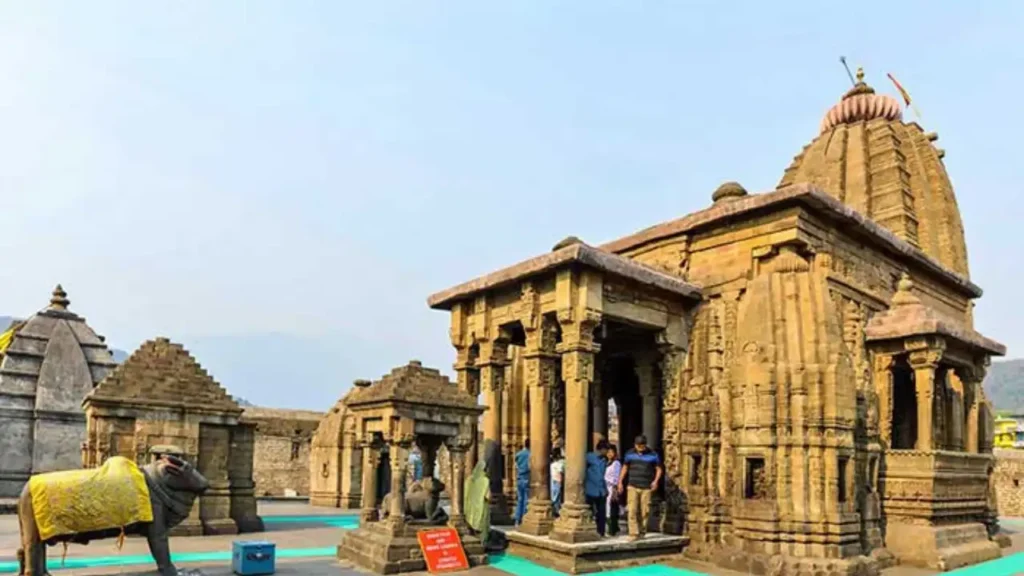
Where is Baijnath Temple Located?
The Baijnath Temple is located in the serene Kangra district of Himachal Pradesh, India. Nestled in the beautiful Kangra Valley, this ancient Baijnath Shiv Temple lies near the popular hill town of Palampur, making it easily accessible for both pilgrims and tourists. The temple is surrounded by lush greenery, snow-capped mountains, and the peaceful flow of the Binwa River, creating a spiritually uplifting environment for devotees.
Baijnath Temple is situated approximately 16 km from Palampur and around 50 km from Dharamshala, one of the major tourist hubs in Himachal Pradesh. Due to its strategic location, the temple is well-connected by road, rail, and nearby airports, making it convenient for travelers from across India.
Baijnath Temple Kangra Himachal Pradesh
The Baijnath Temple in Himachal Pradesh is located in a small town called Baijnath Paprola. This area is known for its spiritual importance and calm surroundings. The temple sits at the foothills of the Dhauladhar mountain range, offering breathtaking scenic views along with divine peace.
Devotees visiting the Baijnath Mahadev Temple often combine their trip with nearby destinations like Palampur tea gardens and Dharamshala. The location is ideal for both religious tourism and nature lovers, making it one of the most visited Shiva temples in Himachal Pradesh.
Baijnath Temple Uttarakhand near Kausani
Apart from Himachal Pradesh, there is another Baijnath Temple located in Uttarakhand near Kausani. This temple is also dedicated to Lord Shiva but is less crowded and offers a peaceful, offbeat spiritual experience.
The Baijnath Temple Uttarakhand is situated around 19 km from Kausani and lies on the banks of the Gomti River. It is surrounded by ancient stone temples and is known for its historical and archaeological significance. However, when people search for “Baijnath Shiv Temple,” they are usually referring to the Himachal Pradesh temple due to its higher popularity and religious importance.
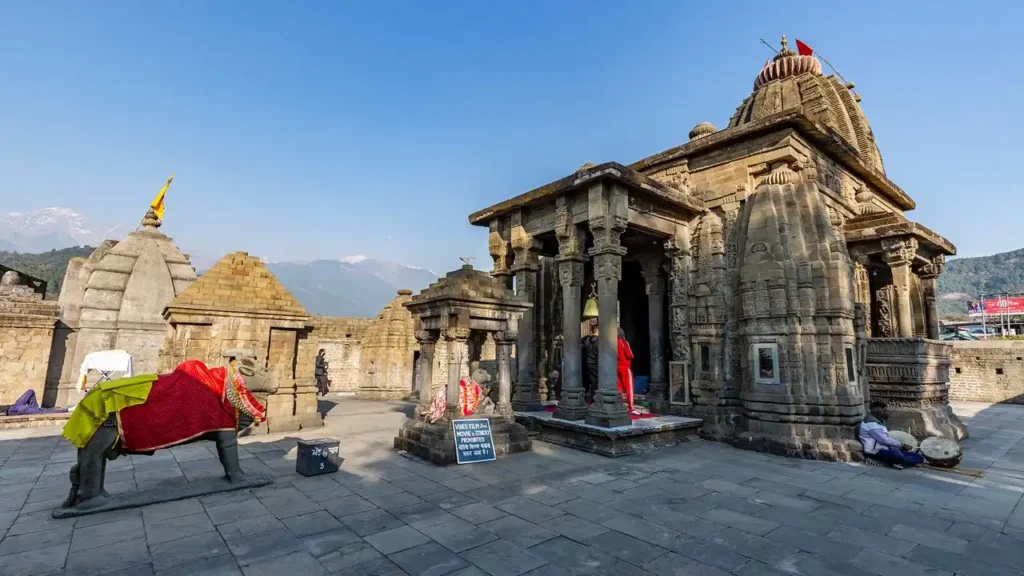
Baijnath Temple History & Story
The Baijnath Temple is not just a place of worship but a symbol of deep mythological significance and ancient Indian heritage. The Baijnath Mahadev Temple is believed to be more than 800 years old and holds a special place in Hindu mythology due to its connection with Lord Shiva and the demon king Ravana. Devotees from across India visit this Baijnath Shiv Temple to experience its divine energy and historical importance.
The temple was constructed in 1204 AD by two local merchants named Ahuka and Manyuka. It is built in the traditional Nagara-style architecture, which is known for its intricate carvings and stone structure. Even today, the temple stands strong and showcases the brilliance of ancient Indian craftsmanship.
🕉️ Baijnath Mahadev Temple Story in Detail
According to Hindu mythology, the story of Baijnath Temple revolves around Ravana, a great devotee of Lord Shiva. Ravana performed intense penance to please Lord Shiva and gain immortality. It is believed that he even offered his ten heads one by one as a sacrifice to show his devotion.
Impressed by his dedication, Lord Shiva appeared before Ravana and granted him the boon of healing powers, taking the form of Vaidyanath (the God of Physicians). This is why the temple is also known as Vaidyanath Temple, and devotees believe that prayers here can cure diseases and remove suffering.
However, there is also a belief that Lord Shiva instructed Ravana not to carry the Shivling to Lanka. Due to divine intervention, Ravana could not complete his mission, and the Shivling was established at Baijnath itself. This made the place extremely sacred and powerful.
📜 Historical Facts About Baijnath Temple
The Baijnath Temple is not only famous for its mythology but also for its historical importance. The temple has inscriptions that confirm its construction in the early 13th century, making it one of the oldest Shiva temples in Himachal Pradesh.
Here are some key historical highlights:
- Built in 1204 AD by local merchants
- Designed in Nagara architectural style
- Dedicated to Lord Shiva as Vaidyanath
- Protected as an ancient monument by the Archaeological Survey of India
- Survived natural disasters and invasions over centuries
The temple’s stone carvings, detailed sculptures, and peaceful surroundings reflect the rich cultural heritage of India. Today, it stands as a major pilgrimage site and attracts both spiritual seekers and history lovers.
Is Baijnath Temple a Jyotirlinga?
Many devotees often wonder whether the Baijnath Temple is one of the sacred Jyotirlingas of Lord Shiva. This confusion arises because the Baijnath Shiv Temple is dedicated to Lord Shiva in the form of Vaidyanath, which sounds similar to Baidyanath Dham, one of the 12 Jyotirlingas. However, the Baijnath Temple Himachal Pradesh is not officially listed among the twelve Jyotirlingas. Despite this, the temple holds immense religious importance and is considered highly sacred by devotees across India.
The spiritual energy of the Baijnath Mahadev Temple is believed to be very powerful. Devotees visit this Baijnath Shiva Temple to seek blessings for healing, peace, and removal of negative energies. Since Lord Shiva is worshipped here as Vaidyanath, the divine healer, many people believe that praying here helps cure physical and mental ailments. This belief has strengthened the temple’s reputation, and some pilgrims even consider it equal in importance to a Jyotirlinga. However, from a traditional and scriptural perspective, it is categorized as a highly revered ancient Shiva temple, not a Jyotirlinga.
🕉️ Difference Between Jyotirlinga and Baijnath Temple
To understand this better, it is important to know what a Jyotirlinga actually represents. Jyotirlingas are special shrines where Lord Shiva is believed to have appeared as a column of divine light. These temples are mentioned in ancient scriptures and are limited to twelve sacred locations across India.
Here’s a simple comparison:
Feature | Baijnath Temple Himachal | Jyotirlinga Temple |
Status | Sacred Shiva Temple | One of 12 Jyotirlingas |
Form of Shiva | Vaidyanath (Healer) | Jyoti (Divine Light) |
Scriptural Mention | Local legends | Ancient Puranas |
Popularity | Regional + National | Pan-India pilgrimage |
Even though the Baijnath Temple is not a Jyotirlinga, its historical background, mythology, and spiritual significance make it one of the most important Shiva temples in North India. Many devotees include it in their spiritual journeys along with other famous Shiva temples.

Baijnath Temple Shivling Mystery & Significance
One of the most intriguing aspects of the Baijnath Shiv Temple is its Shivling, worshipped in the form of Vaidyanath, the “Lord of Healing.” Devotees believe this Shivling holds powerful spiritual energy capable of curing illnesses, removing obstacles, and bringing peace and prosperity into their lives. The mystique of the Shivling draws countless pilgrims every year, who come not just to worship but to feel the unique divine energy emanating from the temple.
Why the Shivling is Special
The Baijnath Shivling is believed to have been brought by Ravana, who was a devout follower of Lord Shiva. According to legends, Ravana attempted to take the Shivling to Lanka but could not complete his mission due to divine intervention. As a result, the Shivling was installed at Baijnath itself, making the temple exceptionally sacred. Unlike many other temples where rituals are the main attraction, here the Shivling itself is considered the source of spiritual power, radiating healing energy to those who pray with devotion.
Healing Power Belief
Devotees offer milk, water, and bel leaves to the Shivling while praying for recovery from ailments, protection from misfortunes, and mental peace. Many pilgrims report feeling rejuvenated, spiritually uplifted, and mentally relaxed after visiting the temple. The Shivling’s aura is said to purify the mind and soul, providing not only spiritual benefits but also emotional healing.
Devotee Experiences
Visitors often share miraculous experiences, from relief from chronic ailments to a sense of renewed energy and clarity. The Baijnath Mahadev Temple is considered a sacred haven where faith and devotion are rewarded, making it one of the most revered Shiva temples in Himachal Pradesh. Whether you are seeking spiritual guidance, healing, or simply a peaceful retreat, the Shivling at Baijnath Temple offers a profound connection to Lord Shiva.

Baijnath Temple Timings & Aarti Schedule
The Baijnath Temple is open for devotees from 6:00 AM to 7:00 PM, providing ample opportunity to experience darshan and perform prayers. Visiting early in the morning is highly recommended, as the temple is less crowded, and the serene atmosphere of the Kangra Valley enhances the spiritual experience. Early morning darshan allows devotees to witness the temple’s peaceful surroundings, listen to the flowing Binwa River, and absorb the tranquil energy of the Baijnath Shivling.
Morning & Evening Aarti
The temple conducts two main Aartis every day. The morning Aarti, starting around 7:00 AM, involves chanting Vedic mantras, ringing bells, and offering prayers to the Baijnath Shivling. This creates a divine ambiance, perfect for meditation and connecting with Lord Shiva. The evening Aarti, around 6:00 PM, is equally mesmerizing, with lamps illuminating the temple and the Dhauladhar mountains serving as a scenic backdrop. Participating in these Aartis enhances the spiritual experience, allowing devotees to feel the energy of the temple deeply.
Best Time for Darshan
For an optimal visit, weekdays and early mornings are preferred, avoiding the weekend rush or festival crowds. During peak tourist season (April to June) and festivals like Shivratri, it is recommended to arrive at least 30 minutes before the scheduled Aarti. Devotees are advised to maintain temple decorum, carry essentials like water and bel leaves, and respect local customs. With these timings, visitors can enjoy a fulfilling spiritual experience at the Baijnath Mahadev Temple, combining devotion with the natural beauty of Himachal Pradesh.
Baijnath Temple Shivratri Celebration
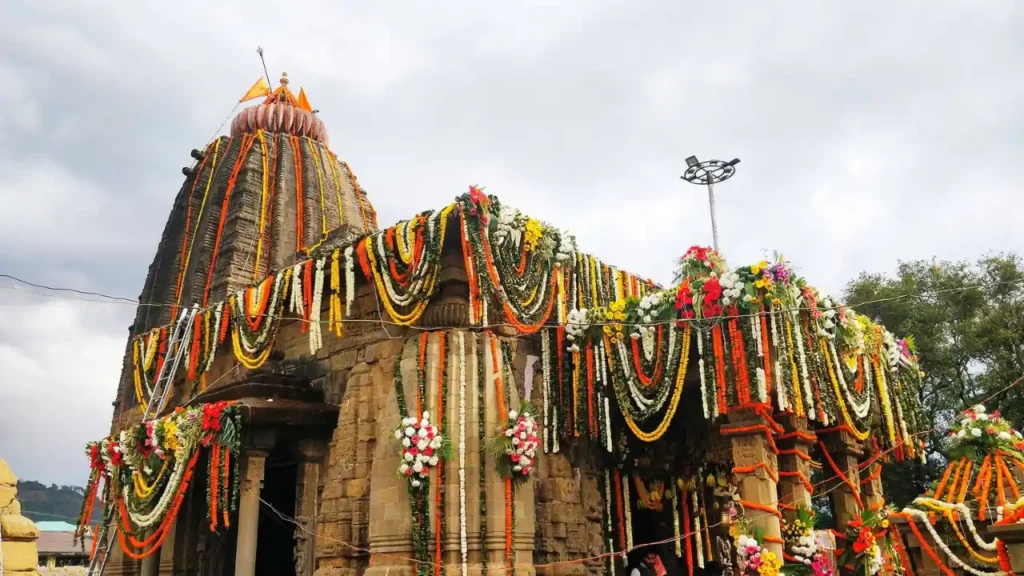
Maha Shivratri is one of the most important festivals celebrated at the Baijnath Shiv Temple. Devotees from all over India flock to the temple to honor Lord Shiva during this auspicious night. The festival symbolizes the cosmic marriage of Shiva and Parvati and is considered highly spiritual, making it a perfect time for devotion and prayers. The Baijnath Mahadev Temple becomes a hub of religious fervor, with special rituals, continuous chanting of mantras, and elaborate decorations that enhance the divine ambience.
Festival Importance
During Shivratri, devotees perform night-long vigils, fasting, and special pujas dedicated to Lord Shiva. The Shivling is bathed with milk, honey, water, and flowers throughout the day and night. According to local belief, worshipping the Baijnath Shivling during Shivratri can cleanse sins, heal ailments, and bring spiritual growth. The festival also strengthens the faith of pilgrims, who often consider this occasion as an opportunity to attain blessings for health, wealth, and prosperity.
Crowd & Rituals
As one of the most famous Shiva temples in Himachal Pradesh, the Baijnath Temple experiences a massive influx of devotees during Shivratri. Special arrangements are made to manage the crowd, including temporary queues and volunteers guiding devotees. The rituals include continuous chanting of the Mahamrityunjaya Mantra, offering of bel leaves, and performing abhishek to the Shivling. Pilgrims are advised to arrive early and plan their visit to avoid long waiting times.
Travel Tips During Shivratri
- Plan Ahead: Book hotels near Baijnath Temple in advance, as accommodations fill up quickly.
- Carry Essentials: Bring water, bel leaves, and light snacks if needed.
- Dress Modestly: Traditional attire is preferred for a respectful darshan experience.
- Follow Temple Guidelines: Listen to volunteers and maintain decorum during rituals.
Celebrating Shivratri at Baijnath Temple is a spiritually enriching experience that combines devotion, culture, and the mystical energy of the Kangra Valley, making it a must-visit event for Shiva devotees.
How to Reach Baijnath Temple Himachal Pradesh

Visiting the Baijnath Shiv Temple is relatively easy due to its well-connected transport options. Whether you’re coming by train, road, or air, reaching this historic temple in the Kangra Valley is convenient. Below is a detailed guide for travelers to plan their trip efficiently.
By Train
The nearest railway station to Baijnath Temple Himachal Pradesh is Kangra Railway Station (Chamunda Marg), located around 16 km from Baijnath Paprola. Trains from major cities like Delhi, Pathankot, and Chandigarh connect to Kangra station. From the station, taxis and local buses are available for a short ride to the temple. For travelers who enjoy scenic train journeys, the route through the Kangra Valley offers lush greenery and beautiful mountain views.
By Road
Baijnath Temple is easily accessible by road from nearby towns. It is about 16 km from Palampur and 50 km from Dharamshala. Regular buses, taxis, and private cabs operate from these towns, making the journey smooth and comfortable. The roads are well-maintained, and travelers can enjoy the scenic beauty of Kangra Valley, including tea gardens, river streams, and forested hills along the way.
By Air
The nearest airport to Baijnath Temple Himachal Pradesh is Gaggal Airport (Dharamshala Airport), located approximately 45 km from Baijnath Paprola. From the airport, taxis and rental cars are available to reach the temple. This is the most convenient option for travelers coming from distant cities. Visiting by air allows you to save time and also enjoy the breathtaking aerial view of the Kangra Valley and surrounding mountains.
With these transport options, pilgrims and travelers can plan their trip to the Baijnath Mahadev Temple according to their convenience, ensuring a hassle-free and spiritually fulfilling visit.
Hotels Near Baijnath Temple – Budget & Best Stay Options

Visiting the Baijnath Shiv Temple is a spiritual experience, and staying nearby allows devotees to enjoy a comfortable and convenient trip. The Kangra Valley offers a variety of accommodations, from budget-friendly hotels to premium resorts, catering to all types of travelers. Staying close to Baijnath Temple not only saves travel time but also allows devotees to participate in early morning or evening Aarti and explore the scenic surroundings.
Budget Hotels Near Baijnath Temple
For travelers on a budget, there are several guesthouses and budget hotels within 2–5 km of Baijnath Temple. These hotels offer basic amenities like clean rooms, hot water, and local cuisine at affordable prices. Options include Hotel Him View, Hotel Ashiyana, and Palampur Guesthouses, which are ideal for pilgrims looking for a peaceful stay without splurging. Booking in advance is recommended, especially during festival seasons like Shivratri.
Dharamshala & Nearby Options
For travelers seeking a more comfortable or premium stay, Dharamshala, located about 50 km from Baijnath Temple, offers luxury hotels, resorts, and homestays. Popular options include Hotel Inclover, Fortune Park Moksha, and several boutique resorts that provide modern amenities along with beautiful views of the Dhauladhar mountains. Staying in Dharamshala allows visitors to combine their temple visit with other attractions such as McLeod Ganj, Bhagsunag Waterfall, and Tea Gardens of Palampur.
Best Areas to Stay
The ideal areas for lodging are Paprola (closest to the temple) for convenience, Palampur for scenic surroundings, and Dharamshala for luxury stays. Choosing the right location depends on whether you prefer proximity, budget, or comfort. Early bookings during peak seasons are recommended, and travelers should consider amenities, transport facilities, and reviews to ensure a smooth stay.
With a wide range of accommodations, visiting the Baijnath Mahadev Temple becomes a hassle-free experience, letting devotees focus on spiritual enrichment while enjoying the natural beauty of Himachal Pradesh.
Baijnath Temple Photos & Architecture – Design, Stone Carvings & Scenic Beauty
The Baijnath Shiv Temple is not only a spiritual hub but also a remarkable example of ancient Indian architecture. Built in 1204 AD in the Nagara style, the temple is crafted entirely from stone, with intricate carvings depicting various deities, mythological stories, and symbolic motifs. Its architecture reflects the skill and devotion of the craftsmen of that era, making it a significant heritage site in Himachal Pradesh.
Temple Design
The temple features a rectangular sanctum with a beautifully carved entrance and pillared halls. The Shivling is housed in the central sanctum, drawing all focus to the divine energy at the heart of the temple. The walls are adorned with detailed sculptures of Lord Shiva, Parvati, Ganesha, and other mythological figures. The design combines spiritual symbolism with structural elegance, creating a mesmerizing aura for devotees and visitors alike.
Stone Carvings
One of the most striking features of the Baijnath Temple is its detailed stone carvings. Each sculpture is meticulously crafted, depicting scenes from Hindu mythology, including episodes of Lord Shiva, Ravana, and other legends. The carvings also include intricate floral patterns and geometrical designs that showcase the artistic excellence of the 13th-century Nagara architecture. These carvings not only add aesthetic value but also serve as a visual storytelling medium for devotees.
Scenic Beauty
Situated in the Kangra Valley, the temple is surrounded by lush green hills, tea gardens, and flowing rivers, offering a breathtaking backdrop for photography and contemplation. Visitors often capture panoramic photos of the temple with the Dhauladhar mountains in the distance, making it a perfect blend of spiritual and natural beauty. The serene environment enhances meditation and reflection, allowing pilgrims to experience a deep connection with nature and divinity.
Whether you are an architecture enthusiast, a photographer, or a spiritual seeker, the Baijnath Mahadev Temple offers an unforgettable experience that combines heritage, art, and divine energy in one location.
Baijnath Temple Uttarakhand vs Himachal (Comparison)
While both temples are dedicated to Lord Shiva and share the name Baijnath Temple, there are significant differences between the Himachal and Uttarakhand locations. Understanding these differences can help devotees and travelers choose the best temple for their visit based on purpose, accessibility, and experience.
Feature | Baijnath Temple Himachal | Baijnath Temple Uttarakhand |
Location | Kangra Valley, near Palampur | Near Kausani, Almora district |
Historical Importance | Built in 1204 AD, ancient Nagara architecture | Ancient temple with regional historical significance |
Spiritual Significance | Dedicated to Shiva as Vaidyanath, believed to have healing powers | Dedicated to Lord Shiva, more serene and offbeat |
Tourism | Popular pilgrimage site, attracts large crowds | Peaceful, less crowded, suitable for quiet spiritual retreats |
Accessibility | Well-connected by road, rail, and nearby airport | Accessible by road from Kausani, limited public transport |
Surroundings | Lush tea gardens, Kangra Valley views | Scenic Himalayan hills, Gomti River banks |
Best Time to Visit Baijnath Temple – Weather Guide & Seasonal Tips
Visiting the Baijnath Shiv Temple is a spiritually uplifting experience any time of the year, but certain months offer optimal weather and scenic beauty. Nestled in the Kangra Valley, the temple is surrounded by mountains and rivers, which means weather conditions can vary significantly between seasons. Knowing the best time to visit ensures a comfortable and memorable trip.
Spring & Summer (March to June)
Spring and early summer are considered the best time to visit Baijnath Temple Himachal. During this period, temperatures range between 15°C to 30°C, making it ideal for sightseeing, temple visits, and exploring nearby areas like Palampur tea gardens and Dharamshala. The weather is pleasant, flowers bloom, and the lush greenery of the Kangra Valley enhances the beauty of the temple. Festivals like Shivratri also fall in these months, adding cultural vibrancy to the visit.
Monsoon (July to September)
Monsoon brings heavy rainfall to the Kangra Valley, making the surroundings vibrant and green. While the temple remains open, road conditions can sometimes be challenging due to landslides and slippery paths. Travelers visiting during this time should carry rain gear, waterproof shoes, and plan extra travel time. Despite the rain, the temple and valley look picturesque, with rivers flowing full and forests glowing with freshness.
Autumn & Winter (October to February)
Autumn and winter offer a cool, crisp climate with temperatures ranging from 5°C to 20°C. This season is perfect for those who enjoy peaceful visits and clear mountain views. Snowfall in higher regions adds charm, though mornings and evenings can be chilly. Winter is also a great time for meditation and serene darshan, as the temple is less crowded compared to festival periods.
Seasonal Tips
- Carry light woolens during winter and light cotton clothes during summer.
- Monsoon travelers should check road conditions in advance.
- Festivals attract large crowds, so book hotels near Baijnath Temple early.
- Early morning visits offer the best chance to enjoy the temple in peace.
By choosing the right season, devotees can maximize both their spiritual experience and comfort, making their visit to the Baijnath Mahadev Temple truly memorable.
Best Time to Visit Baijnath Temple – Weather Guide & Seasonal Tips
Visiting the Baijnath Shiv Temple is a spiritually uplifting experience any time of the year, but certain months offer optimal weather and scenic beauty. Nestled in the Kangra Valley, the temple is surrounded by mountains and rivers, which means weather conditions can vary significantly between seasons. Knowing the best time to visit ensures a comfortable and memorable trip.
Spring & Summer (March to June)
Spring and early summer are considered the best time to visit Baijnath Temple Himachal. During this period, temperatures range between 15°C to 30°C, making it ideal for sightseeing, temple visits, and exploring nearby areas like Palampur tea gardens and Dharamshala. The weather is pleasant, flowers bloom, and the lush greenery of the Kangra Valley enhances the beauty of the temple. Festivals like Shivratri also fall in these months, adding cultural vibrancy to the visit.
Monsoon (July to September)
Monsoon brings heavy rainfall to the Kangra Valley, making the surroundings vibrant and green. While the temple remains open, road conditions can sometimes be challenging due to landslides and slippery paths. Travelers visiting during this time should carry rain gear, waterproof shoes, and plan extra travel time. Despite the rain, the temple and valley look picturesque, with rivers flowing full and forests glowing with freshness.
Autumn & Winter (October to February)
Autumn and winter offer a cool, crisp climate with temperatures ranging from 5°C to 20°C. This season is perfect for those who enjoy peaceful visits and clear mountain views. Snowfall in higher regions adds charm, though mornings and evenings can be chilly. Winter is also a great time for meditation and serene darshan, as the temple is less crowded compared to festival periods.
Seasonal Tips
- Carry light woolens during winter and light cotton clothes during summer.
- Monsoon travelers should check road conditions in advance.
- Festivals attract large crowds, so book hotels near Baijnath Temple early.
- Early morning visits offer the best chance to enjoy the temple in peace.
By choosing the right season, devotees can maximize both their spiritual experience and comfort, making their visit to the Baijnath Mahadev Temple truly memorable.
Travel Tips for Devotees – What to Carry, Darshan Tips & Local Rules
Visiting the Baijnath Shiv Temple is a deeply spiritual experience, and being well-prepared ensures that your trip is smooth and fulfilling. Devotees are advised to carry essential items such as bel leaves, flowers, water, and light offerings for the Shivling. Comfortable walking shoes are recommended since the temple surroundings and nearby areas involve gentle walking paths, especially if you plan to explore the scenic Kangra Valley. Dressing modestly and respectfully is important to maintain the sanctity of the temple, and early morning visits are ideal for avoiding crowds while enjoying the peaceful atmosphere. Those attending during festivals like Shivratri should plan ahead, as the temple receives a significant influx of pilgrims; booking hotels nearby and arranging transport in advance can save time and ensure a hassle-free visit. Following local rules, maintaining cleanliness, and listening to temple volunteers or guides not only shows respect but also allows you to focus entirely on the spiritual experience. Overall, careful preparation combined with reverence and patience makes visiting Baijnath Mahadev Temple a truly enriching journey.
Nearby Places to Visit – Palampur, Kangra Valley, Tea Gardens & More
The area surrounding the Baijnath Shiv Temple in Himachal Pradesh offers a blend of natural beauty, history, and culture, making it an ideal destination for travelers who want to explore beyond the temple. Palampur, located just 16 km away, is famous for its lush tea gardens, serene rivers, and charming colonial-era architecture. Walking through the tea plantations of Palampur gives visitors a peaceful retreat while providing plenty of photo opportunities. The Kangra Valley itself is dotted with historical forts, monasteries, and scenic viewpoints, making it perfect for nature lovers and adventure seekers alike. A short drive from Baijnath takes you to places like Chamunda Devi Temple, which is another spiritual site with panoramic views of the valley. For those interested in cultural experiences, local markets in Palampur and nearby villages offer handicrafts, traditional Himachali clothing, and souvenirs. The combination of spirituality, natural beauty, and cultural richness ensures that a trip to Baijnath Mahadev Temple can be expanded into a full-day or multi-day itinerary, making it a rewarding experience for families, couples, and solo travelers alike.
FAQs – Baijnath Temple
- Where is Baijnath Temple located?
Baijnath Temple is located in Baijnath Paprola, Kangra Valley, Himachal Pradesh. It is about 16 km from Palampur and 50 km from Dharamshala, surrounded by lush greenery, mountains, and the Binwa River. The scenic location makes it both a spiritual and tourist destination. - Is Baijnath Temple a Jyotirlinga?
No, Baijnath Temple Himachal is not a Jyotirlinga. It is dedicated to Lord Shiva as Vaidyanath, the divine healer. Although it is highly revered and believed to have healing powers, it is distinct from the 12 official Jyotirlinga sites in India. - What is the history of Baijnath Temple?
The temple was built in 1204 AD by local merchants Ahuka and Manyuka. Constructed in Nagara-style architecture, it is linked to legends of Ravana and Lord Shiva. The temple’s carvings, stone sculptures, and peaceful surroundings reflect centuries-old spiritual and cultural heritage. - What are Baijnath Temple timings?
Baijnath Temple is generally open from early morning to evening, allowing devotees to attend both morning and evening Aarti. Morning darshan is ideal for a peaceful experience, while evenings are perfect for witnessing the temple illuminated with lamps and participating in rituals. - How to reach Baijnath Temple Himachal Pradesh?
The temple is accessible by train, road, and air. The nearest railway station is Kangra (Chamunda Marg), while the nearest airport is Gaggal Airport (Dharamshala). By road, it is 16 km from Palampur and well-connected with buses and taxis from surrounding towns. - Which is better, Baijnath Himachal or Uttarakhand?
Baijnath Temple Himachal is more popular, easily accessible, and surrounded by scenic valleys and tea gardens. Uttarakhand’s Baijnath Temple is less crowded and ideal for a peaceful spiritual retreat. Both are significant, but Himachal attracts larger pilgrim and tourist crowds. - What is special about Baijnath Shivling?
The Shivling at Baijnath Temple is believed to be healing and spiritually powerful. Devotees often report relief from ailments and positive energy after worship. Its connection with Lord Shiva as Vaidyanath makes it unique among Shiva temples.
8. When is Shivratri celebrated at Baijnath Temple?
Maha Shivratri is celebrated with great devotion at Baijnath Temple, typically in February or March. Devotees gather in large numbers for night-long prayers, Aarti, and rituals, making it one of the most important festivals at the temple each year.
Conclusion
The Baijnath Shiv Temple in Himachal Pradesh is a remarkable blend of spirituality, history, and natural beauty, making it a must-visit destination for devotees and travelers alike. With its ancient Nagara-style architecture, intricately carved stone sculptures, and the powerful Vaidyanath Shivling, the temple offers a deeply enriching spiritual experience. Its location in the Kangra Valley near Palampur adds to the charm, allowing visitors to enjoy scenic mountain views, lush tea gardens, and nearby attractions. Whether visiting during festivals like Shivratri or on a quiet day, devotees can experience divine energy, participate in rituals, and find inner peace. The temple’s accessibility by road, rail, and air, along with numerous hotels near Baijnath Temple, makes planning a visit convenient. For those exploring Himachal Pradesh, combining the temple visit with nearby destinations like Palampur, Kangra Valley, and the surrounding tea gardens ensures a fulfilling journey that nurtures both the soul and senses. Ultimately, the Baijnath Mahadev Temple stands as a testament to India’s rich spiritual heritage, offering a memorable pilgrimage experience that leaves a lasting impression on every visitor.