
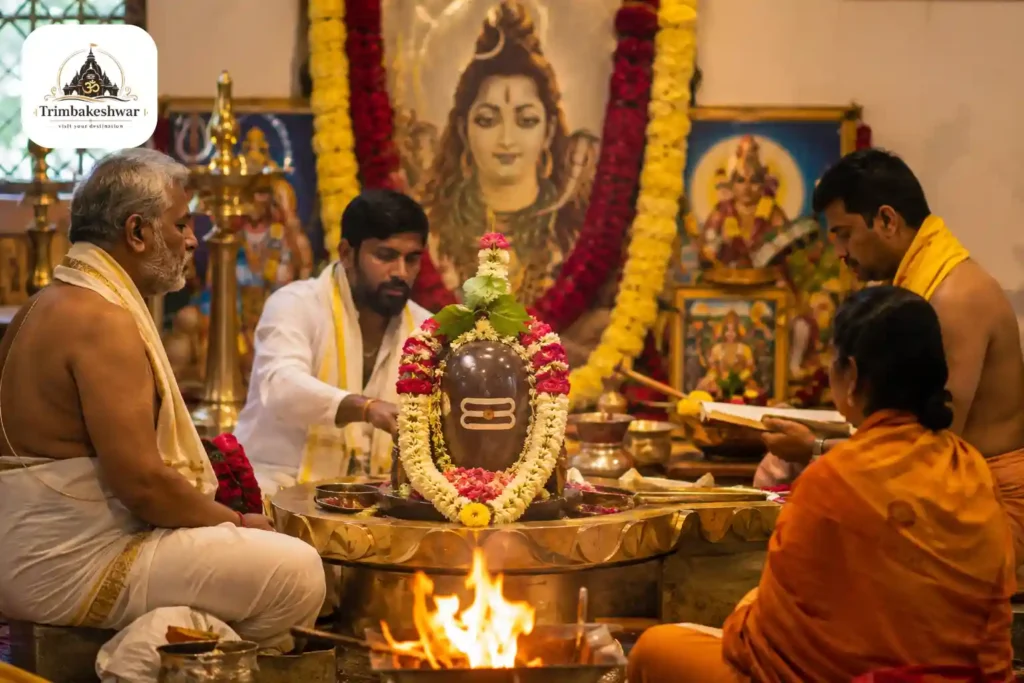
When someone you love is seriously unwell — or you yourself are facing a health scare that medicine alone hasn’t fully explained — it’s natural to look for every source of strength you can find. This is exactly why so many families turn to the Maha Mrityunjay Puja for health recovery. It’s one of the oldest and most trusted healing rituals in Hindu tradition, built around a mantra believed to protect against illness, fear, and untimely death.
This guide walks through what the puja actually involves, when it’s typically recommended, how it’s performed, and — just as importantly — how it fits alongside (not instead of) proper medical care. If you’re trying to decide whether this puja is right for your situation, you’ll find a clear, honest answer here rather than exaggerated claims.
What Is Maha Mrityunjay Puja Used For?
Maha Mrityunjay Puja is a Vedic ritual centered on chanting the Maha Mrityunjaya Mantra, dedicated to Lord Shiva as the healer and protector of life. It is most commonly recommended during serious illness, slow recovery after surgery, chronic disease, or unexplained health struggles, as a source of spiritual strength and mental peace alongside ongoing medical treatment.
What Is Maha Mrityunjay Puja?
Maha Mrityunjay Puja is a ritual worship of Lord Shiva performed through the chanting of the Maha Mrityunjaya Mantra — often called the “death-conquering mantra.” The puja typically includes an abhishek (ritual bathing of the Shiva Lingam), havan (fire ritual), and a fixed number of mantra chants performed by qualified Vedic priests.
The word “Mrityunjaya” itself means “victory over death,” and the mantra is one of the most revered in the entire Hindu tradition. It appears in the Rigveda and is later expanded upon in the Yajurveda, making it thousands of years old.
The Meaning Behind the Maha Mrityunjaya Mantra
The mantra reads:
“Om Tryambakam Yajamahe Sugandhim Pushtivardhanam, Urvarukamiva Bandhanan Mrityor Mukshiya Maamritat”
In simple terms, this translates to a prayer to the three-eyed Lord Shiva, who nourishes and nurtures all beings, asking to be liberated from the fear of death just as a ripe cucumber effortlessly separates from its vine. It’s a metaphor for a peaceful, timely, and graceful release from suffering — not a magical cure, but a request for strength, protection, and acceptance.
Origin and Significance in Hindu Scriptures
According to tradition, sage Markandeya chanted this mantra to overcome an untimely death predicted for him, which is why it’s so closely associated with health, longevity, and recovery. For centuries, it has been chanted both preventively (for general well-being) and specifically during illness, making Mahamrityunjay puja for health one of its most common modern applications.
Why Is Maha Mrityunjay Puja Recommended for Health Recovery?
Families and individuals typically turn to this puja in a handful of specific situations. Here’s when it’s most commonly recommended, and why.
Chronic or Long-Term Illness
When a health condition drags on for months or years despite consistent treatment, many people seek additional spiritual support alongside their medical care. The puja is often performed to bring mental resilience and a sense of calm to both the patient and the family during a long, exhausting treatment journey.
Recovery After Major Surgery
Surgery — especially major or high-risk surgery — brings uncertainty even when it goes well. Many families schedule this puja either just before a surgery for strength and protection, or during the recovery period to support healing and reduce anxiety.
Life-Threatening or Serious Health Conditions
This is historically the most significant use of the mantra. When a diagnosis feels overwhelming, the ritual is performed as an act of faith and surrender, asking for protection and a path toward recovery.
Unexplained or Prolonged Health Issues
Sometimes tests come back inconclusive, or symptoms persist without a clear medical explanation. In these cases, some families choose to combine continued medical investigation with this puja, treating it as emotional and spiritual support during a confusing time.
Mental and Emotional Healing Alongside Physical Recovery
Illness doesn’t only affect the body — it affects sleep, mood, relationships, and outlook. Many people report that the ritual itself, and the discipline of chanting or attending it, brings a genuine sense of calm that supports their emotional recovery even while medical treatment addresses the physical side.
Benefits of Mahamrityunjay Puja for Health: What People Report
While the puja is a matter of faith rather than a clinical intervention, these are the benefits most commonly associated with it:
- Mental peace and reduced anxiety during a stressful health journey
- A sense of protection and spiritual strength for the patient and family
- Emotional support for caregivers, who often carry significant stress themselves
- A structured way to process fear around serious or life-threatening illness
- Community and family bonding, since the ritual is often attended by close family
- Renewed hope and motivation to continue medical treatment consistently
None of these are medical claims — they are the reasons people describe finding the ritual meaningful during difficult times.
When Should You Perform Maha Mrityunjay Puja?
There’s no single “correct” time — the puja can be performed whenever the need arises. That said, certain days are traditionally considered more auspicious.
Best Days and Muhurat for the Puja
| Occasion | Why It’s Considered Auspicious |
|---|---|
| Mondays (Shiva’s day) | Traditionally the most favorable day for any Shiva ritual |
| Maha Shivratri | The most significant Shiva festival of the year |
| Pradosh Vrat days | Believed to be especially powerful for Shiva worship |
| Solar or Lunar eclipse days | Considered spiritually potent for protective mantras |
| Any day during an active health crisis | Performed as needed, regardless of the calendar |
Can It Be Performed Anytime During an Illness?
Yes. While auspicious dates add traditional significance, most priests agree the puja can — and should — be performed as soon as the need arises, rather than waiting for a specific date. Health emergencies don’t wait for a calendar, and neither should this ritual if your family feels the need for it.
How Is Maha Mrityunjay Puja Performed at Trimbakeshwar?
Trimbakeshwar, home to one of the twelve Jyotirlingas, is considered one of the most powerful places to perform this puja due to its deep association with Lord Shiva. Here’s what the process typically looks like.
Samagri (Materials) Used
A typical puja includes:
- Bilva (bel) leaves, considered sacred to Shiva
- Milk, honey, and water for abhishek
- Sandalwood paste and vibhuti (sacred ash)
- Flowers, particularly white and light-colored ones
- Havan samagri (ritual ingredients for the fire ceremony)
- Rudraksha and other traditional offerings
Duration and Jaap Sankhya (Number of Chants)
The mantra is typically chanted in specific counts — commonly 11,000, 51,000, or 1,25,000 times, depending on the severity of the situation and the family’s wishes. A basic puja can be completed in a single day, while a full jaap with havan may take multiple days when performed at a larger scale.
Can the Puja Be Done Remotely for a Patient Who Can’t Travel?
Yes. This is one of the most common questions families ask, and the answer matters because the patient is often too unwell to travel. In most cases, the pandit performs the puja at Trimbakeshwar on behalf of the patient using their name and birth details (sankalp), while the family stays connected remotely by phone or video call. Many providers now also share photo or video confirmation of the ritual being completed.
Maha Mrityunjay Puja vs Other Approaches: How It Fits In
It helps to see where this puja fits relative to other things families often consider during a health crisis.
| Approach | Purpose | Replaces Medical Treatment? |
|---|---|---|
| Maha Mrityunjay Puja | Spiritual strength, protection, mental peace | No |
| Rudrabhishek Puja | General worship for peace, health, prosperity | No |
| Ayurveda/lifestyle changes | Complementary wellness support | Only for minor, non-serious issues, and only with professional guidance |
| Prescribed medical treatment | Diagnosis, treatment, and cure of illness | This is the primary path — always continue it |
This comparison matters because the puja works best as one part of a bigger picture, not a stand-alone solution.
Important: This Puja Supports You — It Doesn't Replace Medical Treatment
This needs to be said clearly and honestly: Maha Mrityunjay Puja is a spiritual and emotional support practice rooted in faith. It is not a medical treatment, and it should never be used as a reason to delay, avoid, or stop consulting a doctor.
If you or a loved one are dealing with a serious health condition, please continue working with qualified medical professionals for diagnosis and treatment. Many families find real comfort in doing both — following their doctor’s guidance fully, while also performing this puja for the emotional and spiritual strength it offers during a hard time. That combination, not a replacement of one for the other, is how this ritual is traditionally meant to be used.
How to Book Maha Mrityunjay Puja for Health Recovery
If you’ve decided this puja is something your family wants to perform, here’s a simple outline of the process:
- Share the patient’s details — name, birth details if available, and the health concern (in general terms) with your chosen pandit for the sankalp.
- Choose the scale — a shorter single-day puja or a larger jaap with a specific mantra count, based on the situation and your family’s wishes.
- Confirm the date — either an auspicious day like a Monday or Pradosh, or simply the earliest available date if the need is urgent.
- Ask about remote participation — if the patient or family can’t travel to Trimbakeshwar, confirm how the puja will be performed on their behalf and how you’ll receive confirmation.
- Clarify the cost and samagri included — get this in writing before booking, so there are no surprises.
(See our step-by-step guide to booking pujas online and our Rudrabhishek Puja guide for related rituals often performed alongside this one.)
Frequently Asked Questions
- What is Maha Mrityunjay Puja used for? It is performed to seek protection, healing support, and mental strength during illness, surgery recovery, or serious health conditions. It’s a spiritual practice meant to complement, not replace, medical treatment for the patient.
- How many times should the Maha Mrityunjaya Mantra be chanted for health recovery? Common counts are 11,000, 51,000, or 1,25,000 chants, depending on the severity of the situation and family preference. A qualified pandit can help you decide the right count for your circumstances.
- Can Maha Mrityunjay Puja cure a disease? No. The puja is a faith-based spiritual practice for strength and peace of mind, not a medical cure. Please continue all prescribed medical treatment alongside performing this ritual.
- Is it necessary to perform this puja at Trimbakeshwar specifically? It’s not strictly necessary, but Trimbakeshwar is considered especially powerful due to its Jyotirlinga significance. Many families choose it specifically for this reason, though the mantra can be chanted at home or any Shiva temple too.
- Can the puja be done if the patient cannot travel? Yes. The pandit can perform the puja on the patient’s behalf using their name and birth details, while the family participates remotely by phone or video call, with photo or video confirmation typically provided.
- How long does the puja take to complete?A basic puja can be completed in a single day, while a larger jaap with havan and a higher mantra count may take multiple days depending on the scale chosen.
- Is Maha Mrityunjay Puja only for very serious illnesses? No. While it’s traditionally associated with serious health situations, many families also perform it for general well-being, before surgery, or during any period of prolonged health struggle.
- What is the difference between Maha Mrityunjay Puja and Rudrabhishek? Rudrabhishek is a broader worship ritual for peace, prosperity, and health in general, while Maha Mrityunjay Puja is specifically centered on the death-conquering mantra for protection and healing. Some families choose to perform both together.
- Do I need to be present in person for the puja to be effective? Physical presence is not considered essential — sankalp (ritual intent) can be taken on the patient’s behalf even remotely. What matters most, according to tradition, is the sincerity of intent behind the ritual.
- How much does Maha Mrityunjay Puja cost at Trimbakeshwar? Costs vary based on the mantra count, duration, and whether a havan is included. Always ask your chosen pandit for a full, written cost breakdown before booking so you know exactly what’s included.
Final Thoughts
For many families, the Maha Mrityunjay Puja for health recovery offers something medicine alone can’t always provide: a sense of peace, protection, and shared hope during one of life’s hardest moments. It doesn’t replace the work of doctors and medical treatment, but for those who find comfort in this tradition, it can be a meaningful source of strength to lean on alongside it.
If you’re considering this puja for yourself or a loved one, take the time to choose a genuine, experienced pandit, be clear about your circumstances, and remember that the ritual works best as one part of a complete approach to healing — not a substitute for the medical care your situation needs.
This article is intended for informational and spiritual guidance purposes only and is not a substitute for professional medical advice, diagnosis, or treatment. Always consult a qualified healthcare provider for any health condition.