
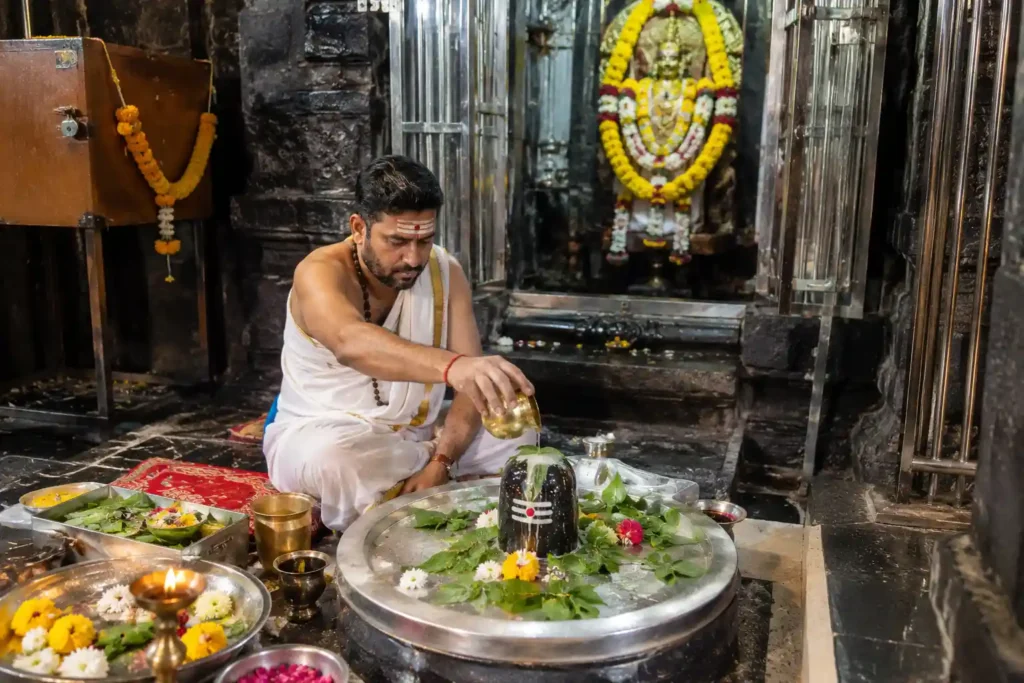
If you are planning to perform a sacred ritual such as Narayan Nagbali Puja, Kaal Sarp Dosh Puja, Tripindi Shradh, or Rudrabhishek in Trimbakeshwar, you may have come across the term Tamrapatradhari Pandit. Many devotees are curious about its meaning and why it is frequently mentioned when booking religious ceremonies. Understanding the Tamrapatradhari Pandit Trimbakeshwar meaning can help you make an informed decision while arranging important Vedic rituals. Traditionally, a Tamrapatradhari Pandit is associated with hereditary priestly families that have long-standing rights and responsibilities connected with performing specific religious ceremonies in Trimbakeshwar. The term is linked to Tamrapatra, meaning a copper plate inscription that historically recorded privileges or religious duties. Today, devotees often look for Tamrapatradhari Pandits because of their knowledge of Vedic traditions, familiarity with temple customs, and experience conducting sacred rituals according to established practices. In this guide, we explain who they are, their historical significance, how they differ from other priests, and what you should know before booking a puja in Trimbakeshwar.
What Does Tamrapatradhari Mean?
The word Tamrapatradhari is derived from two Sanskrit terms: “Tamra,” meaning copper, and “Patra,” meaning plate or document. Historically, important grants, privileges, and official records in India were often engraved on copper plates known as Tamrapatras. These inscriptions documented land grants, religious rights, temple responsibilities, and hereditary privileges granted by rulers or religious authorities. In the context of Trimbakeshwar, the term Tamrapatradhari Pandit traditionally refers to members of priestly families whose religious responsibilities have been associated with such historical records and long-established temple traditions. Over generations, these families have preserved Vedic knowledge, Sanskrit chanting, and ritual procedures connected with important ceremonies. While the historical background explains the origin of the term, devotees today generally associate Tamrapatradhari Pandits with experienced priests who are well-versed in the customs and rituals practiced in Trimbakeshwar. Understanding this background helps visitors appreciate why many pilgrims specifically seek these priests when arranging significant religious ceremonies.
Who Is a Tamrapatradhari Pandit?
A Tamrapatradhari Pandit is traditionally associated with hereditary priestly families in Trimbakeshwar who have preserved Vedic rituals, Sanskrit recitation, and temple customs across generations. These priests are known for performing important Hindu ceremonies such as Narayan Nagbali Puja, Kaal Sarp Dosh Puja, Tripindi Shradh, Rudrabhishek, Mahamrityunjaya Jaap, and other Shiva-related rituals according to established Vedic traditions. Many devotees prefer seeking guidance from Tamrapatradhari Pandits because of their extensive experience with the religious practices followed in Trimbakeshwar. While the historical term is linked to copper plate (Tamrapatra) records and traditional priestly rights, modern devotees generally use it to refer to priests belonging to these long-established lineages. Choosing an experienced and knowledgeable priest helps ensure that the puja is performed with the correct mantras, prescribed ritual sequence, and respect for temple traditions. For pilgrims visiting Trimbakeshwar for the first time, understanding who a Tamrapatradhari Pandit is can make the process of selecting a priest more informed and reassuring.
History of the Tamrapatradhari Tradition in Trimbakeshwar
The tradition of Tamrapatradhari Pandits has deep historical roots connected with the religious heritage of Trimbakeshwar, one of the twelve sacred Jyotirlingas dedicated to Lord Shiva. In ancient and medieval India, kings and rulers frequently issued Tamrapatras (copper plate inscriptions) to record land grants, temple responsibilities, and hereditary religious privileges. These records served as permanent legal and religious documents that preserved the rights and duties of families entrusted with temple service. Over centuries, priestly families associated with Trimbakeshwar continued performing sacred Vedic rituals while maintaining traditional knowledge passed down from one generation to the next. Their expertise in Sanskrit chanting, ritual procedures, and temple customs became an integral part of the pilgrimage experience for countless devotees. Although the administrative systems governing temples have evolved over time, the historical association of Tamrapatradhari families with Trimbakeshwar remains an important aspect of the temple’s cultural and religious identity. Today, many pilgrims continue to value this heritage when selecting priests for significant ceremonies.
Why Does Choosing a Tamrapatradhari Pandit Matter?
Choosing a Tamrapatradhari Pandit is important for many devotees because major Hindu rituals often involve detailed Vedic procedures, Sanskrit mantras, and traditional practices that require careful guidance. Ceremonies such as Narayan Nagbali, Tripindi Shradh, and Kaal Sarp Dosh Puja are conducted according to established religious traditions, and experienced priests help devotees understand the sequence of rituals, required offerings, and spiritual significance of each step. Beyond performing the ceremony, knowledgeable priests also answer questions, explain the purpose of different rituals, and guide families throughout the process. For first-time visitors to Trimbakeshwar, this guidance can make the experience more comfortable and meaningful. While sincere devotion is the foundation of every puja, many devotees appreciate the confidence that comes from working with priests who have extensive experience conducting these ceremonies within the traditions of Trimbakeshwar. Selecting a reputable priest also helps pilgrims plan their visit more efficiently and avoid confusion regarding puja arrangements.
Are All Priests in Trimbakeshwar Tamrapatradhari?
No. Not every priest serving in or around Trimbakeshwar is necessarily associated with the traditional Tamrapatradhari lineage. The term generally refers to priestly families historically connected with hereditary temple responsibilities and long-standing Vedic traditions. Many qualified priests serve devotees in Trimbakeshwar, but those described as Tamrapatradhari are often identified through their family lineage and traditional association with specific religious duties. If this distinction is important to you, ask respectfully about the priest’s background and experience before booking a ceremony.
How to Identify a Genuine Tamrapatradhari Pandit
Before booking a puja, it is helpful to verify the priest’s credentials and experience.
Checklist for Devotees
✔ Ask about the priest’s family tradition and experience.
✔ Confirm the puja procedure and inclusions.
✔ Request a clear explanation of the rituals.
✔ Read genuine reviews from previous devotees.
✔ Ensure pricing is transparent.
✔ Avoid anyone who guarantees supernatural outcomes or makes unrealistic promises.
✔ Book through trusted sources or established contacts.
Benefits of Choosing a Tamrapatradhari Pandit
| Benefit | Description |
|---|
| Traditional Knowledge | Familiarity with long-standing Vedic rituals and temple customs. |
| Ritual Guidance | Clear explanation of every step of the ceremony. |
| Sanskrit Chanting | Proper recitation of Vedic mantras according to tradition. |
| Experience | Extensive practical experience conducting important pujas. |
| Pilgrim Support | Assistance with puja arrangements and ritual requirements. |
| Cultural Heritage | Continuation of Trimbakeshwar’s historic priestly traditions. |
Pujas Commonly Performed by Tamrapatradhari Pandits
- Narayan Nagbali Puja
- Kaal Sarp Dosh Puja
- Tripindi Shradh
- Rudrabhishek Puja
- Mahamrityunjaya Jaap
- Laghu Rudra
- Maha Rudra
- Graha Shanti Puja
- Pitra Dosh Nivaran Puja
- Navagraha Shanti
Frequently Asked Questions (FAQs)
1. What is a Tamrapatradhari Pandit?
A Tamrapatradhari Pandit is traditionally associated with hereditary priestly families in Trimbakeshwar who preserve Vedic rituals and temple customs passed down through generations. Many devotees choose them for ceremonies such as Narayan Nagbali, Kaal Sarp Dosh Puja, Tripindi Shradh, and Rudrabhishek because of their experience with local religious traditions.
2. What does Tamrapatradhari mean?
The word Tamrapatradhari comes from the Sanskrit words Tamra (copper) and Patra (plate or document). Historically, copper plate inscriptions recorded religious responsibilities, privileges, and hereditary temple duties. The term is now commonly associated with priestly families connected to these long-standing traditions in Trimbakeshwar.
3. Why should I choose a Tamrapatradhari Pandit?
Many devotees prefer a Tamrapatradhari Pandit because they are experienced in performing Vedic rituals according to the customs followed in Trimbakeshwar. They also provide guidance on the ritual process, required offerings, and the significance of each step, helping devotees participate with greater understanding.
4. Are all priests in Trimbakeshwar Tamrapatradhari?
No. While many qualified priests serve devotees in Trimbakeshwar, not all belong to the traditional Tamrapatradhari lineage. If this distinction is important to you, ask respectfully about the priest’s family background, experience, and association with the local traditions before booking a puja.
5. How can I identify a genuine Tamrapatradhari Pandit?
Choose a priest with transparent communication, a clear explanation of the rituals, genuine reviews from previous devotees, and reasonable pricing. You can also ask about their family tradition and experience. Avoid anyone making unrealistic guarantees or promising miraculous results.
6. Which pujas do Tamrapatradhari Pandits perform?
They commonly perform important Vedic ceremonies such as Narayan Nagbali Puja, Kaal Sarp Dosh Puja, Tripindi Shradh, Rudrabhishek, Mahamrityunjaya Jaap, Laghu Rudra, Maha Rudra, Graha Shanti, Pitra Dosh Nivaran, and other Shiva-related rituals according to established traditions.
7. Is a Tamrapatradhari Pandit government certified?
The term Tamrapatradhari is rooted in historical and traditional religious practices rather than a modern government certification. It refers to hereditary priestly traditions associated with Trimbakeshwar. If you have questions about a specific priest’s credentials, ask them directly before arranging a puja.
8. Why are Tamrapatradhari Pandits important in Trimbakeshwar?
They help preserve centuries-old Vedic traditions, temple customs, and Sanskrit chanting associated with one of India’s twelve Jyotirlingas. Their knowledge and experience assist devotees in understanding and participating in important rituals according to established local practices.
9. Can Tamrapatradhari Pandits perform Narayan Nagbali Puja?
Yes. Many Tamrapatradhari Pandits perform Narayan Nagbali Puja and other traditional Vedic ceremonies in Trimbakeshwar. Before booking, discuss the complete ritual, inclusions, duration, and any preparations required so you know what to expect during the ceremony.
10. How do I book a Tamrapatradhari Pandit in Trimbakeshwar?
Contact a trusted priest or an established temple service provider in advance, especially during Shravan, Mahashivratri, or festival seasons. Confirm the puja date, required documents or items, fees, and any travel or accommodation arrangements before finalizing your booking.
Conclusion
Understanding the Tamrapatradhari Pandit Trimbakeshwar meaning helps devotees make informed decisions when planning important religious ceremonies at one of India’s most revered Jyotirlingas. The term reflects a long-standing priestly tradition connected with Trimbakeshwar’s rich spiritual heritage and Vedic practices. While many qualified priests serve devotees with dedication, Tamrapatradhari Pandits are often recognized for their association with hereditary traditions and their familiarity with local temple customs. Whether you are visiting for Narayan Nagbali Puja, Kaal Sarp Dosh Puja, Tripindi Shradh, Rudrabhishek, or another sacred ritual, choosing an experienced and trustworthy priest can make your pilgrimage more organized and meaningful. Before booking any ceremony, ask questions, understand the ritual process, confirm the arrangements, and choose a priest who communicates clearly and follows traditional practices. Above all, remember that faith, devotion, and sincere intention remain the heart of every Hindu ritual, regardless of who performs it. A well-planned visit combined with proper guidance can help create a fulfilling spiritual experience at the sacred Trimbakeshwar Temple.