
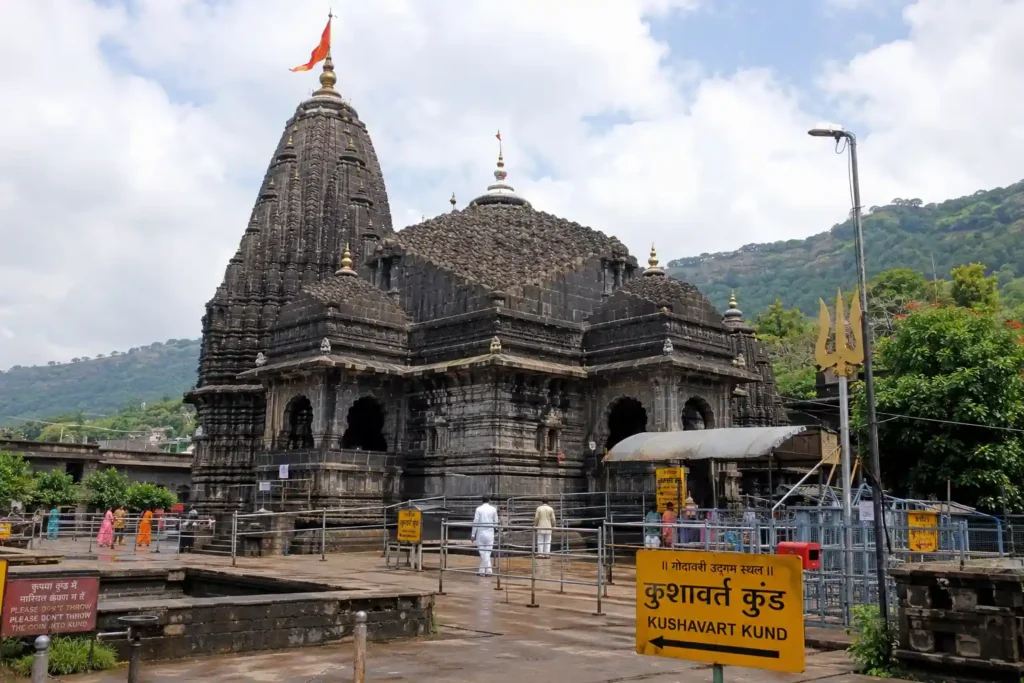
Planning a spiritual journey to Trimbakeshwar involves more than simply choosing a travel date. The best time to visit Trimbakeshwar depends on the type of puja you wish to perform, the weather, temple crowd, major Hindu festivals, and your overall travel preferences. As one of the twelve sacred Jyotirlingas dedicated to Lord Shiva, Trimbakeshwar attracts thousands of devotees throughout the year for rituals such as Narayan Nagbali Puja, Kaal Sarp Dosh Puja, Tripindi Shradh, Rudrabhishek, and Mahamrityunjaya Jaap. Each season offers a unique spiritual atmosphere, from the vibrant celebrations of Shravan and Mahashivratri to the peaceful environment of the winter months. Understanding the weather, temple schedules, and pilgrimage seasons can help you avoid heavy crowds, secure accommodation more easily, and choose the most suitable time for your visit. In this complete month-by-month guide, you’ll discover the ideal months for different pujas, travel tips, and practical advice to make your pilgrimage comfortable and spiritually fulfilling.
Why Timing Matters for Trimbakeshwar Puja
Choosing the best time to visit Trimbakeshwar is important because it can significantly influence your overall pilgrimage experience. While the temple remains open throughout the year and daily rituals continue according to tradition, factors such as seasonal weather, crowd levels, accommodation availability, and festival celebrations can affect your visit. During auspicious periods like Shravan, Mahashivratri, and Pitru Paksha, thousands of devotees arrive from across India, creating a vibrant but crowded atmosphere. On the other hand, the winter months often provide pleasant weather and shorter waiting times, making them ideal for families and senior citizens. If you are planning to perform special rituals such as Kaal Sarp Dosh Puja or Narayan Nagbali Puja, coordinating your travel with your Pandit’s recommended dates is equally important. Understanding these factors ensures that you can experience the spiritual significance of Trimbakeshwar while enjoying a smooth, well-organized pilgrimage.
Best Months to Visit Trimbakeshwar
Month | Weather | Crowd | Best For |
January | Cool & Pleasant | Moderate | Darshan, Rudrabhishek |
February | Pleasant | Moderate | Mahashivratri, Temple Visit |
March | Warm | Moderate | General Pujas |
April | Hot | Low | Peaceful Darshan |
May | Hot | Low | Budget Travel |
June | Monsoon Begins | Moderate | Green Landscapes |
July | Rainy | High | Shravan Preparations |
August | Rainy | Very High | Shravan Puja |
September | Pleasant | Very High | Pitru Paksha |
October | Cool | Moderate | Narayan Nagbali Puja |
November | Pleasant | Moderate | Kaal Sarp Puja |
December | Cool | Low | Family Pilgrimage |
Best Time to Visit Trimbakeshwar for Different Pujas
Every puja performed at Trimbakeshwar has its own religious significance, and while many rituals can be performed throughout the year, certain months are considered more suitable based on weather, temple schedules, and traditional beliefs. If your visit is centered around a specific Vedic ritual rather than general darshan, choosing the right season can make your pilgrimage more comfortable and spiritually meaningful. The following recommendations are based on temple traditions, crowd patterns, and travel convenience rather than mandatory religious requirements.
Puja | Best Time to Visit | Why |
Narayan Nagbali Puja | September – November | Pleasant weather and Pitru Paksha significance |
Kaal Sarp Dosh Puja | October – February | Comfortable climate and moderate crowds |
Tripindi Shradh Puja | Pitru Paksha (September) | Traditionally associated with ancestor rituals |
Rudrabhishek Puja | July – August (Shravan) | Most auspicious month dedicated to Lord Shiva |
Mahamrityunjaya Jaap | Throughout the Year | Can be performed whenever advised by the priest |
Recommendation: If your travel dates are flexible, October to February offers the best combination of pleasant weather, manageable crowds, and comfortable travel conditions.
Major Festivals at Trimbakeshwar
The spiritual atmosphere of Trimbakeshwar becomes even more vibrant during major Hindu festivals. These occasions attract thousands of devotees, making them ideal for those who want to experience grand celebrations. However, accommodation fills quickly, and waiting times for darshan can be significantly longer.
Festival | Month | Highlights |
Mahashivratri | February/March | Night-long worship and special Shiva rituals |
Shravan Month | July–August | Daily Abhishek and Shiva devotion |
Nag Panchami | July/August | Special serpent worship rituals |
Pitru Paksha | September | Narayan Nagbali & Tripindi Shradh |
Kartik Purnima | November | Holy bath and temple celebrations |
Somvati Amavasya | Varies | Special prayers and large pilgrim gatherings |
Weather Guide for Trimbakeshwar
Knowing the seasonal weather helps you pack appropriately and plan your travel.
Season | Months | Temperature | Travel Experience |
Winter | November–February | 12°C–28°C | Excellent |
Summer | March–May | 25°C–38°C | Hot but less crowded |
Monsoon | June–September | 20°C–30°C | Green landscapes with regular rainfall |
Travel Tips for Visiting Trimbakeshwar
A little preparation can make your pilgrimage smoother and more enjoyable. Since Trimbakeshwar is a major pilgrimage destination, especially during festival seasons, planning ahead helps avoid unnecessary inconvenience. Booking your accommodation, puja, and transportation in advance ensures a stress-free journey and allows you to focus on the spiritual purpose of your visit.
Essential Travel Tips
- Book accommodation early during Shravan and Mahashivratri.
- Schedule pujas in advance with an experienced Tamrapatra Dhari Pandit.
- Wear comfortable traditional clothing suitable for temple rituals.
- Carry a valid government ID and booking confirmation.
- Visit the temple early in the morning to avoid long queues.
- Keep an umbrella or raincoat during the monsoon season.
- Respect temple dress codes and local customs.
- Stay hydrated during summer visits.
Accommodation Tips
Trimbakeshwar offers accommodation options for every budget, from simple dharamshalas to modern hotels. During major festivals, room availability becomes limited, so booking at least a few weeks in advance is recommended. If you are travelling with elderly family members, choose accommodation close to the temple for easier access.
Types of Accommodation
- Budget Lodges
- Dharamshalas
- Mid-range Hotels
- Premium Hotels
- Family Guest Houses
Frequently Asked Questions (FAQs)
1. Which is the best month to visit Trimbakeshwar?
October to February is generally considered the best period because of the pleasant weather, comfortable travel conditions, and moderate crowds. These months are suitable for darshan, sightseeing, and most Vedic pujas.
2. Is Shravan a good time to visit Trimbakeshwar?
Yes. Shravan is one of the most sacred months dedicated to Lord Shiva. The temple hosts special rituals and attracts large numbers of devotees, creating a vibrant spiritual atmosphere despite heavier crowds.
3. How many days are enough for Trimbakeshwar?
A one-day visit is sufficient for darshan. If you are performing rituals such as Narayan Nagbali Puja, you should plan for at least three days, while Kaal Sarp Dosh Puja is often completed in one day.
4. Can I visit Trimbakeshwar during the monsoon?
Yes. The monsoon transforms the surrounding hills into lush green landscapes. Carry rain gear and check weather conditions before travelling, as heavy rainfall can occasionally affect road travel.
5. Which is the best time for Narayan Nagbali Puja?
Many devotees prefer September to November, especially during or around Pitru Paksha. However, the ritual can also be performed on other suitable dates as advised by an experienced Pandit.
6. Which month is best for Kaal Sarp Dosh Puja?
October to February is often preferred because of the pleasant climate and easier travel. The exact date should be finalized after consulting your Pandit.
7. What should I wear when visiting Trimbakeshwar Temple?
Wear clean, modest, and traditional clothing. Men commonly wear kurta-pajama or dhoti, while women typically wear sarees or salwar suits, especially when participating in pujas.
8. Is Trimbakeshwar crowded on weekends?
Yes. Weekends, Mondays, public holidays, and festival periods usually experience higher visitor numbers. Arriving early in the morning can help reduce waiting time.
9. Do I need to book my puja in advance?
Yes. Advance booking is recommended, particularly during Shravan, Mahashivratri, and Pitru Paksha, when experienced priests and accommodation are in high demand.
10. Can senior citizens comfortably visit Trimbakeshwar?
Yes. The winter months from November to February are particularly comfortable for senior citizens because of the mild weather and manageable crowd levels.
Conclusion
Choosing the best time to visit Trimbakeshwar depends on your purpose of travel, preferred weather, and the type of spiritual experience you seek. If you are looking for comfortable temperatures, peaceful darshan, and easier accommodation, October to February is the ideal season. Devotees who wish to experience the grandeur of Lord Shiva’s festivals should plan their pilgrimage during Shravan or Mahashivratri, while families performing ancestral rituals often prefer Pitru Paksha.
Regardless of when you visit, planning ahead by booking your puja, accommodation, and travel arrangements in advance ensures a smooth and meaningful pilgrimage. With proper preparation and sincere devotion, a visit to Trimbakeshwar Jyotirlinga can become a memorable spiritual journey for you and your family.