
Pitra Dosh Puja in Trimbakeshwar: Cost, Vidhi, Dates & Booking
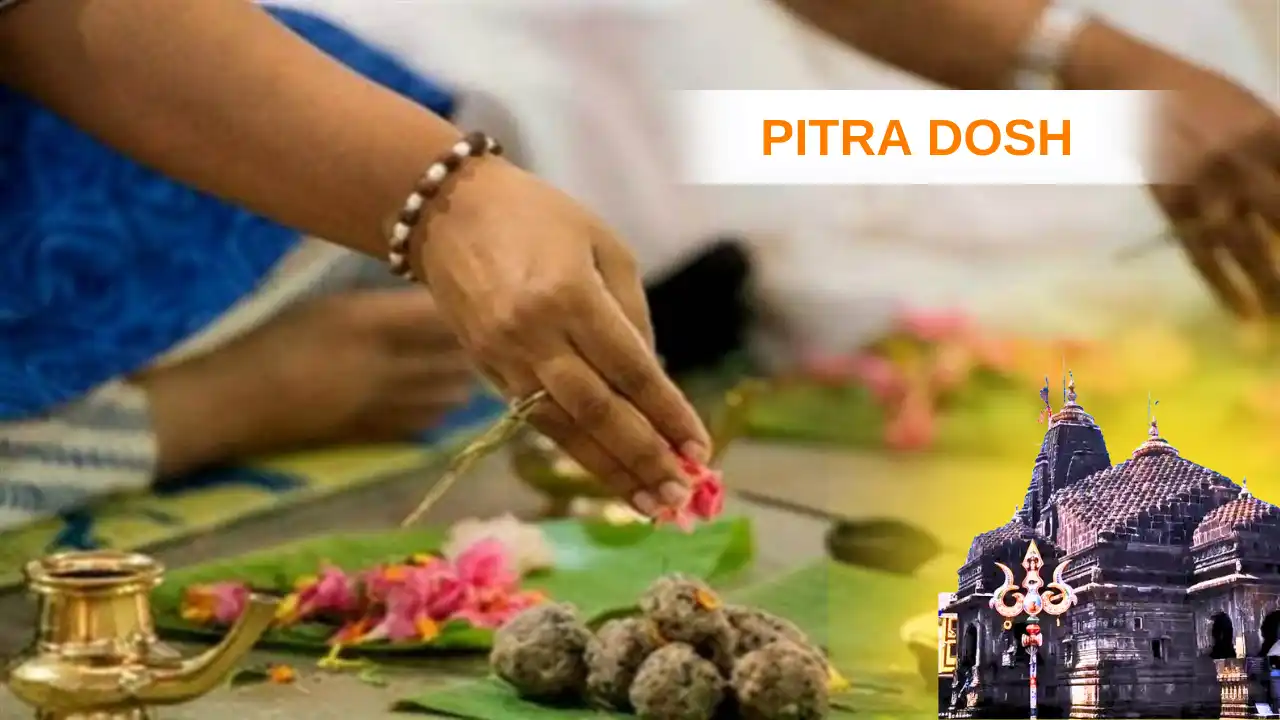
Pitra Dosh Puja is a traditional Hindu ritual performed to honour departed ancestors and offer prayers for their peace. The ceremony may include Tarpan, Shraddha, Pind Daan, mantra chanting and other rituals according to the family's tradition and the guidance of a Pandit Ji.
In Hindu astrology, Pitra Dosh is associated with certain interpretations of a person's Kundali and ancestral obligations. People who have been advised to perform Pitra Dosh Nivaran Puja often look for a priest who can explain the ritual, suitable dates and required arrangements.
Trimbakeshwar, near Nashik in Maharashtra, is an important pilgrimage destination associated with Lord Shiva and traditional ancestral rituals. Devotees visit this sacred town to perform various pujas under the guidance of experienced local priests.
If you are planning Pitra Dosh Puja in Trimbakeshwar, you can enquire about the puja Vidhi, cost, Muhurat, samagri and booking availability before travelling.
Book Pitra Dosh Puja on WhatsAppWhat Is Pitra Dosh?
Pitra Dosh is a concept in Vedic astrology associated with ancestral obligations and certain planetary combinations in a birth chart. Different astrological traditions interpret it in different ways.
Some devotees believe that observing ancestral rituals, offering prayers and performing Shraddha can help them fulfil religious responsibilities towards their ancestors. When Pitra Dosh is identified through a Kundali reading, a priest or astrologer may suggest particular rituals based on the person's circumstances and tradition.
It is important not to identify Pitra Dosh simply from financial difficulties, delayed marriage, family disagreements or other problems in life. These experiences can have many causes. If you want an astrological interpretation, consult a knowledgeable astrologer who can explain the reasoning behind the assessment.
Why Is Pitra Dosh Puja Performed?
Pitra Dosh Puja is performed by devotees who wish to honour their ancestors and follow traditional practices associated with ancestral worship.
Common reasons for performing the puja include:
- Offering prayers in remembrance of departed family members.
- Performing Tarpan and other prescribed ancestral rites.
- Seeking peace for departed souls according to Hindu belief.
- Observing family traditions related to Shraddha and Pind Daan.
- Addressing concerns associated with Pitra Dosh as interpreted in Vedic astrology.
- Seeking spiritual reassurance through prayer and religious observance.
The exact purpose and procedure can differ from one family to another. If you have been advised to perform Pitra Dosh Nivaran Puja, ask the Pandit Ji why it has been recommended and what the ceremony will involve.
Why Perform Pitra Dosh Puja at Trimbakeshwar?
Trimbakeshwar is a well-known pilgrimage destination in Nashik district, Maharashtra. It is home to Trimbakeshwar Jyotirlinga, one of the twelve traditionally recognised Jyotirlingas of Lord Shiva, and is closely associated with the Godavari River.
Kushavarta Kund is an important sacred bathing place in the town. Devotees visit the Trimbakeshwar area for Shiva worship, Tarpan, Shraddha and other religious observances.
For many families, performing ancestral rituals at Trimbakeshwar is a way to follow their religious traditions at a place with longstanding spiritual significance.
If you are visiting for Pitra Dosh Puja, confirm the ceremony's exact location with your Pandit Ji. Ask whether the puja will be conducted near Kushavarta Kund or at another designated place, and whether any additional arrangements are needed.
Pitra Dosh Puja Vidhi: How Is the Ritual Performed?
The exact Pitra Dosh Puja Vidhi depends on the prescribed ritual, the family's tradition and the priest's guidance. A ceremony may include the following steps.
Sankalp
The puja begins with Sankalp, during which the devotee states the intention of performing the ritual. The Pandit Ji explains what information is needed for this part of the ceremony.
Initial Prayers and Deity Worship
Prayers are offered at the beginning of the ceremony. Depending on the procedure, this may include worship of Lord Ganesha and other deities.
Tarpan
Tarpan involves making ritual water offerings in remembrance of ancestors. The priest guides the devotee through the traditional method.
Shraddha and Pind Daan
Where prescribed, Shraddha and Pind Daan form part of the ancestral observances. The offerings and prayers are performed according to the ritual tradition followed by the Pandit Ji.
Mantra Chanting and Havan
The priest may recite specific mantras and conduct a Havan if it forms part of the selected puja. The exact prayers and duration depend on the ceremony.
Final Prayers and Traditional Offerings
The remaining prayers and offerings are completed. Daan or other customary observances may be included according to the family's wishes and the priest's guidance.
Please note: Not every Pitra Dosh Puja follows the same procedure. Confirm which rituals are included in your booking rather than assuming that every ceremony includes all the steps listed above.
When Should Pitra Dosh Puja Be Performed?
Amavasya and Pitru Paksha are traditionally associated with ancestral worship in Hindu practice. Some families also observe other dates according to their customs and the guidance of their priest.
The most suitable date for Pitra Dosh Nivaran Puja can depend on the purpose of the ceremony, the applicable Panchang and any Kundali-based recommendation.
Before booking, ask your Pandit Ji to confirm:
- The suitable date and Muhurat.
- The expected starting time.
- Whether the puja requires any preparation beforehand.
- Whether you need to bring your Kundali or family details.
If you are travelling from outside Nashik, confirm the date and timing before arranging transport or accommodation.
Pitra Dosh Puja Cost in Trimbakeshwar
The cost of Pitra Dosh Puja depends on the type of ceremony and the arrangements included. The estimated range is ₹5,000–₹15,000, subject to confirmation of the current price.
The final amount may depend on:
- The puja procedure and any additional rituals.
- Puja samagri and other offerings.
- The number of priests involved.
- Havan or other arrangements, where applicable.
- Dakshina and any voluntary donations.
Before confirming your booking, ask for the total cost and a clear explanation of what is included. This helps avoid confusion on the day of the puja.
What Puja Samagri Is Required?
The required samagri depends on the ritual being performed. Your Pandit Ji can provide a list of the materials needed for your particular ceremony.
Preparations may include traditional puja items, flowers, rice, water, sesame seeds, offerings for Tarpan or Pind Daan, and other materials prescribed by the priest.
Some priests arrange the samagri as part of the booking, while others may ask devotees to bring certain items. Confirm these details in advance, along with any clothing requirements and the information needed for Sankalp.
You do not need to purchase a long list of materials without first checking what is actually required.
Pitra Dosh and Kundali: Is Horoscope Analysis Necessary?
In Vedic astrology, Pitra Dosh is generally assessed through the person's Kundali. An astrologer may consider particular planetary placements and their relationship to other parts of the horoscope, depending on the astrological tradition followed.
There is no single universal interpretation accepted by every astrologer. If someone has told you that you have Pitra Dosh, ask them to explain the astrological reasoning and the ritual they recommend.
If you already have a Kundali assessment, you can share the relevant details with your Pandit Ji before booking. Ask whether the proposed puja matches the recommendation you received and whether a separate astrological consultation is required.
A Kundali assessment is part of an astrological belief system; it should not be used as a substitute for professional help with health, financial, relationship or other practical concerns.
Pitra Dosh Nivaran: Traditional Remedies
Traditional practices associated with Pitra Dosh may include:
- Pitra Dosh Puja according to the prescribed ritual.
- Tarpan and Shraddha observances.
- Pind Daan, where appropriate.
- Prayers and mantra chanting.
- Worship of Lord Shiva or Lord Vishnu according to family tradition.
- Daan and other acts of charity.
- Observing customary ancestral rituals on appropriate dates.
The suitable practice depends on the person's beliefs, family customs and the advice of a knowledgeable priest or astrologer.
These practices hold religious significance for devotees, but no particular ritual can guarantee that financial difficulties, marriage delays, health concerns or other life problems will disappear. Choose a remedy because you understand its traditional purpose, not because you have been frightened into booking it.
Can You Book Pitra Dosh Puja Before Visiting Trimbakeshwar?
Yes. You can contact the Pandit Ji before travelling to discuss the date, ceremony, price and required preparations. Advance confirmation is especially useful during busy pilgrimage periods.
When enquiring, share your preferred date and whether you will be travelling alone or with family. Ask for the ceremony location, reporting time, expected duration and samagri arrangements.
If you cannot visit Trimbakeshwar, ask whether the priest offers any arrangements for devotees who are unable to attend in person. Confirm what such an arrangement involves before making a decision.
Book Pitra Dosh Puja in Trimbakeshwar
If you are planning Pitra Dosh Nivaran Puja, the first step is to understand the ritual and confirm the arrangements with the Pandit Ji.
You can enquire about the available dates, traditional procedure, estimated duration, samagri and total cost before finalising your visit.
Simple Booking Process
Contact the Pandit Ji
Share your preferred date and explain that you wish to enquire about Pitra Dosh Puja.
Discuss the Ritual
Ask about the Vidhi, date, Muhurat, samagri and any Kundali-related information required.
Confirm the Cost and Booking
Check the total price, inclusions, timing and ceremony location before confirming.
Visit Trimbakeshwar
Arrive at the agreed time and follow the Pandit Ji's instructions for the ceremony.
Frequently Asked Questions About Pitra Dosh Puja
1. What is Pitra Dosh Puja?
Pitra Dosh Puja is a traditional Hindu ritual associated with honouring ancestors and addressing concerns related to Pitra Dosh according to religious and astrological beliefs. The procedure may include prayers, Tarpan, Shraddha, Pind Daan and other prescribed observances.
2. How do I know if I have Pitra Dosh?
In Vedic astrology, Pitra Dosh is assessed through a Kundali rather than simply by looking at problems in life. A knowledgeable astrologer can explain the interpretation of your birth chart and whether a traditional ritual has been recommended.
3. What is the cost of Pitra Dosh Puja in Trimbakeshwar?
The estimated cost is ₹5,000–₹15,000, but the current price must be confirmed before booking. The total may depend on the procedure, samagri, number of priests and other agreed arrangements.
4. Which days are suitable for Pitra Dosh Puja?
Amavasya and Pitru Paksha are traditionally associated with ancestral rituals. The appropriate date and Muhurat can vary according to the ceremony and the priest's guidance, so confirm your date before travelling.
5. How long does Pitra Dosh Puja take?
The duration depends on the procedure and the arrangements made by the priest. Ask your Pandit Ji for the expected starting time and total duration so you can plan your visit.
6. What rituals are included in Pitra Dosh Puja?
Depending on the prescribed method, the ceremony may include Sankalp, deity worship, Tarpan, Shraddha, Pind Daan, mantra chanting, Havan and concluding offerings. Confirm the exact inclusions when booking.
7. Why is Pitra Dosh Puja performed at Trimbakeshwar?
Trimbakeshwar is an important Hindu pilgrimage destination associated with Lord Shiva, the Godavari River and traditional religious observances. Devotees visit the area to perform various ancestral rituals under the guidance of local priests.
8. Do I need to bring my Kundali?
If the puja has been recommended after an astrological assessment, bringing your Kundali or having its details available may help the priest understand the recommendation. Ask in advance whether it is required for your ceremony.
9. Do I need to bring puja samagri?
This depends on the booking arrangements. Some priests supply the required materials, while others may ask you to bring particular items. Confirm the samagri list and any additional costs before travelling.
10. Can Pitra Dosh Puja be performed during Pitru Paksha?
Pitru Paksha is traditionally observed for ancestral worship. Whether a particular date is suitable for your Pitra Dosh Puja should be confirmed with your Pandit Ji according to the relevant Panchang and ritual tradition.
11. Can an unmarried person perform Pitra Dosh Puja?
Requirements can vary according to the ritual and the tradition followed by the priest. If you are unmarried, explain your circumstances during the enquiry so the Pandit Ji can guide you on the applicable customary requirements.
12. Can I arrange Pitra Dosh Puja if I live outside Nashik?
Yes, you can enquire and confirm the arrangements before travelling to Trimbakeshwar. Discuss the date, reporting time, cost, ceremony location and required preparations with the Pandit Ji in advance.
13. Can Pitra Dosh Puja be arranged if I cannot visit Trimbakeshwar?
Some priests may offer arrangements for devotees who cannot attend in person. Availability and the procedure can differ, so ask the Pandit Ji what is offered and how the ritual will be conducted before booking.
14. Is Pitra Dosh Puja the same as Tripindi Shradh?
No, they are not necessarily the same ritual. Tripindi Shradh is a specific ancestral ceremony, while Pitra Dosh Puja refers to rituals performed in connection with Pitra Dosh as understood in Hindu astrology and traditional practice. A priest can explain the differences and help you understand the recommended procedure.
15. Does Pitra Dosh Puja guarantee that problems will be solved?
No outcome can be guaranteed. The puja is a religious observance performed according to Hindu tradition. Devotees may find spiritual meaning and reassurance in the ritual, but it should not be presented as a guaranteed solution to financial, marriage, health or career concerns.
Plan Your Pitra Dosh Puja at Trimbakeshwar
Before visiting, confirm the date, Muhurat, puja procedure, cost, samagri and ceremony location with your Pandit Ji. Understanding these details in advance will help you plan your visit and participate in the traditional ritual with greater peace of mind.