
Narayan Nagbali Puja In Trimbakeshwar
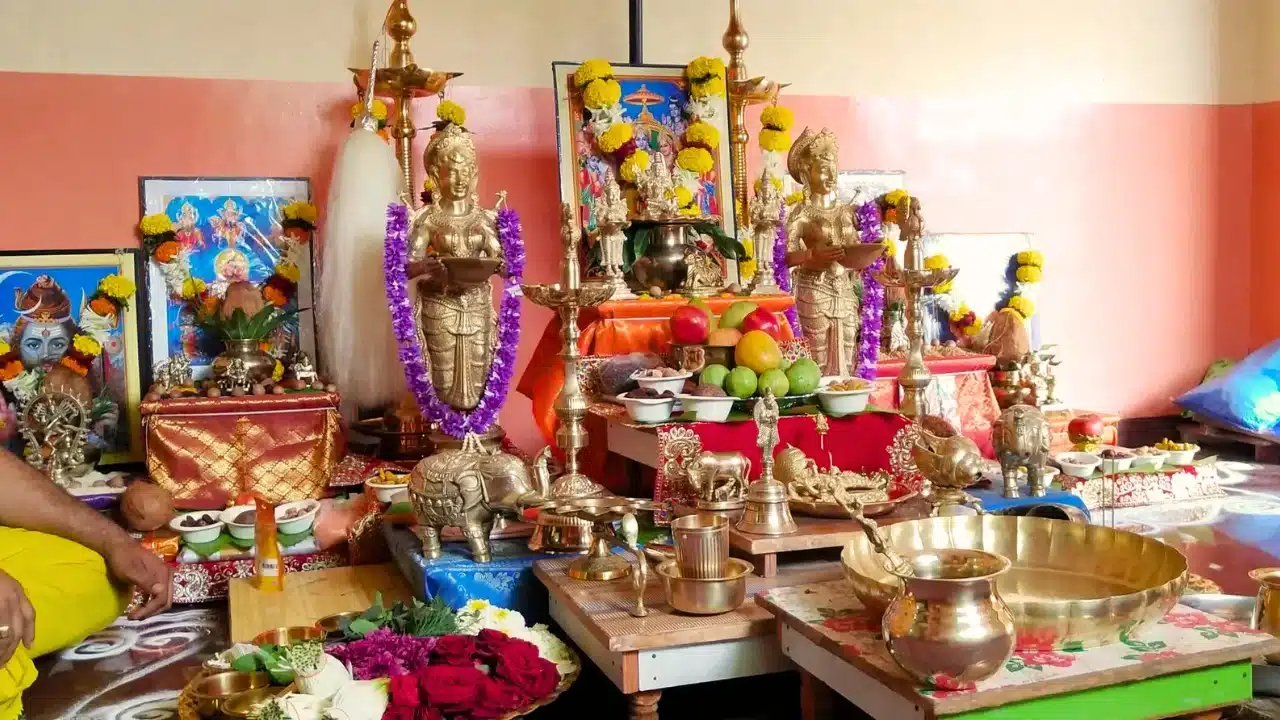
Narayan Nagbali Puja is a traditional Hindu ritual performed at Trimbakeshwar, Nashik, according to specific religious customs. The ceremony combines two distinct rituals, Narayan Bali and Nagbali, which are associated with ancestral rites and traditional beliefs concerning the act of harming or killing a snake.
Devotees visiting Trimbakeshwar may enquire about this three-day ceremony to understand its religious significance, the procedures involved, suitable dates and the arrangements required. If you are planning to perform Narayan Nagbali Puja, it is helpful to understand the traditional vidhi, expected costs, puja samagri and travel requirements before confirming your visit.
At Trimbakeshwar, you can enquire about Narayan Nagbali Puja arrangements and discuss your requirements with Pandit Ji before travelling to Trimbakeshwar, Nashik, Maharashtra.
Planning Narayan Nagbali Puja? Contact us to enquire about available dates, the three-day procedure, puja arrangements and the expected cost.
Contact UsWhat Is Narayan Nagbali Puja?
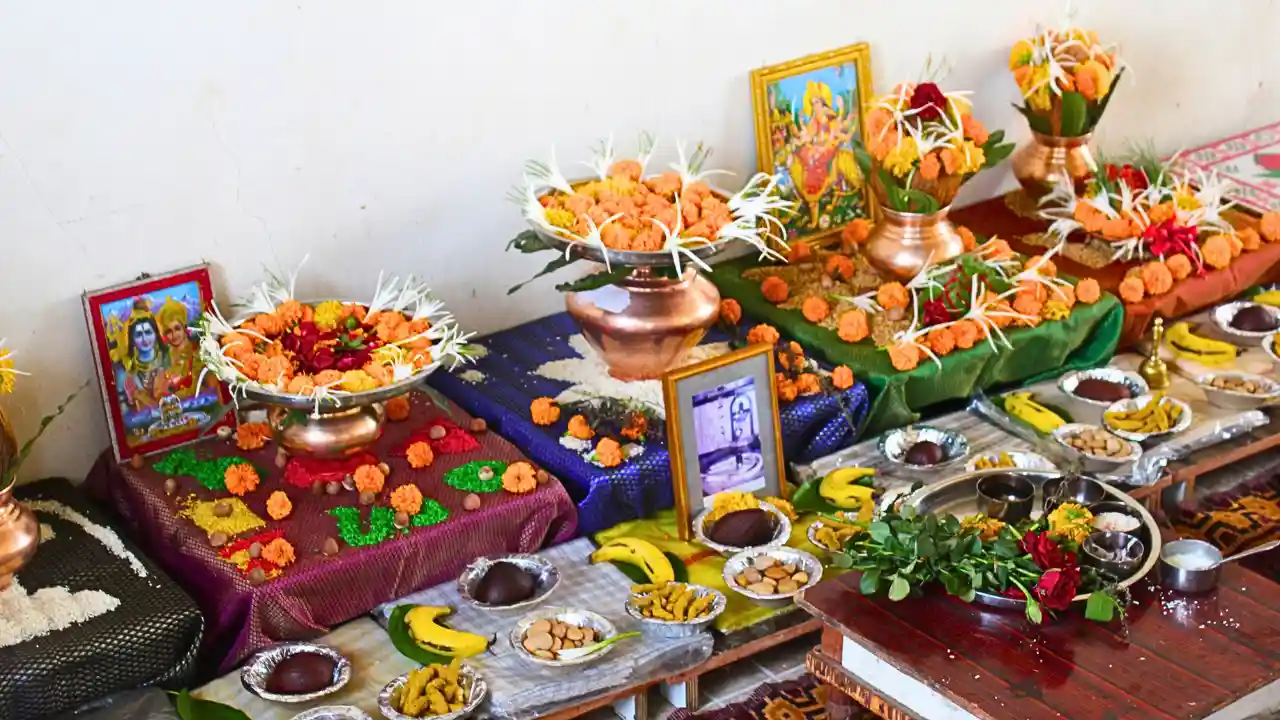
Narayan Nagbali Puja is a traditional Vedic ritual consisting of two ceremonies: Narayan Bali Puja and Nagbali Puja. Each has a different religious significance and is performed according to established ritual practices.
Narayan Bali Puja
Associated with rites for departed souls, particularly in traditional beliefs concerning unnatural or untimely death and the performance of ancestral rituals.
Nagbali Puja
Associated with seeking religious atonement for the killing of a snake, especially a cobra, which holds sacred significance in Hindu traditions. A symbolic representation is used during the ritual according to the prescribed procedure.
The combined ceremony is traditionally performed over three days at Trimbakeshwar. The exact sequence of rituals, offerings, prayers and preparations should be confirmed with the priest conducting the puja.
Many devotees associate this ceremony with Pitru Dosh Nivaran and ancestral peace. These associations belong to religious and astrological traditions; individual beliefs and family customs may differ.
Why Is Narayan Nagbali Puja Performed at Trimbakeshwar?
Trimbakeshwar, near Nashik in Maharashtra, is an important Hindu pilgrimage destination and is associated with one of the twelve Jyotirlingas of Lord Shiva. The town also holds religious significance in traditions connected with the Godavari River and ancestral rites.
Devotees travel to Trimbakeshwar to perform Narayan Nagbali Puja according to the local ritual traditions and the guidance of priests familiar with the ceremony.
The ritual is associated with particular places and established practices in Trimbakeshwar. Some traditional explanations distinguish Narayan Bali, which is performed at other pilgrimage locations as well, from Nagbali and the combined Narayan Nagbali ceremony. If the location is important to your decision, ask the Pandit Ji to explain where each part of the ritual will take place and why.
What Are Tamrapatradhari Purohits?
The term Tamrapatradhari Purohit is used for priests associated with traditional copper-plate records or documents relating to their religious lineage or rights. If a priest describes themselves as a Tamrapatradhari Purohit, devotees can ask about the relevant credentials and the role they have in conducting the ceremony.
Before making a booking, confirm who will perform the puja, where it will be conducted and what arrangements are included.
Types of Narayan Nagbali Puja
1. Narayan Bali Puja
Narayan Bali is a traditional ritual associated with rites for departed souls. In certain Hindu traditions, it may be performed when a person has died under unusual or unnatural circumstances or when specific ancestral rites are believed to require attention.
The ceremony may involve the preparation of a symbolic body, mantras, offerings and other prescribed rituals under the guidance of a priest.
Families may enquire about Narayan Bali when seeking guidance concerning ancestral observances. The appropriate ritual and its procedure should be discussed with a knowledgeable Pandit Ji in light of family customs and religious beliefs.
2. Nagbali Puja
Nagbali is traditionally associated with religious atonement for the killing of a snake, particularly a cobra. Hindu traditions regard certain snakes as sacred, and this ceremony follows specific symbolic and ritual practices.
During the ceremony, a symbolic representation of a snake is used in accordance with the prescribed vidhi. The priest explains the associated prayers, offerings and concluding rites.
Nagbali is traditionally linked with Trimbakeshwar's ritual practices. Confirm the location and arrangements for this part of the ceremony before travelling.
Are Narayan Bali and Nagbali the Same Ritual?
No. Although the two ceremonies are performed together as Narayan Nagbali Puja, their traditional purposes differ.
Narayan Bali is associated with rites for departed souls, whereas Nagbali is associated with religious atonement concerning the killing of a snake. The combined ceremony brings these two ritual traditions together.
The terms Pitru Dosh Puja and Narayan Nagbali Puja are sometimes used interchangeably in general discussions, but they do not necessarily refer to exactly the same ritual in every tradition. Ask the priest to clarify which ceremony is being recommended and why.
Narayan Bali Puja Mantra and Its Meaning
Narayan Bali Puja is a traditional Hindu ritual associated with rites for departed souls, particularly in religious traditions concerning unnatural or untimely death. The ceremony is performed according to prescribed Vedic rituals under the guidance of a knowledgeable Pandit Ji.
Traditional Sanskrit verse
“शस्त्रघातमृताये चा स्पर्शस्पृष्टवा तथैव च तत्तु दुर्मरणम ग्येयम यच्चजातं विधिंविना। अतःतस्य सुतै पौत्रे सपिंडैशुभमिच्छुभिः नारायणबलिं कार्यो लोकगर्धाभिया खग”
Meaning and significance
The verse is traditionally presented in connection with circumstances involving an unnatural or untimely death and the performance of Narayan Bali by family members or relatives. In Hindu religious practice, this ritual is associated with prescribed rites for the departed soul.
Narayan Bali is considered a Kaamya Karma in certain traditional explanations, meaning a religious act performed with a specific intention. The exact interpretation of the Sanskrit verse should be confirmed with a knowledgeable Sanskrit scholar or a reliable edition of the relevant religious text.
The mantra and associated rituals form part of the traditional religious understanding of Narayan Bali Puja. Devotees can ask the Pandit Ji to explain the verse, its context and the procedure followed during the ceremony.
Who Should Enquire About Narayan Nagbali Puja?
People enquire about Narayan Nagbali Puja for different religious and family reasons. In traditional Hindu practice, the ceremony may be considered in circumstances such as:
Unnatural or untimely death in the family
Some traditions prescribe particular rites when a person has died in an accident or under other unusual circumstances.
Pending ancestral observances
Families may seek advice when customary Shraddha or other ancestral rites have not been performed.
Concerns about Pitru Dosh
People who follow Hindu astrological traditions may enquire about ancestral rituals after receiving such guidance.
Family religious customs
Some families perform specific rites according to inherited practices or advice from a priest.
Seeking clarity about a traditional ritual
Devotees may simply wish to understand the ceremony, its meaning and whether it is relevant to their religious observances.
These circumstances do not establish that a person has Pitru Dosh or that a particular puja is necessary. Recurring difficulties with marriage, health, fertility, education, finances or business do not, by themselves, prove a supernatural cause. Make your decision after understanding the religious tradition and the procedure rather than out of fear or pressure.
Narayan Nagbali Puja Dates in 2026 - 27
The date for Narayan Nagbali Puja may depend on the Panchang, the ritual tradition being followed and the guidance of the priest conducting the ceremony. Devotees may ask about suitable Nakshatras, Tithis and periods such as Pitru Paksha.
How to Confirm an Auspicious Date
- Contact the Pandit Ji and explain which ceremony you want to perform.
- Share your preferred travel dates and ask about the available schedule.
- Confirm whether the proposed date is suitable according to the tradition followed for the puja.
- Ask about the three-day schedule, reporting time and any required preparations.
- Reconfirm the date before booking non-refundable travel or accommodation.
Importance of Narayan Nagbali Puja
Narayan Nagbali Puja holds significance in certain Hindu religious traditions because it brings together rites associated with departed souls and ritual atonement concerning the killing of a snake.
For devotees who follow these traditions, the ceremony may represent an opportunity to observe prescribed religious duties, make offerings and seek divine blessings. It can also be an occasion for families to participate in ancestral observances and reflect on their religious responsibilities.
The meaning of the ceremony is best understood through its traditional procedure and the explanations of a knowledgeable priest. The ritual should not be presented as a guaranteed way to change a person's destiny or resolve every family difficulty.
Why Is the Ceremony Performed Over Three Days?
Narayan Nagbali Puja is traditionally conducted over three days because the combined ritual involves multiple stages, prayers and offerings. Each day has its own prescribed activities, which the priest coordinates according to the tradition being followed.
The exact schedule and sequence should be confirmed with the priest before the visit. Devotees should allow enough time for the full ceremony and avoid making travel plans that depend on an unconfirmed completion time.
Narayan Nagbali Puja Vidhi: Three-Day Procedure
The following is a general overview of the traditional procedure. The actual rituals, locations, sequence and offerings may vary, so follow the instructions provided by the Pandit Ji conducting your ceremony.
Initial Rituals and Sankalpa
The first day generally begins with the prescribed preparations and religious observances. Depending on the arrangements, devotees may take a ritual bath at a designated sacred water body and wear suitable traditional clothing.
The priest then guides the devotees through the Sankalpa, which expresses the intention of performing the ceremony. The ritual may include Kalash Puja, worship of the prescribed deities, mantras, offerings, Havan and Pind Daan according to the tradition being followed.
The priest explains the purpose of each stage and guides the family through the required actions.
Ancestral Rites and Offerings
The second day continues with the prescribed ancestral rituals and associated worship. Depending on the ceremony, the procedure may include Shraddha-related rites, Pind offerings, prayers and other traditional observances.
The priest explains which offerings are required and whether any donations or additional arrangements form part of the ritual. Confirm in advance whether the required materials will be provided or whether the family needs to arrange them separately.
Nagbali Rituals and Completion
The third day generally includes the prescribed Nagbali-related worship and concluding religious observances. A symbolic representation of a snake is used according to the traditional procedure, along with the relevant prayers and offerings.
The ceremony concludes with the remaining rituals and blessings as directed by the priest. Before travelling, confirm the expected completion time and whether any additional family observances are planned.
What Should You Bring for the Puja?
The materials required depend on the ritual and the arrangements made with the priest. Before arrival, ask whether you need to bring any identification, clothing, personal items or other materials.
Do not purchase a large quantity of puja samagri without first checking what is required. Clarify which items are included in the booking and which, if any, you must arrange separately.
Traditional Benefits Associated with Narayan Nagbali Puja
Devotees who follow the relevant Hindu traditions may associate Narayan Nagbali Puja with the following religious intentions:
- Seeking peace for departed souls through prescribed ancestral rites.
- Observing family and religious traditions connected with Shraddha.
- Seeking divine blessings and spiritual reassurance.
- Performing traditional rites associated with beliefs concerning Pitru Dosh.
- Seeking religious atonement according to the customs associated with Nagbali.
- Participating in a meaningful spiritual observance with family members.
These are traditional religious beliefs and intentions, not guaranteed outcomes. The puja cannot be promised to cure illness, ensure childbirth, improve financial circumstances, secure career success or remove every difficulty from a person's life. For medical, fertility, financial or other practical concerns, seek appropriate professional advice alongside any personal religious observances.
How Much Does Narayan Nagbali Puja Cost at Trimbakeshwar?
The cost of Narayan Nagbali Puja depends on the priest, the arrangements, the materials included and the specific requirements of the ceremony. The following are indicative package ranges; confirm the current price and inclusions with Pandit Ji before booking.
| Package described | Indicative cost | Details to confirm |
|---|---|---|
| Basic | ₹6,000–₹8,000 | Core ritual, priest's dakshina and included samagri |
| Standard | ₹10,000–₹15,000 | Exact additional offerings and services |
| Premium | ₹17,000–₹25,000 | Full inclusions and any additional assistance |
These figures are not independently verified current prices and should not be treated as a confirmed quotation. The term "premium" also does not necessarily mean that a religious ceremony is more effective; it should describe only clearly defined additional services, if offered.
What Should the Puja Cost Include?
Before booking, request a clear breakdown covering:
- Pandit Ji's dakshina and the ceremony being performed.
- Puja samagri and any additional offerings.
- The number of days and the services included on each day.
- Any additional priests or assistance, if applicable.
- Separate expenses for accommodation, meals and transportation.
- Advance payment, balance payment and cancellation or rescheduling terms.
Ask for the final amount and inclusions in writing. This helps you compare arrangements fairly and reduces the risk of unexpected charges after you arrive.
How to Book Narayan Nagbali Puja in Trimbakeshwar
Planning ahead can make a three-day religious visit easier to manage.
- Make an enquiry. Share your preferred dates and ask about the ceremony and availability.
- Understand the procedure. Discuss the traditional vidhi, the three-day schedule, the places where the rituals will take place and the preparations required.
- Confirm the cost. Ask what the quoted amount includes and whether any additional expenses may apply.
- Arrange your travel. Once the date and schedule are confirmed, plan your transportation and accommodation.
- Keep the booking details. Save the priest's contact information, the agreed price, the meeting point and the confirmed schedule.
If you are travelling from another state or from outside India, allow enough time for the complete ceremony and communicate your travel plans in advance.
Frequently Asked Questions About Narayan Nagbali Puja
1. How much does Narayan Nagbali Puja cost at Trimbakeshwar?
The cost depends on the priest, puja samagri and the services included. The price ranges listed on this page are indicative figures, not verified current rates. Contact the service provider for a current quotation and a clear list of inclusions before booking.
2. How many days does Narayan Nagbali Puja take?
Narayan Nagbali Puja is traditionally performed over three days. The ceremony includes several stages associated with Narayan Bali and Nagbali. Confirm the reporting time, daily schedule and expected completion time with the priest before arranging your travel.
3. Can Narayan Nagbali Puja be performed if I cannot travel to Trimbakeshwar?
The combined ceremony is traditionally associated with the ritual practices of Trimbakeshwar. If you cannot travel, ask a knowledgeable priest whether there are other religious observances appropriate to your circumstances. Do not assume that a remote service is equivalent to performing the full traditional ceremony at the prescribed location.
4. Why is Trimbakeshwar associated with Narayan Nagbali Puja?
Trimbakeshwar is an important Hindu pilgrimage destination with established traditions connected with ancestral rites and the combined ceremony. The exact ritual locations and practices should be explained by the priest conducting the puja.
5. What is the best time to perform Narayan Nagbali Puja?
The suitable date depends on the Panchang and the tradition followed for the ceremony. Some devotees enquire about particular Nakshatras, Tithis and Pitru Paksha. Confirm the exact date and muhurat with the priest rather than relying on an unverified online calendar.
6. Is Narayan Nagbali Puja the same as Pitra Dosh Puja?
Not necessarily. Narayan Nagbali is a specific combined ritual consisting of Narayan Bali and Nagbali. Pitra Dosh Puja is a broader term used for rituals associated with beliefs about ancestral influences. The names may be used differently across traditions, so clarify the exact ceremony being offered.
7. Is Narayan Bali the same as Nagbali?
No. Narayan Bali is associated with rites for departed souls, while Nagbali is associated with religious atonement concerning the killing of a snake. The two are combined in Narayan Nagbali Puja according to the relevant tradition.
8. What should I bring for Narayan Nagbali Puja?
The requirements depend on the priest's arrangements and the ritual being performed. Ask whether traditional clothing, puja materials or personal items are required, and confirm which samagri is already included in the quoted cost.
9. Can family members participate in Narayan Nagbali Puja?
Participation requirements depend on the ritual tradition and the instructions of the priest. When enquiring, explain how many family members will attend and ask who needs to be present for the different stages of the ceremony.
10. Does Narayan Nagbali Puja guarantee relief from Pitru Dosh?
No particular spiritual or material outcome can be guaranteed. Some Hindu traditions associate the ceremony with ancestral rites and Pitru Dosh Nivaran, but these are matters of religious belief. Ask the priest to explain the ritual's traditional purpose before deciding whether to perform it.
Enquire About Narayan Nagbali Puja in Trimbakeshwar
If you are planning Narayan Nagbali Puja, understanding the procedure, suitable date, cost and required preparations can help you organise your visit with greater confidence.
TheTrimbakeshwar.in provides a way to enquire about the traditional ceremony and discuss the arrangements with Pandit Ji before travelling. Ask your questions, confirm the complete cost and understand the schedule before finalising your booking.
Contact us to enquire about Narayan Nagbali Puja in Trimbakeshwar, Nashik. Confirm the available dates, three-day vidhi, puja samagri, meeting arrangements and payment terms directly before making your travel plans.
Ready to plan your Narayan Nagbali Puja? Talk to Pandit Ji about dates, procedure and cost.
Contact UsFor Marathi information, visit our Marathi-language page. For Hindi information, visit our Hindi-language page.