
Rudrabhishek Puja in Trimbakeshwar
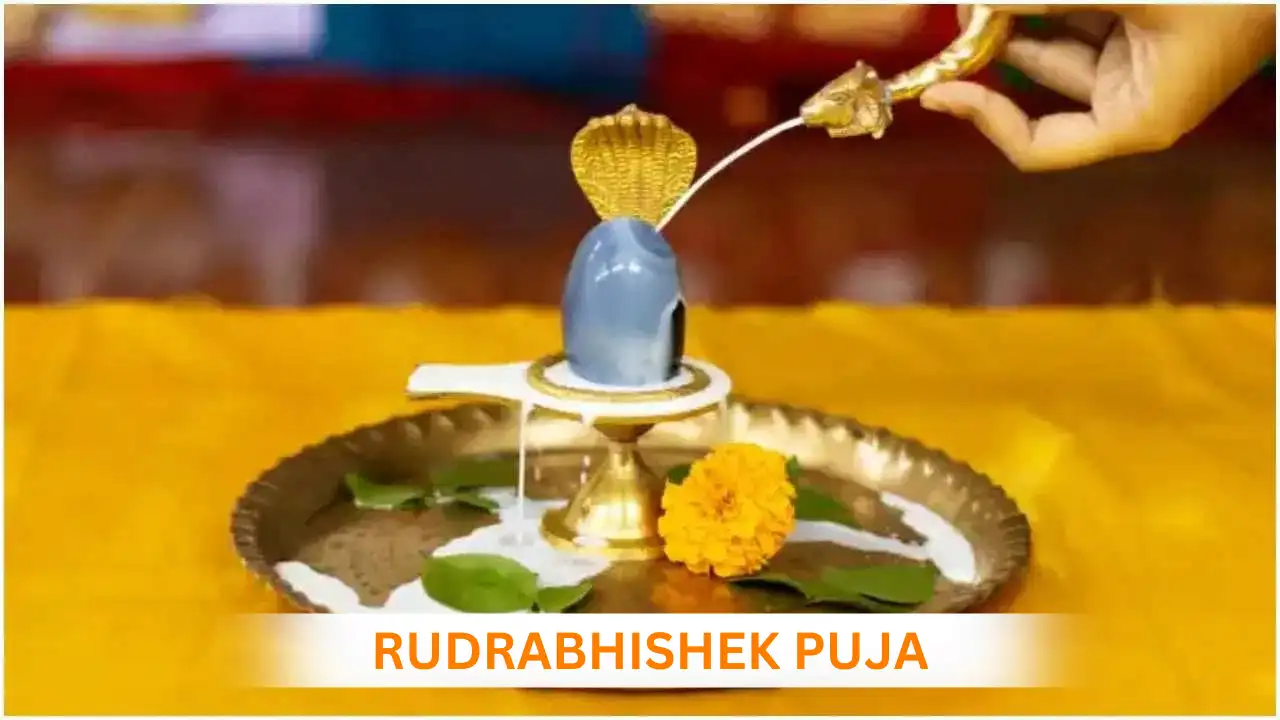
Rudrabhishek Puja is a traditional Hindu ritual dedicated to Lord Shiva. During the ceremony, the Shiva Lingam is bathed with sacred offerings such as water, milk, Gangajal and honey while the Pandit Ji recites Shiva mantras and prayers.
Devotees perform Rudrabhishek to express their devotion and seek blessings for peace, family well-being, prosperity and spiritual strength. Trimbakeshwar in Nashik, Maharashtra, is one of the twelve Jyotirlinga pilgrimage sites associated with Lord Shiva, making it an important destination for Shiva worship.
If you are planning to perform Rudrabhishek Puja in Trimbakeshwar, you can discuss the puja procedure, suitable date, required samagri, duration and cost with a Pandit Ji before confirming your arrangements.
Planning Rudrabhishek Puja in Trimbakeshwar? Enquire about the Vidhi, date, samagri, duration, cost and booking availability before you travel.
Book Rudrabhishek PujaWhat Is Rudrabhishek Puja?
Rudrabhishek is a form of Shiva worship in which sacred substances are offered to the Shiva Lingam while mantras are chanted. The ritual combines Abhishek, prayers and traditional offerings as an expression of devotion to Lord Shiva.
Depending on the type of ceremony, the offerings may include water, Gangajal, milk, honey, ghee, flowers and Bel Patra. The Pandit Ji guides the ritual according to the selected puja procedure and the devotee’s Sankalp.
Rudrabhishek can be performed by an individual or on behalf of a family member, following the customary arrangements made with the priest.
Why Do Devotees Perform Rudrabhishek?
In Hindu tradition, Rudrabhishek is associated with devotion to Lord Shiva and prayers for spiritual and personal well-being. Devotees may choose this ritual for several reasons, including:
- Seeking peace and spiritual strength.
- Praying for family harmony and well-being.
- Expressing gratitude and devotion to Lord Shiva.
- Seeking courage and a positive outlook during difficult times.
- Offering prayers for health and the well-being of loved ones.
- Observing an auspicious occasion or religious tradition.
- Performing a ritual recommended by a knowledgeable priest for a particular spiritual or astrological concern.
These are traditional religious beliefs, not guaranteed outcomes. Rudrabhishek is a spiritual practice and should not replace appropriate medical, financial or other professional advice.
Why Perform Rudrabhishek Puja in Trimbakeshwar?
Trimbakeshwar is an important pilgrimage destination in Maharashtra, known for the Trimbakeshwar Jyotirlinga Temple dedicated to Lord Shiva. Devotees visit this sacred town to offer prayers and participate in Shiva-related rituals.
Performing Rudrabhishek in Trimbakeshwar allows devotees to include the ceremony in their pilgrimage and worship under the guidance of a Pandit Ji familiar with the traditional procedure.
Before booking, discuss whether the puja will be performed at the temple or another permitted location. Confirm the arrangements, timing and any applicable temple rules in advance.
Rudrabhishek Puja Vidhi
The exact Rudrabhishek Puja Vidhi may differ according to the type of ceremony, the tradition followed by the Pandit Ji and the arrangements at the place of worship. A traditional ceremony may include the following steps.
Sankalp
The devotee takes a Sankalp, stating the purpose of the puja. The Pandit Ji may ask for the devotee’s name, Gotra and other details required for the ritual.
Invocation and Shiva Puja
The ceremony begins with prayers and the worship of Lord Shiva. The Pandit Ji performs the prescribed preliminary rituals before beginning the Abhishek.
Shiva Lingam Abhishek
The Shiva Lingam is ceremonially bathed with water and other traditional offerings, which may include milk, Gangajal, honey or other substances according to the selected puja.
Vedic Mantra Chanting
Shiva mantras are recited during the ceremony. Depending on the type of Rudrabhishek, the Pandit Ji may include Rudra-related Vedic chanting along with other prescribed prayers.
Offering of Bel Patra and Flowers
Bel Patra, flowers and other customary offerings are presented to Lord Shiva as part of the worship.
Aarti and Prayers
The ceremony concludes with Aarti and prayers. The Pandit Ji may explain any concluding rituals or customary practices to the devotees.
Please note: Ask the Pandit Ji which steps are included in your selected puja so you know what to expect before the ceremony begins.
Rudrabhishek Puja Samagri
The materials required for Rudrabhishek depend on the type of ritual being performed. Commonly used items include:
- Water and Gangajal.
- Milk.
- Honey.
- Ghee.
- Sugar or other prescribed offerings.
- Bel Patra.
- Flowers.
- Fruits and other traditional offerings, where required.
- Items needed for the Sankalp and concluding prayers.
Not every ceremony uses exactly the same materials. Before travelling to Trimbakeshwar, confirm whether the Pandit Ji will arrange the samagri or whether you need to bring any items yourself.
Who Can Perform Rudrabhishek Puja?
Devotees who wish to worship Lord Shiva can enquire about performing Rudrabhishek for themselves or their family. The ritual may be chosen for a religious occasion, a personal Sankalp or prayers for the well-being of loved ones.
If you are considering Rudrabhishek for an astrological concern, explain your reason to the Pandit Ji before booking. The priest can discuss the traditional procedure and whether any specific form of worship is customarily recommended.
You do not need to assume that a particular difficulty automatically indicates a dosh or that performing a puja will guarantee a specific result.
Best Time to Perform Rudrabhishek
Rudrabhishek can be performed on different dates throughout the year. Certain days and festivals are traditionally associated with Lord Shiva worship. Commonly preferred occasions include:
- Monday: Traditionally dedicated to Lord Shiva.
- Shravan Somvar: Mondays during the Hindu month of Shravan are especially important for Shiva devotees.
- Mahashivratri: A major festival dedicated to Lord Shiva.
- Pradosh: The Pradosh observance is associated with Shiva worship.
- Chaturdashi: Certain Chaturdashi observances are considered significant for Shiva devotees.
The appropriate date and time depend on the devotee’s preference, the Hindu calendar and the arrangements for the puja. Confirm the available timing with the Pandit Ji instead of assuming that every auspicious date has the same schedule.
Rudrabhishek During Mahashivratri
Mahashivratri is one of the most significant festivals dedicated to Lord Shiva. Many devotees observe fasting, offer prayers and participate in Shiva worship during this occasion.
Those planning Rudrabhishek in Trimbakeshwar around Mahashivratri should make arrangements early, as the town may receive a large number of pilgrims. Check the ceremony’s location, available time slots, permitted offerings and total cost before finalising your travel plans.
Rudrabhishek Mantra
A well-known mantra used in Shiva worship is:
ॐ नमः शिवाय
Transliteration: Om Namah Shivaya
Meaning: I bow to Lord Shiva.
The Pandit Ji may also recite Rudra-related Vedic mantras depending on the selected ceremony. If you wish to include a particular form of chanting, confirm this before booking.
Rudrabhishek Puja Cost in Trimbakeshwar
The cost of Rudrabhishek Puja in Trimbakeshwar varies according to the type of ceremony and the arrangements included. A single fixed price may not apply to every booking.
Factors that can affect the total cost include:
- Type and duration of Rudrabhishek.
- Number of Purohits involved.
- Required puja samagri.
- Mantra chanting or additional rituals included.
- Havan or other concluding ceremonies, if requested.
- Location and any applicable arrangements or charges.
For an accurate quote, share your preferred date and the type of puja you want to perform. Ask for a clear breakdown of the total cost, including the priest’s Dakshina, samagri and any additional charges.
How to Book Rudrabhishek Puja in Trimbakeshwar
Planning ahead can help you understand the ritual and avoid last-minute confusion. You can contact the Pandit Ji to discuss the ceremony and confirm the arrangements.
Details to Confirm Before Booking
- Preferred date and time.
- Type of Rudrabhishek.
- Number of devotees attending.
- Name and Gotra details required for the Sankalp.
- Puja duration and procedure.
- Availability of puja samagri.
- Number of Purohits.
- Total cost and any additional charges.
- Exact location of the ceremony.
Simple Booking Process
Contact the Pandit Ji
Send a WhatsApp message with your preferred date and basic requirements.
Discuss the Puja
Ask about the procedure, duration, samagri, available timings and any special arrangements you require.
Confirm the Cost and Date
Review the total charges and confirm what is included before finalising your booking.
Attend the Ceremony
Arrive at the confirmed location at the agreed time and follow the Pandit Ji’s instructions during the puja.
Frequently Asked Questions About Rudrabhishek Puja
1. What is Rudrabhishek Puja?
Rudrabhishek is a traditional Hindu ritual dedicated to Lord Shiva. During the ceremony, the Shiva Lingam is bathed with sacred offerings while Shiva mantras and prayers are recited.
2. What is the purpose of Rudrabhishek?
Devotees perform Rudrabhishek to express devotion to Lord Shiva and traditionally seek peace, spiritual strength, family well-being and blessings. The specific purpose can vary according to the devotee’s Sankalp.
3. How much does Rudrabhishek Puja cost in Trimbakeshwar?
The cost depends on the type and duration of the ceremony, the number of Purohits and the materials included. Contact the Pandit Ji for the current price and a clear explanation of the included services.
4. Which day is best for Rudrabhishek?
Monday, Shravan Somvar, Mahashivratri and Pradosh are traditionally important occasions for Shiva worship. You can also discuss other suitable dates with the Pandit Ji.
5. How long does Rudrabhishek Puja take?
The duration depends on the type of Rudrabhishek, the mantras recited and any additional rituals included. Confirm the expected duration with the Pandit Ji when booking.
6. What items are required for Rudrabhishek?
Common items include water, Gangajal, milk, honey, Bel Patra and flowers. The complete samagri list varies according to the ceremony, so confirm the requirements in advance.
7. Can Rudrabhishek be performed for a family member?
Yes. The Sankalp may be made on behalf of a family member according to the customary procedure. Share the relevant details with the Pandit Ji before the ceremony.
8. Is Rudrabhishek performed during Mahashivratri?
Yes, Rudrabhishek is associated with Shiva worship, and many devotees choose to perform it during Mahashivratri. Confirm availability and any special arrangements early because festival periods can be busy.
9. Do I need my Gotra for Rudrabhishek?
The Pandit Ji may ask for your Gotra and other personal details for the Sankalp. If you do not know your Gotra, ask the priest how to proceed according to the tradition being followed.
10. Can I book Rudrabhishek Puja online?
You can contact the Pandit Ji online to enquire about availability, cost and arrangements. Confirm the date, location, inclusions and booking terms before making any payment.
Plan Your Rudrabhishek Puja in Trimbakeshwar
If you wish to perform Rudrabhishek in Trimbakeshwar, discuss your preferred date, the type of ceremony and your requirements with the Pandit Ji before travelling. Confirm the total cost, puja materials, duration and location so you can plan your visit with clarity.
Contact the Pandit Ji to enquire about Rudrabhishek Puja and make arrangements for your Shiva worship.